At its heart, Squid Gameis a critique of capitalism and yet, Netflix can’t stop finding ways to squeeze money from it. After renewing the show for a second season and then debuting a reality show based on the series, Netflix opened a pop-up experience in Los Angeles where fans can pay to play games inspired by the show, eat Korean snacks and maybe even buy some costumes.
If you purchase general admission tickets (starting at $39), you are agreeing to participate as a contestant in a series of six games designed by Netflix inspired by the show's deadly challenges — from glass bridge, where players have to memorize which tiles light up, to a game of ‘Gganbu’, where you have to steal all of your opponent's marbles to win. Instead of dying, though, you're given a bracelet that buzzes when you lose a game — but you get to move on anyway and play all six games.
As you move from room to room or game to game, you’re competing against other players in the game for a title to win. In a bit of a gimmick, Netflix says that if a guest passes all six challenges within the 70-minute experience window, it will give interested patrons priority casting consideration for a spot on the reality TV offshoot of the show, which was recently renewed for a second season. For now, the experience is only available in Los Angeles and is running for a limited time through the new year. Netflix hinted that ‘Squid Game: The Trials’ will later come to another city.
Samsung
In building this in-person pop-up space, Netflix partnered with Samsung – of course, one of Korea’s premier hometown companies. For example, during Red Light, Green Light, the Galaxy S23 Ultra positioned in the game room captures key moments of gameplay with Hyperlapse video and still images. Samsung TVs and Galaxy mobile devices will be dotted throughout individual games and participants will have to navigate “experiential zones” that are surrounded by Samsung TV screens, including the flagship Neo QLED 8K, the 4K and The Frame.
Once a player is done with the games, general admission grants you access to a ‘Korean Night Market’ where you can purchase street food and soju-infused cocktails. You can also buy the signature green tracksuit worn by contestants (a Halloween costume for next year, maybe, if Squid Game costumes are still cool then?). There are also arcade-style and mini-games inspired by the show available for play.
Netflix
More broadly, Netflix has been exploring ways to break free from its identity as a streaming-only service and has explored expanding into new categories outside its main service. From expanding its footprint in the gaming space (including VR) to launching brick-and-mortar branded retail stores and even dining space next year, Netflix seems determined to try to make some money selling goods and experiences inspired by its media library. The new Squid Game immersive live experience won't be the streaming company’s first bet on pop-up experiences either. It has already experimented with the format with other hit shows like Stranger Things and Bridgerton, where it invited fans to dress in ball gowns and try to win the Queen’s attention for the title of the ‘season's diamond.’
This article originally appeared on Engadget at https://www.engadget.com/netflix-keeps-milking-squid-game-this-time-with-an-in-person-experience-starting-at-39-192303172.html?src=rss
It's hardly a secret that Samsung reveals its latest slate of Galaxy smartphones at the beginning of each year. With only a few weeks to go until the first Unpacked of 2024 is expected to take place, the rumor mill is ramping up and credible leaks are starting to shed some light on what the Korean manufacturer most likely has up its sleeve.
Along with a countdown indicating that the next Unpacked will take place on January 17, leaker Evan Blass shared a spec sheet that purports to break down the components of the Galaxy S24 lineup. There are no prizes for guessing that Samsung likely has three Galaxy devices in store: the regular model, an S24+ and an S24 Ultra. All three are slated to run on Qualcomm’s Snapdragon 8 Gen 3, at least in the US, Canada and China (folks elsewhere might have to make do with the company's own Exynos 2400, as The Vergenotes).
The standard Galaxy S24 is slated to have a 6.2-inch AMOLED 2x FHD display along with a 50MP main camera that can shoot video at up to 8K. The leak suggests Samsung will offer Space Zoom of up to 30x and dual telephoto zoom of up to 3x in the Galaxy S24. The device is likely to have 8GB of RAM and internal storage options of 128GB and 256GB. You may be able to charge the 4,000mAh battery to 50 percent capacity in 30 minutes.
Per this leaked spec sheet, the S24+ is likely to have the same camera system as the base model. The key upgrade will come in the form of the display, which seems to be a 6.7-inch AMOLED 2x QHD+ panel. There will probably be a larger 4,900mAh battery as well, with the spec sheet indicating you'll be able to charge this to 65 percent of its capacity in half an hour. The S24+ will likely have more RAM as well at 12GB, with internal storage options of 256GB and 512GB.
Unlike the other two models, which are slated to have an Armor Aluminum 2.0 casing, the S24 Ultra may have a titanium body. Although it's likely to have the same RAM and storage options as the S24+, the Ultra will probably have a vastly superior camera system. It will have a 200MP main lens, per the spec sheet, with up to 10x quad telephoto and 100x Space Zoom. The AMOLED 2x QHD+ display is likely to measure 6.8 inches, while the battery should be slightly larger than one in the S24+ at 5,000mAh.
The displays on all three models are expected to have up to a whopping 2,600 nits of brightness, so you shouldn't have to struggle to make out what's on your screen while the sun's out. Expect IP68 water resistance on all three models, while the S24 Ultra is likely the only one of the three that will boast a built-in S Pen.
As for the designs, what we can see of them in the spec sheet indicates they'll largely be the same as the S23 lineup. However, previous reports suggested that the S24 Ultra has a fully flat screen.
Based on the leaks so far, the Samsung S24 lineup isn't likely to have any terribly exciting upgrades in terms of the designs and pure specs. However, Samsung is widely expected to integrate its Gauss generative AI system into the S24 lineup. It may be the case that GAI processes will be handled entirely on-device rather than requiring access to the cloud (the new Snapdragon chipset will help on that front).
This article originally appeared on Engadget at https://www.engadget.com/samsung-galaxy-s24-leak-breaks-down-what-the-lineup-likely-has-to-offer-141214873.html?src=rss
A “Compliance Car” is a vehicle designed not to be sold in large quantities but to satisfy rules around range-wide consumption. For instance, makers of enormous, gas-belching trucks may have to offer a thrifty, gas-sipping ride to balance out the emissions numbers. One infamous example is Aston Martin’s Cygnet, a rebadged Toyota iQ with a luxury interior that sold for three times the iQ’s price. Now, imagine a company chose to make one of those vehicles intentionally. That’s the best way to describe Lexus’ new LBX, a small but luxurious, Europe-exclusive city car that you’ll love sitting in while waiting in traffic.
The LBX is a subcompact car based on the same underlying platform (GA-B) as Toyota’s Yaris Cross, its tiny crossover SUV. The Yaris Cross is a city runaround pretending to be an SUV, complete with flared wheel arches, high ride height and optional All Wheel Drive. Lexus is keen to point out that this isn’t a rebadge, and that the luxury automaker has refined every facet of its design. The wheelbase is longer and wider, the powertrain smaller and faster, with luxury kit everywhere you look. You can call this many things, but it’s not a lazy cash-grab, especially given how much of the early chatteraround this car talked about it diluting Lexus’ brand.
Photo by Daniel Cooper / Engadget
Inside, you’ll find a 1.5 liter, three-cylinder VVT-iE engine with a bi-polar Nickel Metal Hydride (NiMH) battery. That composition offers higher power density and faster response with a smaller footprint than Toyota’s own-brand hybrids, with a lighter weight which is key in such a small car. The combined total output is a restrained 136 DIN hp, which is fitting for a car designed to sit in traffic. But Lexus piqued my interest in this car by claiming that its new hybrid system offered “powerful acceleration like that of a battery electric vehicle.” Given the stately manner in which most small hybrids move, I was curious to put that claim to the test.
If you’re only accelerating to get off the line when the lights change, then you’ll find plenty to like here. It’s too much of a stretch to compare it to an EV but if you’re looking for a performant city car, it’s no slouch. It thrives in the cities, where its small-ish size, speed and driveability let you dart around corners and dive into tight spaces. But this power doesn’t run too far beyond the lights, and putting your foot down on the highway exposes this engine. No amount of sound dampening tech — and there’s a lot of it in this car — can mask the LBX’s anguished screams when you try to accelerate or put the power down going up hills.
Photo by Daniel Cooper / Engadget
Up front, it’s roomy with a comfortable driving position, while the rear bench seat is higher to offer the passengers a better view. I’m 5’ 11” and had enough headroom, but I doubt anyone taller than me would fancy riding in here for long. There’s not a huge amount of rear legroom either, so you wouldn’t want to do a long trip in one of these.
The Lexus LBX is a lot of car, too much for the role in your life that it’s intended to play, with a lot of frou-frou. Given this is a car designed for short journeys, I’m not sure it needs to have as much technology on board as it actually does. The model I tested had a digital instrument binnacle, a big central console and a heads-up display. Plus, flappy paddles so you can control your braking level and three USB-C ports in the central console. Oh, and a suite of safety tools that were so sensitive it’d erupt in a chorus of pings and bongs if I so much as glanced at the accelerator before the way in front of me was clear.
Photo by Daniel Cooper / Engadget
Lexus says the LBX is targeted at “younger, city-smart Europeans” rather than the company’s traditional, older base. The marketing is full of youths in red vinyl overcoats and Vitaly jewelry but I’m not sure that’s the demographic who’ll be interested. I’m not sure too many young, city smart Europeans could afford a car like this, or even know how to drive in the first place. Some of the recent stats have been skewed by COVID but the general trend of young people learning to drive has pointed down for a while. The company’s representatives did mention they thought another potential demographic would be empty nesters looking to downsize.
And then there’s the price, with the base model costing £29,995 (around $37,700) on the road in the UK while the fully-specced model is £40,545 (around $50,870). Nobody needs to be told if that’s a lot or not, especially given the various ways people buy new cars these days. But Lexus, knowing that it’s not going to undercut similarly high-spec city cars in the space, say that while the up-front price is higher, it’ll save drivers plenty with its fuel economy. I’m not sure how many people buy a luxury car because they’re keeping their eye on the dollars and cents.
Photo by Daniel Cooper / Engadget
Fundamentally, as much as I like the LBX, I’m unable to square its inherent contradictions as they pile up on top of one another. There are very few faults that I can pick at which are tied to just this vehicle, rather than the quirks inherent in the company’s range. But I just can’t see a world in which people would line up to buy a car that’s this over-equipped and over-specced given the environment in which it thrives.
This article originally appeared on Engadget at https://www.engadget.com/lexus-lbx-is-the-luxury-city-car-you-never-knew-you-didnt-need-230153698.html?src=rss
Welcome back to our weekly gaming news roundup. As the year comes to a close, we’re looking back on 12 months of massive change for the video game industry, driven by acquisitions, layoffs and unionization. You can read my story on consolidation for more on gaming's tough year.
This week’s stories
No Game Pass for Baldur's Gate 3
Baldur’s Gate 3 is officially the Game of the Year and after months as a PlayStation console exclusive, it’s finally available on Xbox. However, if you’re waiting for it to become available on Game Pass, stop. Baldur’s Gate 3 is never coming to Xbox or PC Game Pass, according to Larian Studios founder Swen Vincke. It’s a fantastic, big and lengthy game sold at a standard price of $70 — take it or leave it.
The Last of Us Online is dead
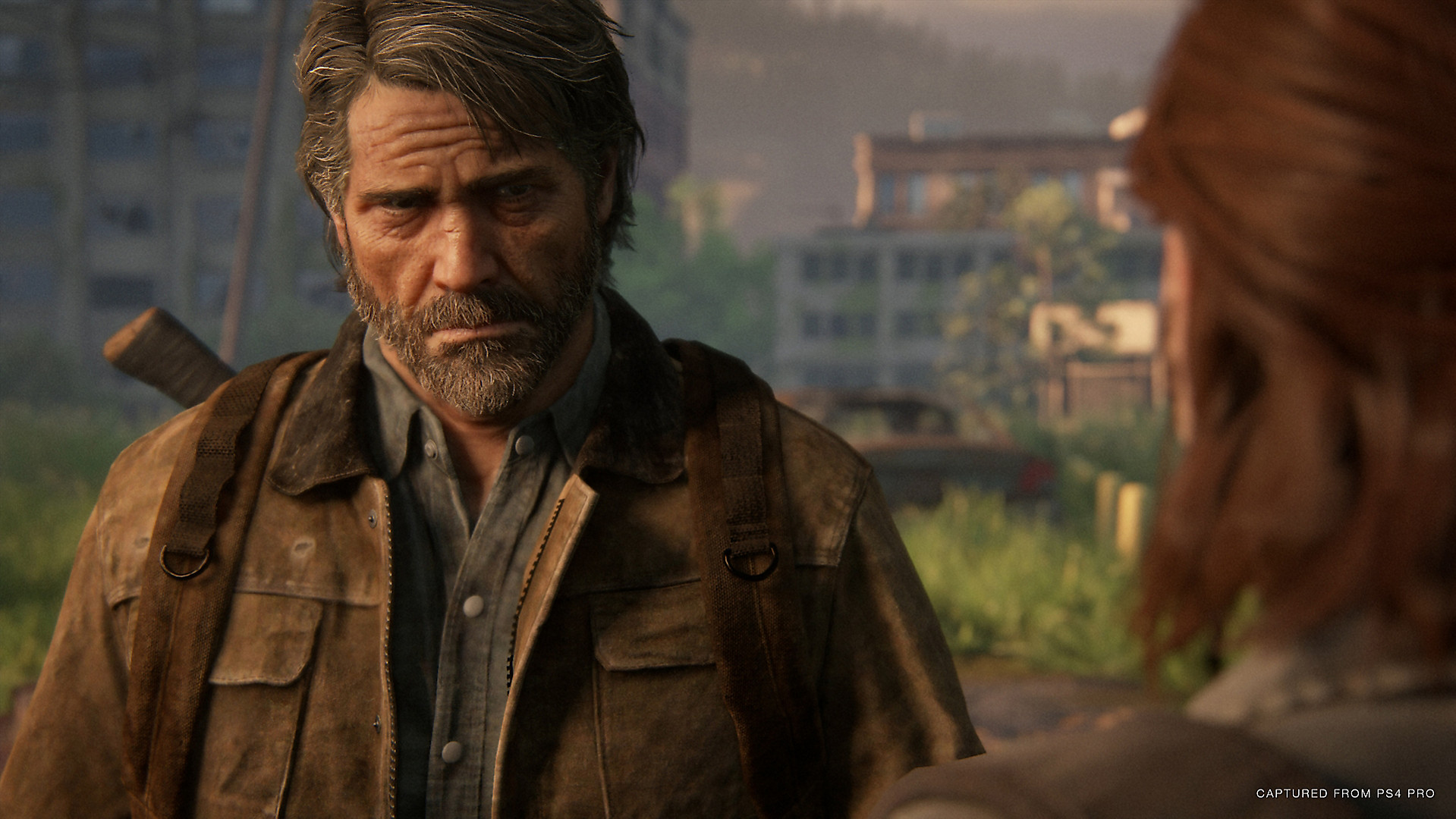
Naughty Dog has canceled The Last of Us Online, its multiplayer spinoff that’s been in the works for years. This isn’t too surprising, considering the lack of updates about the game, but it is now official. Naughty Dog said it didn’t have the resources to support a live-service game and also create new single-player narrative experiences, which are historically its thing. The studio has more than one of these games in development right now.
2023 was a pivotal year in games
2023 was a year of upheaval in video games. There were three main factors molding the industry: consolidation, layoffs and unionization.
In terms of consolidation, the biggest story of the year was the approval of Microsoft’s purchase of Activision Blizzard King for $69 billion. Microsoft is now the third-largest video game business in the world by revenue, right behind Sony and Tencent. Today, the Xbox umbrella covers nearly 40 studios, including Arkane, Bethesda, id Software, Infinity Ward, Mojang, Ninja Theory, Playground Games, 343 industries, and Turn 10.
Sony is more subtle than Microsoft about its attempts at total domination, but it owns 21 development teams, including Bungie, Guerrilla Games, Haven Studios, Insomniac, Naughty Dog and Sucker Punch Productions. It’s made a lot of purchases in the past three years, and invested heavily in studios like Epic Games and FromSoftware.
And then there’s Tencent, which has thousands of tentacles spread across the industry. Tencent owns a portion of Bloober Team, Paradox Interactive, PlatinumGames, Remedy, Roblox and Ubisoft, among others. It has a majority stake in Supercell, Tequila Works, Techland and others. It fully owns Riot Games, Funcom and, of course, others. It also runs multiple internal development companies and publishing labels.
Tencent also owns a 40 percent stake in Epic Games. This alone means any time you buy a game built on Unreal Engine, Tencent is getting a cut. If you played something this year, Tencent was probably involved.
There are clear short-term benefits of being bought by a larger company, but there are downsides to relinquishing independence. Acquired studios are held accountable by people outside of the actual development of a game, and the bigger the company, the further away its bosses are from the creative process.
The most extreme negative outcomes for an acquired indie studio are, of course, layoffs and closures. We saw a lot of these in 2023.
An estimated 9,000 people lost their jobs in the video game industry this year, up from about 1,000 in 2022. This is a crisis level of loss, and it was spurred by over-eager acquisition sprees by the companies at the top. Embracer Group, which owns more than 100 video game studios, laid off more than 900 people and it completely shut down multiple studios.
Unity laid off about 900 people this year. In November, the company reported a yearly revenue increase of 69 percent and executives told investors, “We continued to manage costs well.”
Epic Games fired about 830 people in 2023, including a chunk of the team at Fall Guys studio Mediatonic, which it purchased in 2021. EA dropped more than 1,000 employees this year, including significant cuts at Codemasters, a studio it purchased in 2021. CD Projekt RED, Sega, Ubisoft, and Microsoft’s 343 Industries also laid off at least 100 people each.
Looking back on the carnage this year, it feels like a warning — as consolidation efforts increase, more studios will be controlled by just a handful of companies, and they’ll be vulnerable to moves like mass layoffs and closures. We’re laying the foundation for the future of video games right now, and consolidation only makes the industry smaller and more generic. What will rampant consolidation mean for all of these acquired studios in five years’ time? What will it mean when these teams aren’t shiny, new investments any longer, and the people at the top are ready to get lean again?
Unionization is one approach that can help protect the livelihoods of people in the video game industry, and there was progress on this front in 2023. Developers at multiple studios now have union support, from small indies to AAA powerhouses. Microsoft is currently the home of the industry’s largest union, with representation for more than 300 quality assurance workers at ZeniMax Media.
Other companies with unions established in the past two years include Avalanche Studios, Anemone Hug, CD Projekt RED, Experis Game Solutions, Keywords Studios, Sega of America, Tender Claws and Workinman Interactive. We love to see it — and for the industry to remain stable, we need to see more of it.
Now playing
I’ve been unable to get The Talos Principle II out of my head since I previewed it and interviewed the developers a few months ago, and I’m finally, happily playing the game in its totality. I’m playing on a Steam Deck OLED, and I'm having a great time solving laser puzzles and talking about the meaning of life with a bunch of robots. I highly recommend you try the same.
This article originally appeared on Engadget at https://www.engadget.com/2023-was-a-year-of-layoffs-and-acquisitions-this-weeks-gaming-news-163028348.html?src=rss
Researchers have developed an AI-powered robot they claim can beat the physical marble game Labyrinth faster than humans are capable of. Thomas Bi and Raffaello D’Andrea of ETH Zurich created CyberRunner, which combines model-based reinforcement with the dexterity required to beat a game that requires physical skill, coordination and precision.
For the uninitiated, the aim of the game is to guide a marble through a maze without falling into any holes. The player controls the movement of the ball by rotating two dials, which tilt the board.
CyberRunner learns through experience. A camera observes the game and an algorithm learns more about it from each attempt. "Based on its understanding of the game it recognizes which strategies and behaviors are more promising," the researchers say. As such, the robot kept getting better at the game.
The researchers gave CyberRunner and several humans around six hours of practice with the game. While the humans by and large struggled to beat Labyrinth after that time, CyberRunner was able to conquer it in just under 14.5 seconds. The researchers claim that's faster than any previously recorded time.
CyberRunner became so adept at the game that it was able to use some unintended shortcuts. The researchers had to step in and instruct the AI to follow the maze's correct path.
We've seen AI models outperform humans in other games, such as chess, Go and Dota 2. However, we haven't seen too many instances of AI performing better than humans in games that require a physical skill component.
This article originally appeared on Engadget at https://www.engadget.com/watch-an-ai-robot-learn-how-to-demolish-humans-at-a-marble-maze-game-161554199.html?src=rss
Creating stickers from photos is an easily overlooked iPhone feature tucked into iOS 17. Using Apple’s machine learning algorithms that quickly separate a subject from its background, it extracts pictures of you, your friends or pets (or anything else it detects as the picture’s subject), transforming them into digital decals. It even makes animated stickers from Live Photos to slap onto iMessage chats or Markup tools. Here’s how to create your own.
What are iPhone stickers?
In Apple’s ecosystem, stickers are digital versions of their real-world counterparts. They debuted in iOS 10, Apple’s 2016 iPhone operating system, allowing users to place cut-outs of fun images onto iMessage bubbles for more personalized reactions.
Apple
Creating iPhone stickers from photos is new to iOS 17, and so is their location. In older versions of iOS, you had to navigate the iMessage App Store (in the Messages app) and app drawer to find them. In the new software’s more streamlined approach, you only have to tap the plus icon next to a message, choose Stickers and pick the one you want. (More on that below.)
How to create stickers from photos in iOS 17
Here’s how to make custom stickers from your photos on Apple’s latest iPhone software:
In the Photos app on your iPhone, choose a picture you want to transform into an iPhone sticker. Tap on the photo to open it in a full-screen view.
Touch and hold your finger on the photo’s subject. For example, if it’s a picture of your dog making a derpy face, hold your finger down on the pup until you see an animated effect highlighting the subject. (If it doesn’t work on the first try, do it again.)
In the popup menu that appears above the subject, choose “Add Sticker.” If you don’t see that text, tap on the arrow (>) at the right end of the options box until you find it. After tapping “Add Sticker,” the decal will appear below in the same drawer you’ll see in the Messages app.
Optionally, hold your finger down on it in the stickers drawer and choose “Add Effect” from the menu. You can give it a standard outline, add a comic style, transform it into a puffy sticker or make it shiny.
Tap the X button or swipe down to close the Stickers menu at the bottom of the screen.
How to create stickers from Live Photos in iOS 17
Apple’s Live Photo adds (roughly) three-second video clips captured before and after pressing the shutter button. If you took your source picture as a Live Photo, you can turn it into an animated iPhone sticker through the following steps:
Open the iOS Photos app, and tap on the Live Photo you want to turn into an animated sticker. It should now take up your phone’s entire screen.
Hold your finger down on the photo’s subject. Wait until you see an animated ripple effect protruding and highlighting the subject. (Try again if it doesn’t catch the first time.)
In the menu above the subject, choose “Add Sticker.” If you don’t see that option, tap the right arrow at the end of the menu. After tapping “Add Sticker,” you’ll see the subject appear in a drawer below with your custom stickers.
You should see a pop-up menu above the sticker. If you don’t, hold your finger down on the sticker in the list. Choose “Add Effect.” A new screen with effects options will appear.
In addition to sticker effect options, you’ll see “Off” on the upper left. Tap that until it changes to “Live.” You now have an animated sticker.
Press the X button or swipe down to close the sticker drawer.
How to use custom stickers in iMessage
Apple
Here’s how to use your new photo sticker in the Messages app:
In Messages, open a chat thread.
Press the + button to the left of the text box.
Choose “Stickers.”
If you don’t see your custom sticker in the “recently used” menu below, tap the sticker icon (between the 9:00 clock and smiley face icons, above the stickers but below the text box) to find it.
If you want to place the sticker in a reply, tap the one you want. Or, if you’re going to include it as a reaction on top of a chat bubble, hold your finger down on the sticker and drag it onto the message to which you want to react.
How to use custom stickers in Markup
You can also add stickers to photos, screenshots, PDFs, email attachments and other documents:
Open an image or file you want to add a sticker to. It could be through the Photos app, Files, Mail, Notes or any other app that supports Markup edits.
If you’re in Photos, tap “Edit,” then choose the Markup icon (upward-facing pen on the upper right). If you’re in Files or another app where you already see the icon, skip the “Edit” step and only tap the pen symbol.
Once you’ve opened the Markup menu, tap the + sign at the far right of the bottom toolbar (next to the color palette and pencil).
Tap “Add Sticker.”
Choose the custom sticker you just made.
It should appear with a blue bounding box atop the original photo or document. Drag the corners to resize, or slide your finger across the screen to move it.
Tap outside the bounding box to place the sticker.
This article originally appeared on Engadget at https://www.engadget.com/how-to-create-stickers-on-the-iphone-with-your-photos-on-ios-17-133039376.html?src=rss
Galaxy Z Flip 5 and Z Fold 5 owners can now fix their phones through Samsung's self-repair service. The do-it-yourself program is expanding so that more Galaxy products, including foldables and tablets, are included in the iFixit collaboration.
Samsung said it will add seven more products this month to its list of devices that are eligible for self-repair – from PCs, smartphones and tablets — including the Galaxy S23 series, Tab S9 series and the Galaxy Book2 Pro series. The program provides users with original equipment manufacturer (OEM) device parts and step-by-step guides that allow for things like screen or battery replacements. The price of fix kits will vary depending on the device. For example, a Samsung Galaxy S22 Ultra Screen and Battery set costs $240.
Samsung’s self-repair program, which first launched in the US last year, will also be offered to customers in an additional 30 countries across Europe. The company says expanding the scope of what’s covered by the program is in line with Samsung’s overall strategy to alleviate e-waste.
This article originally appeared on Engadget at https://www.engadget.com/samsung-adds-foldables-to-its-self-repair-program-for-the-first-time-171120939.html?src=rss
This was a year of upheaval in video games. The industry has shapeshifted over the past 12 months, and it’s not all due to Microsoft’s lengthy acquisition of Activision, Blizzard and King. While Xbox executives were defending the legality of a $69 billion deal that would create the third-largest video game studio in the world, smaller companies were firing staff and shutting down entire teams, even amid fervent collective-bargaining efforts. It’s been a wild ride.
In 2023, the main factors molding the video game landscape were consolidation, layoffs and unionization, with each of these phenomena feeding into each other. This past year, the video game industry shrank, even as it grew financially.
Consolidation
When its purchase of Activision-Blizzard-King was legally approved on October 12, 2023, Microsoft became the world’s third-largest video game studio by revenue. As the owner of the Xbox ecosystem, Microsoft was already a massive player in video games, but purchasing a tentpole AAA studio solidified its position in the top three. Activision and Blizzard are the owners of Call of Duty, Diablo, Overwatch, World of Warcraft and Starcraft, but the real meat of this deal comes from King, the mobile division. King operates Candy Crush Saga, a game with 238 million monthly active users, which is more than twice as many as Activision Blizzard’s combined player bases. Candy Crush Saga has generated more than $20 billion in lifetime revenue, and King routinely outperforms Activision and Blizzard in terms of quarterly returns. Mobile gaming remains a huge business, especially in the Chinese market, which represents the largest and most lucrative audience in video games.
Though the $69 billion Activision deal was the biggest in Microsoft’s history — beating its purchase of LinkedIn for $26 billion in 2016 — it wasn’t the company’s first video game acquisition. Microsoft owns nearly 40 developers and it bought a chunk of those in the past five years. The Xbox umbrella covers 343 industries, Arkane Studios, Bethesda, Compulsion Games, Double Fine Productions, id Software, Infinity Ward, Mojang Studios, Ninja Theory, Playground Games, Tango Gameworks and Turn 10, among dozens more.
Charley Gallay via Getty Images
With these studios at its back, Microsoft is leaning hard into cloud gaming while attempting to build a device-agnostic ecosystem powered by the Xbox brand. These moves are designed to unlock the mobile market even more, putting Xbox games on all devices, everywhere, all the time.
Still, Sony is bigger than Microsoft by revenue. Though Microsoft is often the face of the game-studio acquisition spree, Sony is the owner of 21 development teams, including Bungie, Guerrilla Games, Haven Studios, Housemarque, Insomniac Games, Media Molecule, Naughty Dog and Sucker Punch Productions. Sony has been subtlyexpandingitsroster — more subtly than Microsoft, at least — over the past three years, and it’s also made heavy investments in studios like Epic Games and FromSoftware.
With this lineup, Sony is betting heavily on ongoing games, and it has 12 live-service titles in production right now, on top of Bungie’s Destiny franchise. These include Haven’sFairgame$ and a multiplayer Horizon title from Guerilla.
“By expanding to PC and mobile, and… also to live services, we have the opportunity to move from a situation of being present in a very narrow segment of the overall gaming software market, to being present pretty much everywhere," Sony Interactive Entertainment president and CEO Jim Ryan said in 2022.
For the companies at the top, total domination is the goal.
Even still, Tencent is bigger than both Sony and Microsoft. Tencent is not a console manufacturer, so it isn’t a household name among most players, but it’s one of the largest companies in the world, and it wields a ridiculous amount of financial power in video games. Tencent owns a portion of Bloober Team, Bohemia Interactive, Don’t Nod, Epic, Paradox Interactive, PlatinumGames, Remedy Entertainment, Roblox and Ubisoft, among others. It has a majority stake in Supercell, Grinding Gear Games, Klei Entertainment, Tequila Works, Techland, Yager Development and others. It fully owns Riot Games, Funcom, Sharkmob, Turtle Rock Studios, and, of course, others. It also runs multiple internal development companies, including the Level Infinite and Tencent Games publishing labels.
Xinhua News Agency via Getty Images
Sure, Sony has a stake in Epic, but Tencent’s is bigger. This investment alone means any time you buy a game built on Epic’s Unreal Engine, Tencent (and Sony) is getting a cut. Tencent is the biggest investor in games, with thousands of tendrils across the industry — if you played something this year, Tencent was probably involved.
On a smaller scale, companies like Netflix and Devolver Digital have also dipped their toes in the acquisition pond recently. Devolver started buying studios in 2020, and it now owns Croteam, Dodge Roll, Doinksoft, Firefly Studios, Nerial and System Era Softworks. Annapurna Interactive bought South African studio 24 Bit Games in November. Netflix launched its Games division in 2021, and it’s already purchased four studios, including Oxenfree developer Night School and Alphabear company Spry Fox.
Night School co-founder Sean Krankel told Engadget in June that the move to Netflix was a boon for the studio, providing financial security, a dedicated working space and plenty of marketing support for its projects.
“A small subset of teams are good to go for the next 10 years, but others have these peaks and valleys, and we were somewhere in between,” Krankel said. “We weren't in danger of anything going sideways. But we were at a spot where we're like, it would be cool to tether to somebody who has a similar vision, and somebody that we could work with that would like, de-risk us.”
Netflix
This is the short-term benefit of being bought by a larger company, but there are downsides to relinquishing independence. Having a corporate overseer can result in rigid production timelines, hindering a studio’s ability to pivot, and despite all of the promises otherwise, developers may be forced to adhere to a specific tone, vibe or game-development structure. Owned studios are held accountable by people outside of the actual development of a game, and the bigger the company, the further away its bosses are from the creative process.
The most extreme negative outcomes for an acquired indie studio are, of course, layoffs and closures. We saw a lot of these in 2023.
Layoffs
The post-acquisition power dynamic is playing out in public and in real-time. It’s estimated that more than 9,000 people in video games were laid off this year and the firings affected teams of all sizes. This is a crisis amount of cuts. In 2022, just 1,000 video game jobs were lost, according to layoffstracker.com.
The Embracer Group provides the clearest example of rampant, surprise layoffs in 2023. Embracer has spent the past few years acquiring prominent midsize studios, including Gearbox Software (Borderlands), Crystal Dynamics (Tomb Raider), Eidos-Montreal (Deus Ex) and Square Enix Montreal (Deus Ex Go). In the past decade, Embracer grew its portfolio to cover more than 100 game studios, including Volition (Saints Row), Coffee Stain (Goat Simulator), Free Radical Design (TimeSplitters) and Zen Studios (Pinball FX). The holding company also secured the rights to The Lord of the Rings in 2022, promising to turn it into “one of the biggest gaming franchises in the world.”
Volition
In June 2023, Embracer announced a six-year, $2 billion funding deal had fallen through, and it was going to restructure — meaning, layoffs and studio closures. Since this announcement, Embracer has shut down Volition, Free Radical Design and Campfire Cabal, it divested Goose Byte and it’s fired developers at Saber Interactive. More than 900 people lost their jobs during these moves. Meanwhile, Embracer’s share price rose by 11 points in November.
This wasn’t the only layoff round of the year. Unity lowered its headcount three times in 2023, affecting about 900 jobs. In its quarterly financial results in November, Unity reported a yearly revenue increase of 69 percent and it told investors, “We continued to manage costs well.”
Sony cut 100 jobs at Bungie, a company it bought for $3.6 billion in 2022. According to developers that are still there, Sony executives are attempting to use this upheaval to wrest more control of the studio from Bungie founders and leaders.
Epic Games fired roughly 830 people this year, or 16 percent of its staff. This included significant job cuts at Mediatonic, the studio behind Fall Guys that Epic purchased in 2021.
Mediatonic
“For a while now, we've been spending way more money than we earn,” CEO Tim Sweeney wrote about the layoffs. He continued, “I had long been optimistic that we could power through this transition without layoffs, but in retrospect I see that this was unrealistic.”
Electronic Arts was one of the first video game companies to institute significant layoffs this year, with a reduction of 6 percent of its workforce, or about 800 employees, in March. EA later cut jobs at Dirt and F1 studio Codemasters, which it purchased in 2021 for $1.2 billion. EA culled an estimated 1,130 jobs in 2023.
CD Projekt RED and Sega each laid off about 100 people in the past 12 months, while Ubisoft fired an estimated 255 employees. Microsoft cut 10,000 jobs across its businesses early in the year, and that included about 100 people at Halo studio 343 industries.
343 industries
These are just some of the biggest names in layoffs in 2023. Looking back on the carnage, it feels like a warning — as consolidation efforts increase, more game studios will be controlled by just a handful of companies, and they’ll be vulnerable to moves like mass layoffs and closures. We’re laying the foundation for the future of video games right now and consolidation only makes the industry smaller and more generic, as accountants, investors and shareholders push for low-risk concepts, rather than innovation and change.
What will rampant consolidation mean for all of these acquired studios in five years’ time? What will it mean when these teams aren’t shiny, new investments any longer, and the people at the top are ready to get lean again? Remember that many of the shuttered studios listed above were purchased within the past three years.
Being acquired is a cost-benefit analysis for smaller studios, where the benefits are immediate and the costs are potential. It’s easy to say that won’t happen to us. But it can happen, and it does, and as consolidation increases, bulk layoffs are only going to occur more often.
Unions
Unionization is one approach that can help protect the livelihoods of people in the video game industry, and there was progress on this front in 2023. Developers at multiple studios now have union support, from small indies to AAA powerhouses.
Microsoft is currently the home of the industry’s largest union, with representation for more than 300 quality assurance workers at ZeniMax Media. ZeniMax is the parent company of Bethesda, id Software and Arkane, and Microsoft purchased the whole caboodle for $7.5 billion in 2021. Microsoft formally recognized the ZeniMax union this January and the parties started negotiating in April. In December, Microsoft announced it would hire 77 contract workers as full-time employees under the ZeniMax Workers United-CWA union. The deal guaranteed a pay raise, paid holidays and sick leave, and a copy of Starfield, the game they helped ship.
Bethesda Softworks
“We are now stronger at the bargaining table and are working to secure a fair contract for all workers — direct employees and contractors," ZeniMax union member Chris Lusco said. "We are all a part of ZeniMax Studio’s success and we all deserve our fair share. We hope to set a new precedent for workers across Microsoft and the entire gaming industry so that all workers, regardless of their employment status, are able to improve their working conditions through collective bargaining."
Meanwhile, executives at Microsoft’s newest acquisition, Activision Blizzard, spent the past few years stalling internal unionization efforts. However, QA employees at Raven Software, a subsidiary of Activision, successfully voted to unionize in May 2022. Microsoft has vowed to respect organization attempts now that Activision-Blizzard-King is under its control.
Other companies with unions established in the past two years include Avalanche Studios, Anemone Hug, CD Projekt RED, Experis Game Solutions, Keywords Studios, Sega of America, Tender Claws and Workinman Interactive.
This article originally appeared on Engadget at https://www.engadget.com/video-games-in-2023-acquisitions-layoffs-unions-143037174.html?src=rss
The data includes internal HR documents, screenshots of employees' Slack conversations, and more, but the main focus is the yet-to-be-released Wolverine video game. The released files contain details about level design, characters and actual screenshots from the game. There's also a signed publishing agreement between Sony and Marvel that lays out three upcoming X-Men games, the first being Wolverine, with the other two still unnamed. However, it details that Sony — which plans to spend $120 million per game — must release Wolverine by September 1, 2025, with the others due by the end of 2029 and 2033, respectively.
Rhysida claims that it took the group only 20 to 25 minutes to get the domain administrator and that money was their sole motivation. "We knew that developers making games like this would be an easy target," a Rhysida spokesperson told Cyber Daily. "Sony has launched an investigation, but it would be better in the backyard."
Notably, Rhysida's initial ransom notice allowed anyone to bid on the data, not just Insomniac Games, and it appears some of it was bought. The ransomware group stated that any unsold data was released — but only 98 percent of stolen information is publicly available. Rhysida stipulated that any data purchased must not be resold, but who knows if the new owners will follow that rule.
Rhysida only targeted Insomniac Games within Sony, but in May, a separate attack gained access to 6,800 current and former employees' personal data. The attack, which ransomware group CLOP took credit for, became public knowledge in October.
This article originally appeared on Engadget at https://www.engadget.com/insomniac-games-hackers-leak-13-million-files-after-demanding-2-million-ransom-102134429.html?src=rss
Acura has opened reservations for its first fully electric vehicle (EV). Starting today, you can order the Acura ZDX at around $60,000 for a baseline model with a single-motor (rear-wheel-drive) powertrain. The first deliveries of the “performance SUV” are expected in early 2024.
The automaker said earlier this year it would shift to online-only sales of Acura EVs starting in 2024, and ZDX preorders appear to reflect that. The company said the EV is available through “a new, omni-channel digital sales process,” which buyers can use themselves at home, or receive assistance in using at Acura dealers (although the EVs won't be available at the dealership itself.)
The ZDX comes in two models. The standard ($60,000 and up) A-Spec variant ships with a 325-mile range, 340 horsepower, a rear-wheel-drive single motor and 20-inch wheels. Meanwhile, the all-wheel-drive ZDX Type S has a shorter 288-mile range but a more potent 500 horsepower, 22-inch wheels and a starting price of around $70,000. Parent company Honda describes the pricier Type S as “the most powerful and best performing Acura SUV ever.”
Acura
The EV has Android Auto, built-in Google apps and Apple CarPlay integration. It includes an 11-inch driver-side touchscreen, an 11.3-inch center display and a Bang & Olufsen audio system, which is standard. Its safety features include a rear pedestrian alert and blind zone steering assist. It even has hands-free cruise driver assistance.
The ZDX supports DC Fast Charging (and can add 81 miles through a 10-minute top-off). In addition, Honda has teamed with six other automakers on a project to build a network of 30,000 stations across North America. That initiative is expected to begin in the US by the summer of 2024.
Acura
You can order your ZDX in either model in Acura’s online reservations portal. Honda notes pre-orders will include a bonus Acura Energy Key Card, which can unlock “exclusive benefits,” including “discounts to Acura entertainment partners and special events.”
This article originally appeared on Engadget at https://www.engadget.com/you-can-reserve-acuras-zdx-ev-starting-today-180050726.html?src=rss