Posts with «maker faire» label

The New “Arduino Create” Makes for Easier IoT Dev, Better Collaboration

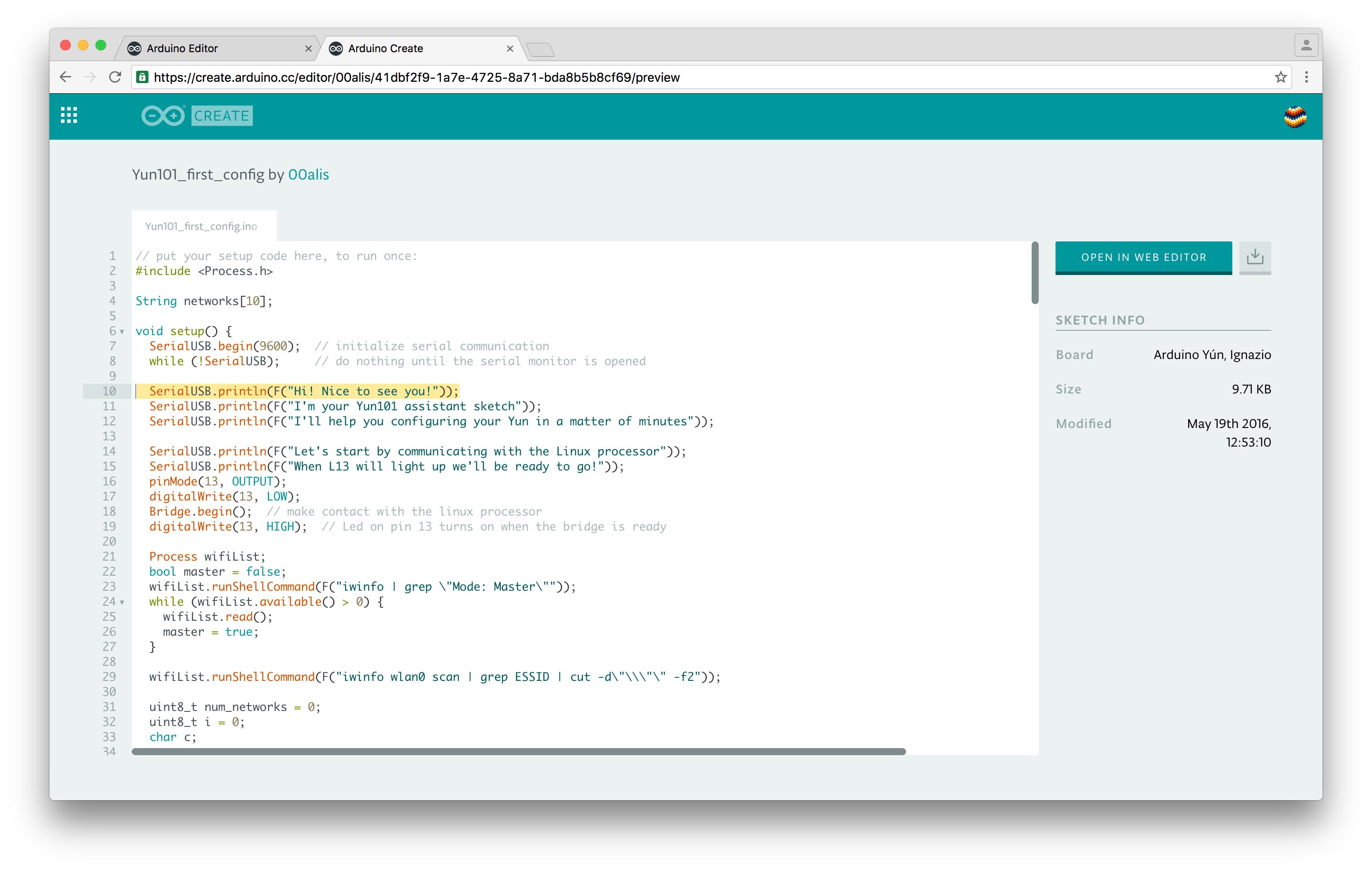
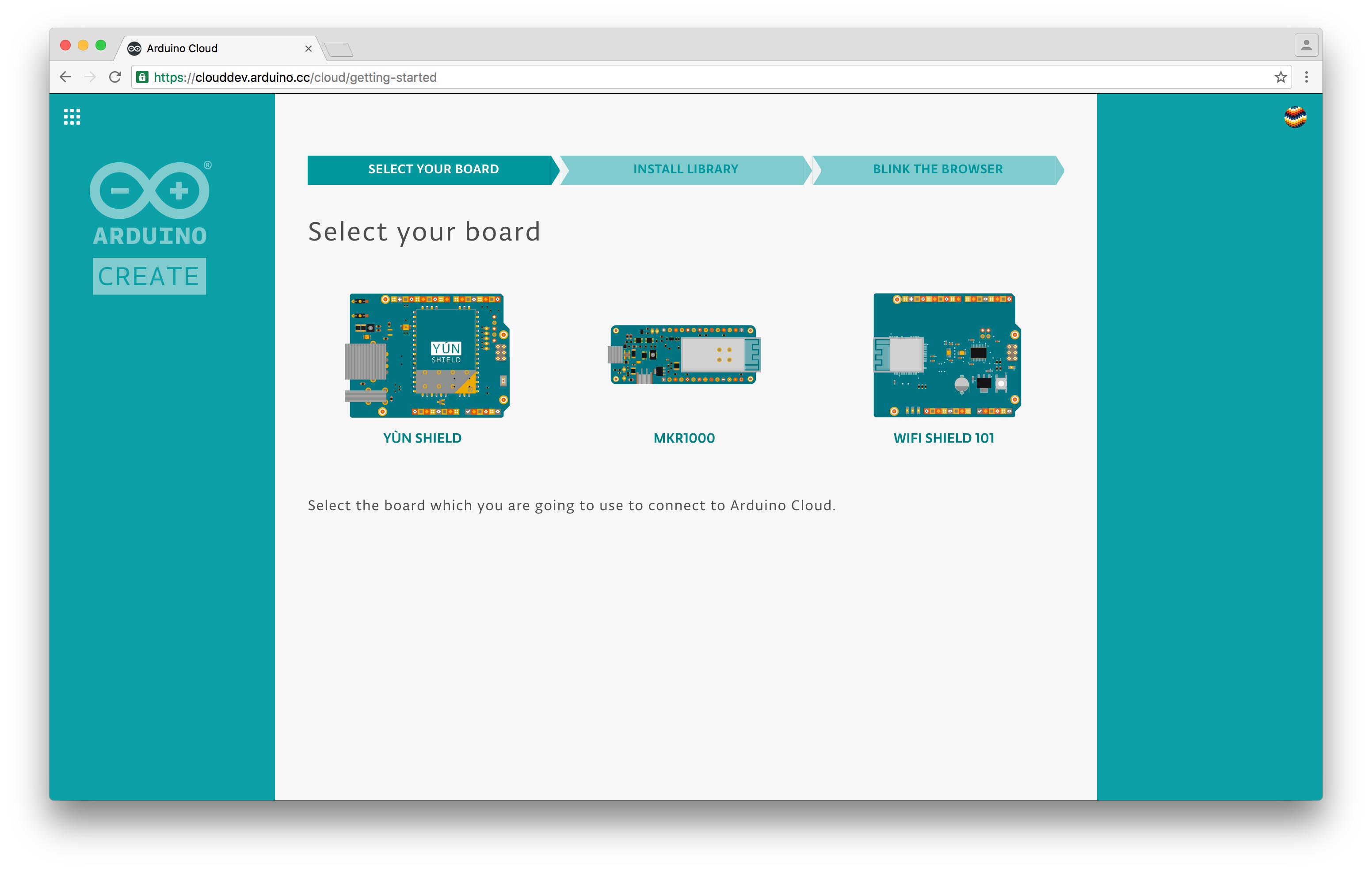
Arduino Create, which came out of beta today, is a web-based development platform for Arduino that allows you to write, share, and collaborate on sketches.

Read more on MAKE

The post The New “Arduino Create” Makes for Easier IoT Dev, Better Collaboration appeared first on Make: DIY Projects and Ideas for Makers.

Arduino Create is a one stop shop for Makers

More than 10 years ago, we set out to simplify electronics with easy-to-use, open-source hardware. 10 years later, we’re looking to do the same for Internet of Things development with Arduino Create — an integrated online platform that enables Makers to write code, access content, configure boards, and share projects.

Traditionally speaking, going from an idea to a fully-functional IoT device has been a tedious process even for the most advanced engineers and developers. Until now, they would have to frequently switch back and forth between various tools and screens, from IDEs to cloud services. That’s why Arduino has set out to launch a one stop shop for the Maker experience, which will change the way you create, collaborate and communicate with your projects and the rapidly growing community.

Whereas many companies deliver IDEs, some offer clouds and others curate DIY projects, Arduino Create converges all of that under one roof for an entirely fragmented-free user experience. Designed to provide Makers with a continuous workflow, the new platform connects the dots between every part of a Maker’s journey from inspiration to installation. Ideally, you will now have the ability to manage every aspect of your project right from a single dashboard.

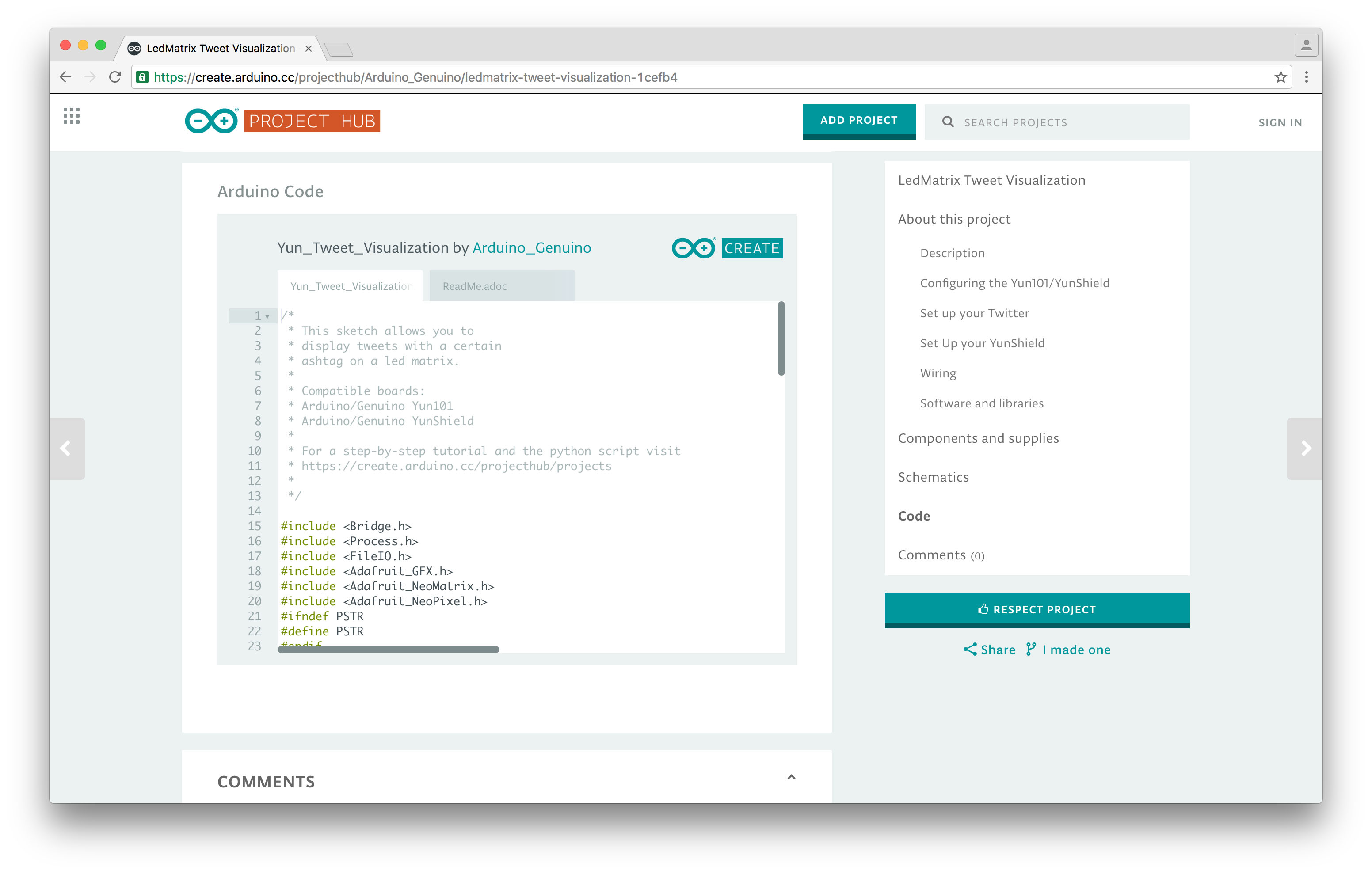
With Arduino Create, you can tap into the power of the community on the Arduino Project Hub by browsing a collection of projects and then making them your own. You can share your creations, along with step-by-step guides, schematics, references, and receive feedback from others.

Despite your skill level, Arduino Create features in-depth guided flows to help easily configure online services like the Web Editor and Cloud. There’ll even be an additional learning component via Arduino’s popular Creative Technologies in the Classroom (CTC) educational program in the near future that will spark collaboration between teachers and their students.

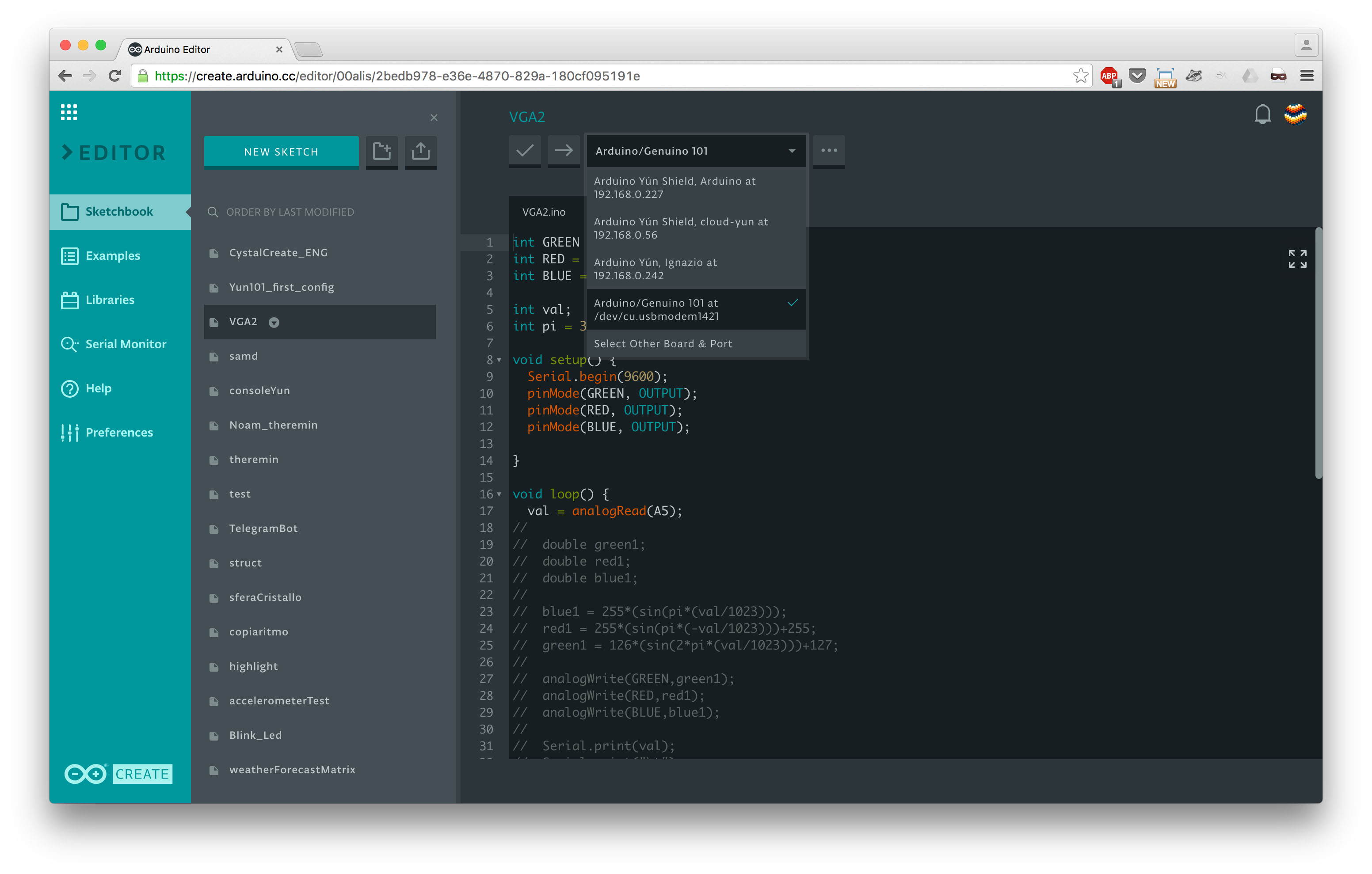
The Arduino Web Editor allows you to write code and upload sketches to any Arduino or Genuino board after installing a simple plug-in — your Sketchbook will be stored in the cloud and accessible from any device. You can even import your Sketchbook via a .zip file! What’s more, sharing a sketch is now as easy as sharing a link.
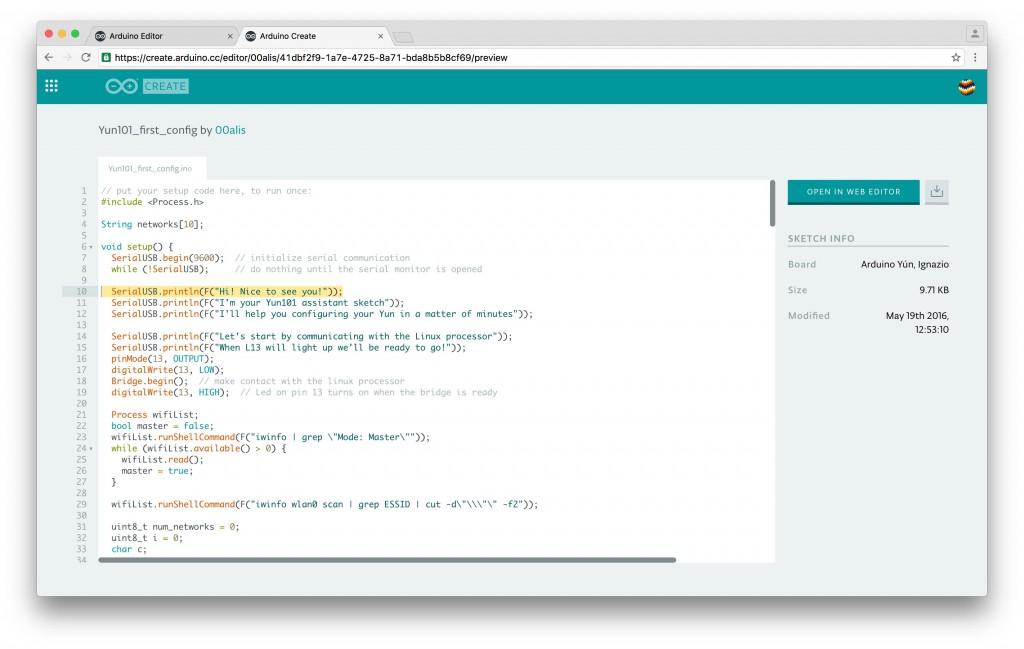


For Maker Faire Bay Area we are bumping up the number of beta testers for the Arduino Web Editor: the most active contributors will receive 10 invites each! If you’d like to contribute to the development as well, you can sign up on the waiting list to join more than a thousand testers.

It should also be noted that Arduino has partnered with Amazon Web Services to power the new Arduino Create ecosystem. “By adopting AWS IoT and AWS Lambda for our IoT Cloud infrastructure, we provide Arduino Cloud and Arduino Web Editor users with a secure, reliable, and highly scalable environment that will enable Makers to connect their projects to the Internet and manage them through the Cloud,” says Arduino co-founder Massimo Banzi.

Interested in learning more? Maker Faire goers can hear all about it from Massimo himself on Saturday, May 21 at 12:30pm in his annual “State of Arduino” address.

The Arduino GRANDE is six times larger than an Uno

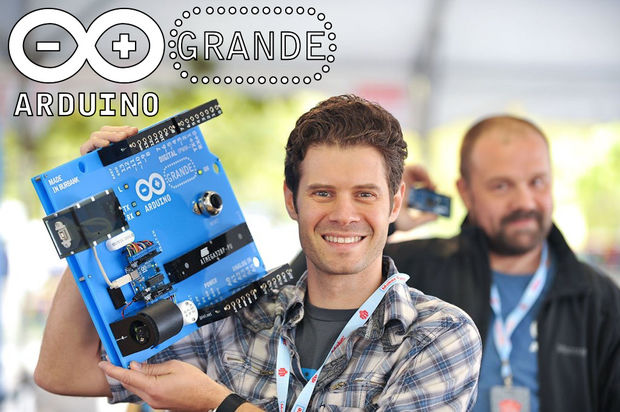
While countless Makers love Arduino, none may love the boards as much as our friend John Edgar Park. In the spirit of Maker Faire Bay Area, we decided to take another look at what is surely the largest one we’ve ever come across. Introducing the “Arduino GRANDE.”

I love Arduino! But the boards are so tiny that they can be difficult to hug. And not so easy to see, either, if you’re a student sitting at the back of a classroom. So why not solve both problems by building a really huge, fully-functioning Arduino that’s six times larger than real life?


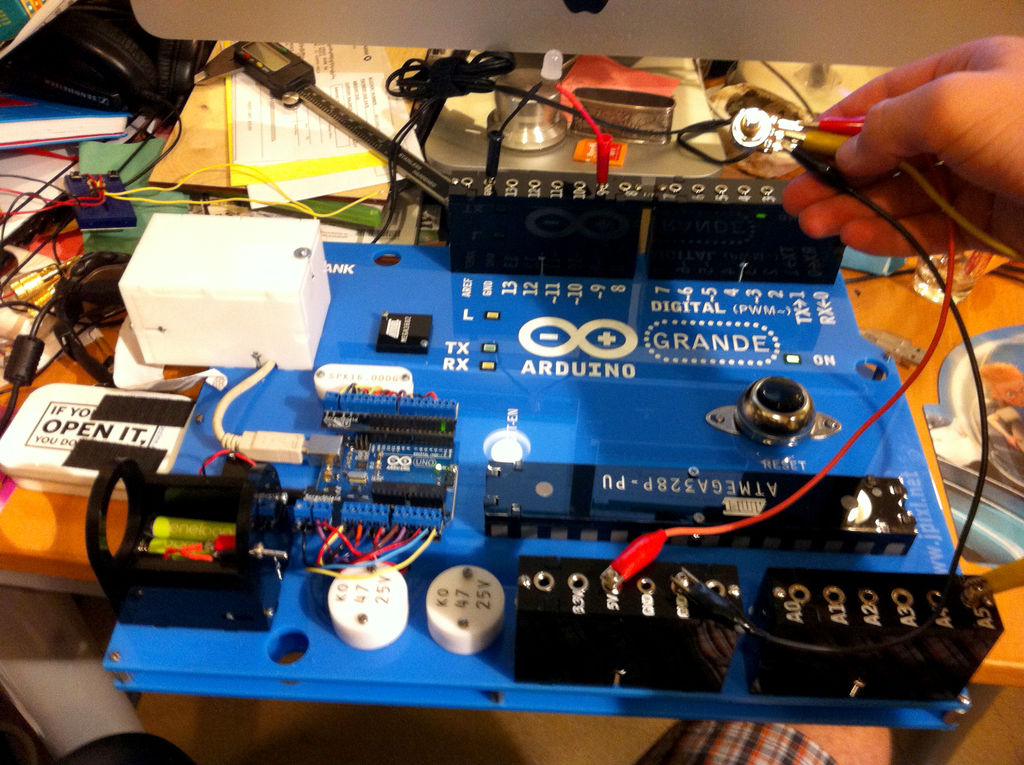
Bringing this fully-functional device to life required 3D modeling software, laser-cut acrylic, a few LEDs and buttons, some wiring and connectors, and a tiny (in comparison at least) Arduino Uno for a brain. After making its original debut several years ago, Park has now published a how-to tutorial of his project.

The first step I took in building this was to build a 3D model in Rhino. I based it on the Arduino Uno dimensions, and then started creating the parts based upon my real-world materials and scale. (Since I’m using an Epilog Zing 16 laser cutter with a bed size of 16″ x 12″, my maximum dimensions were dictated for me. So, this is actually a 5.6x larger-than-real-life Arduino.)

The chip is just for show, but the power jack will eventually hide the batteries, and the USB port will be made functional by the addition of a panel mount USB jack.

Insert the banana jacks into the female header blocks and then thread the nuts on to hold them in place. A dab of Loctite will prevent them from loosening up later.

On each banana jack, solder a length of wire sufficient to route through the board to the real Arduino. Push the wires through to the underside of the board at the header location, then insert and assemble the header blocks with screws and nuts which will be held captive in the acrylic t-slots.

The reset button (originally sold as a doorbell) needs to have two long lengths of wire soldered to it, which are then fed through the board to route to the real Arduino. The same goes for the panel mount rectangular LEDs.

Attach a real Arduino Uno to the board, and then run all of the header, reset, and LED wiring to it, and plug in the USB cable. You can use a ScrewShield to prevent wires from falling out. Full disclosure, I’m one of the creators of the ScrewShield and will make a little bit of money if you buy one.

Hide a 4xAAA battery pack inside the [cardboard] barrel plug, and then run it through a switch to GND and Vin on the Uno to power the Arduino GRANDE.

You can now upload a test sketch and try things out! I wired banana plugs to resistors, 10mm LEDs, potentiometers, speakers, buzzers, servo motors, and other typical components to plug into the GRANDE.

As for what the GRANDE’s applications, the possibilities are endless! It can be used as an an interactive, educational tool for Arduino classes, carried around like a boombox playing chiptunes, or even expanded upon with GRANDE scale shields! You can check out the entire project on Instructables.
Arduino is headed to Maker Faire Bay Area!

Maker Faire is a three-day, family-friendly event that has been celebrating the DIY Movement for the last 10 years. The ‘Greatest Show & Tell on Earth’ is designed for creative, innovative people of all ages and backgrounds, who like to tinker and love to make things.

In just a few days, the Arduino team will be in attendance for the 11th annual Maker Faire Bay Area as a Goldsmith Sponsor. Those heading to the San Mateo on May 20th-22nd will want to swing by our booth (#2321) and join us for some inspiring talks, especially the highly-anticipated State of Arduino by Massimo Banzi on Saturday at 12:30pm.

We’ve been preparing a series of demos to showcase the family of Arduino tools for the Internet of Things through our Arduino Create platform. Those who come by our booth will have the chance to experience the following firsthand:

  • Cloud Sensor Station | “Make Sense of Your Data”
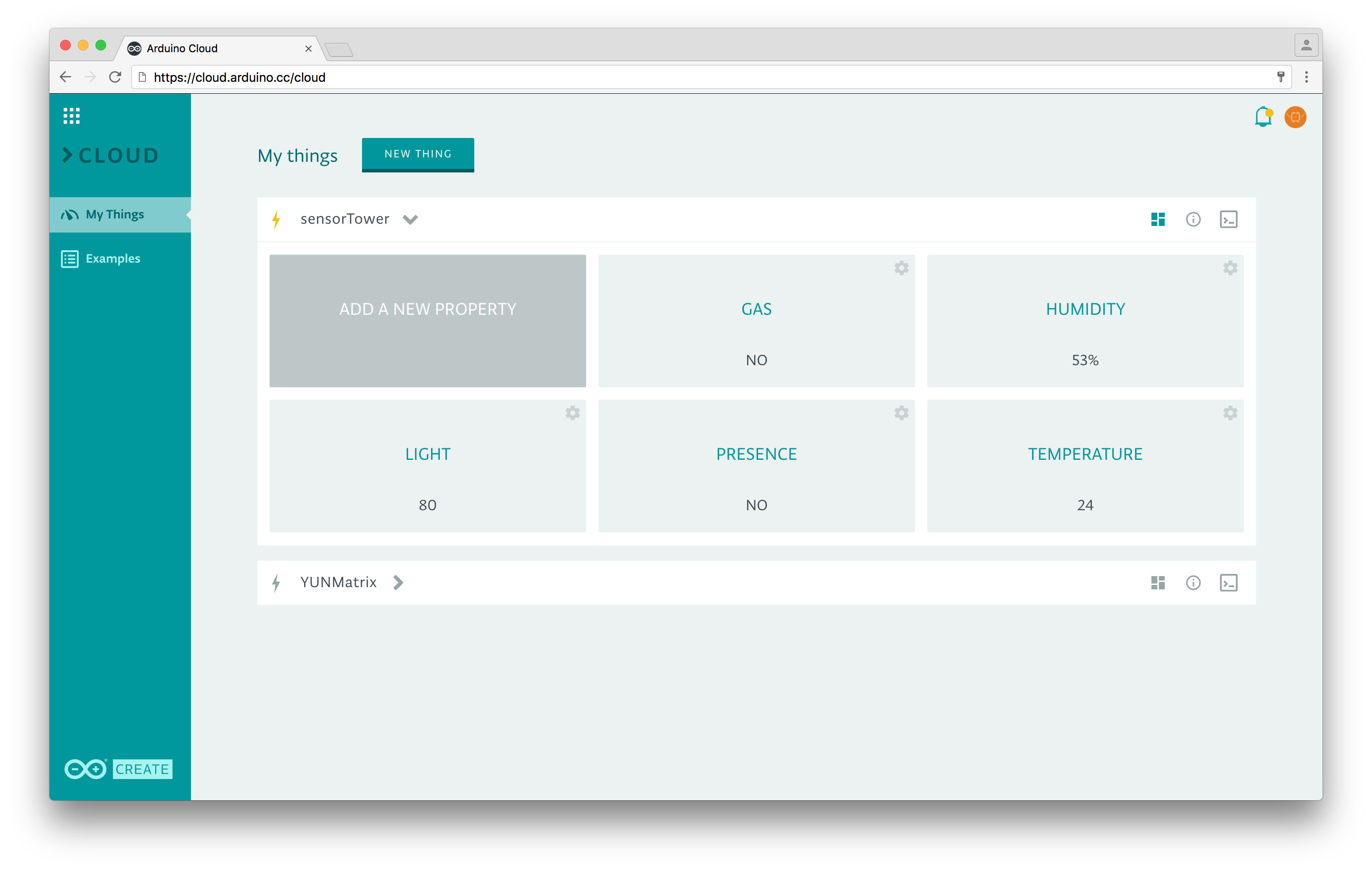
    The Cloud Sensor Station is equipped with four different sensors: gas detection, light intensity, motion detection (infrared) and temperature/humidity. These four sensors send values to the Arduino Cloud so that you can see real-time results of the collected data from everywhere.
  • Yún Camera | “Lights! Camera! Facebook!”
    The Yún Camera captures photos at the press of a button and then automatically uploads them onto Facebook. (We’re sensing plenty of selfies in our near future!)
  • Yún Message | “Leave a Message and I’ll Show It Back”
    The Yún Message is a smart desk, developed in collaboration with Opendesk, that displays custom messages on an LED matrix. This piece of smart furniture lets users share a reminder or note through a webpage. Come and leave a note or… do it online!
  • Twitter Printer | “The IoTweet!”
    This connected thermal printer running on MKR1000 will automatically print tweets from all over the world with the #PrintArduino hashtag. (Look forward to seeing what you come up with!)

Additionally, we’ll be showcasing our Creative Technologies in the Classroom (CTC) program, which is a collaborative learning curriculum designed for schools that wish to incorporate emerging technologies into their existing technology classes.

Whether you’re a teacher or student, come and discover how to explore electronics through a series of hands-on coding projects that’ll provide you with the foundations of programming, electronics and mechanics.

Aside from some of our latest products and projects, we’ll also play host to several members of our growing open-source ecosystem and partners like Intel, ARM and Atmel, to name just a few.

Have a question about Arduino? Looking to get started but don’t know how? Beginners, or even experienced users, will have the chance to get their questions answered inside our booth. We’ve set aside an area where you can speak to our team of experts, from your recent invention to one of our boards. What’s more, you’ll even be able to take home an assortment of Arduino SWAG: stickers, pins and other cool giveaways!

Can’t wait to see everyone soon! In the meantime, stay tuned as we’ll be posting a confirmed agenda of scheduled talks in the next few days. For everything else, check out Maker Faire’s official site!

Let’s warm up for Maker Faire Rome 4th edition!

Last friday in Rome during the press conference of Maker Faire Rome 4th edition, Riccardo Luna together with Massimo Banzi announced that next October the event is going to become “better, bigger and stronger”.
A new location by Fiera di Roma building will host six pavilions in an area of over 100.000 sq.m. for makers, visitors, conferences, seminars and workshops. The event promoted by the Rome Chamber of Commerce and powered by its Innovation Unit “AssetCamera “ is once more curated by Massimo Banzi, Arduino co-founder, along with Riccardo Luna, Italian Digital Champion.

The topics featured at Maker Faire Rome 2016 are going to be home automation, re-use, drones and robots, 3D printing, digital manufacturing, industry 4.0, IoT – Internet of things, mobility, safety & security, food , fashion, music and especially Food & Nutrition.Together with the Future Food Institute (FFI), trust voted to food and innovation, Maker Faire will focus on the intersection between food and technology and will deepen the relationship between nutrition, health & wellbeing. The “Call 4 Makers” 2016 will open on April 18th and will close on June 5th.

Maker Faire Rome is also looking for amazing project with a “Call for BigBang Projects”  open until March 31st.  The call will consider large-scale, entertaining, high impact, interactive projects. Installations and performances proposals will be welcome, too. The goal is to create the most immersive scenery one could dream of for a Faire of such character.

In the meanwhile take a look at the European Maker Week, an entire week of makers’ events, from May 30th to June 5th,  promoted by The European Commission and implemented by Maker Faire Rome in collaboration with Startup Europe, the event:

aims to draw European citizens to the “Maker world” thanks to the aid of Fablabs, Makerspaces, Hackerspaces and the hardware startups environment. The goals of European Maker Week are two folds: create awareness about the importance of the maker culture to foster an education of creativity and innovation in all schools across Europe; build bridges between local authorities and media and the main players of their own local makers ecosystems. It is of particularly importance to reach out to new players (e.g. Schools) who have never organized a maker event before.


From Aerospace to Weaving, Houston Mini Maker Faire Is an Inventors’ Paradise

Houston Mini Maker Faire attendees had a chance to create scientific creatures, assemble a clock, take a peek through augmented reality, and much more.

Read more on MAKE

The post From Aerospace to Weaving, Houston Mini Maker Faire Is an Inventors’ Paradise appeared first on Make: DIY Projects, How-Tos, Electronics, Crafts and Ideas for Makers.

Thanks to all 100k participants: Maker Faire Rome 2015 was great

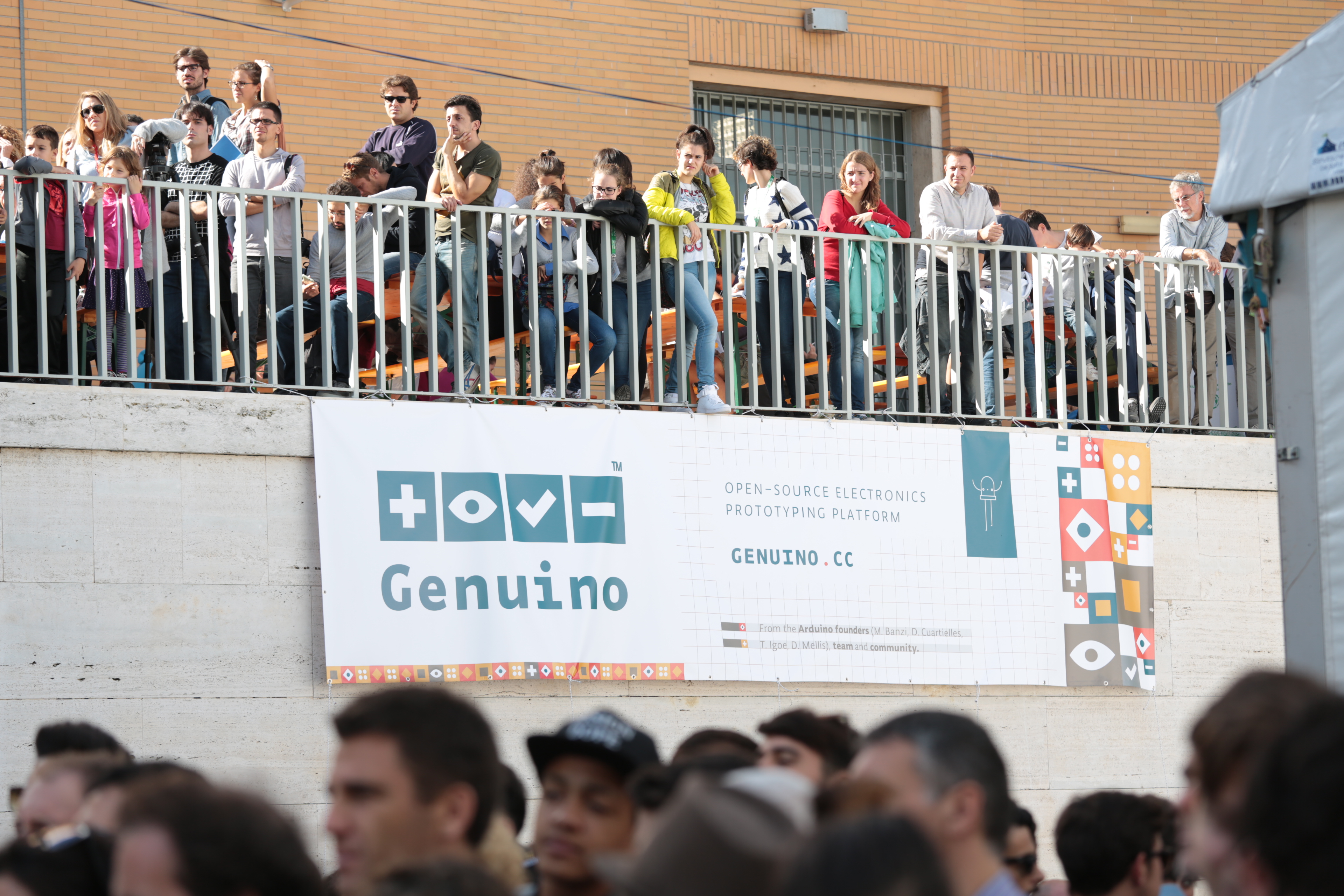
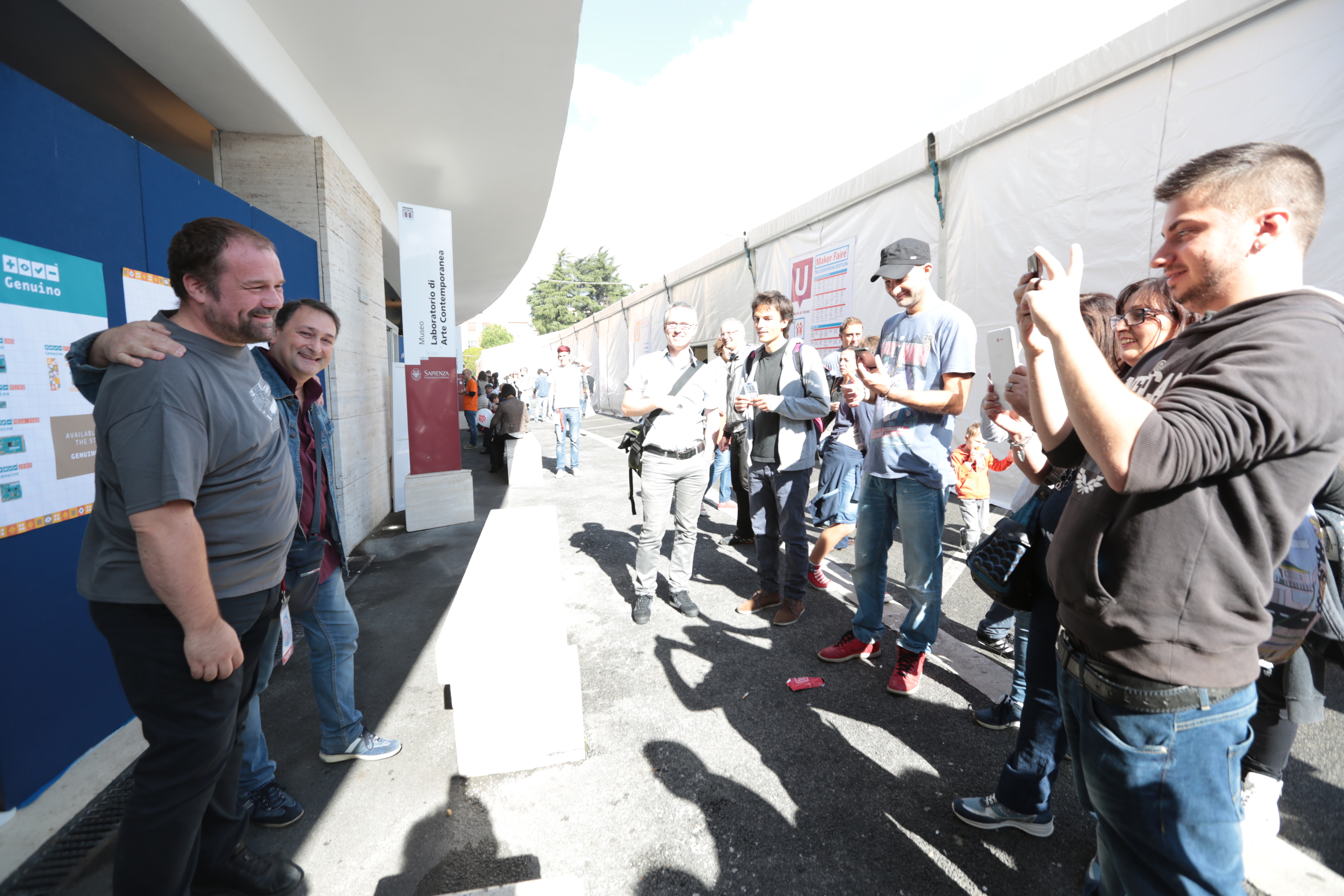
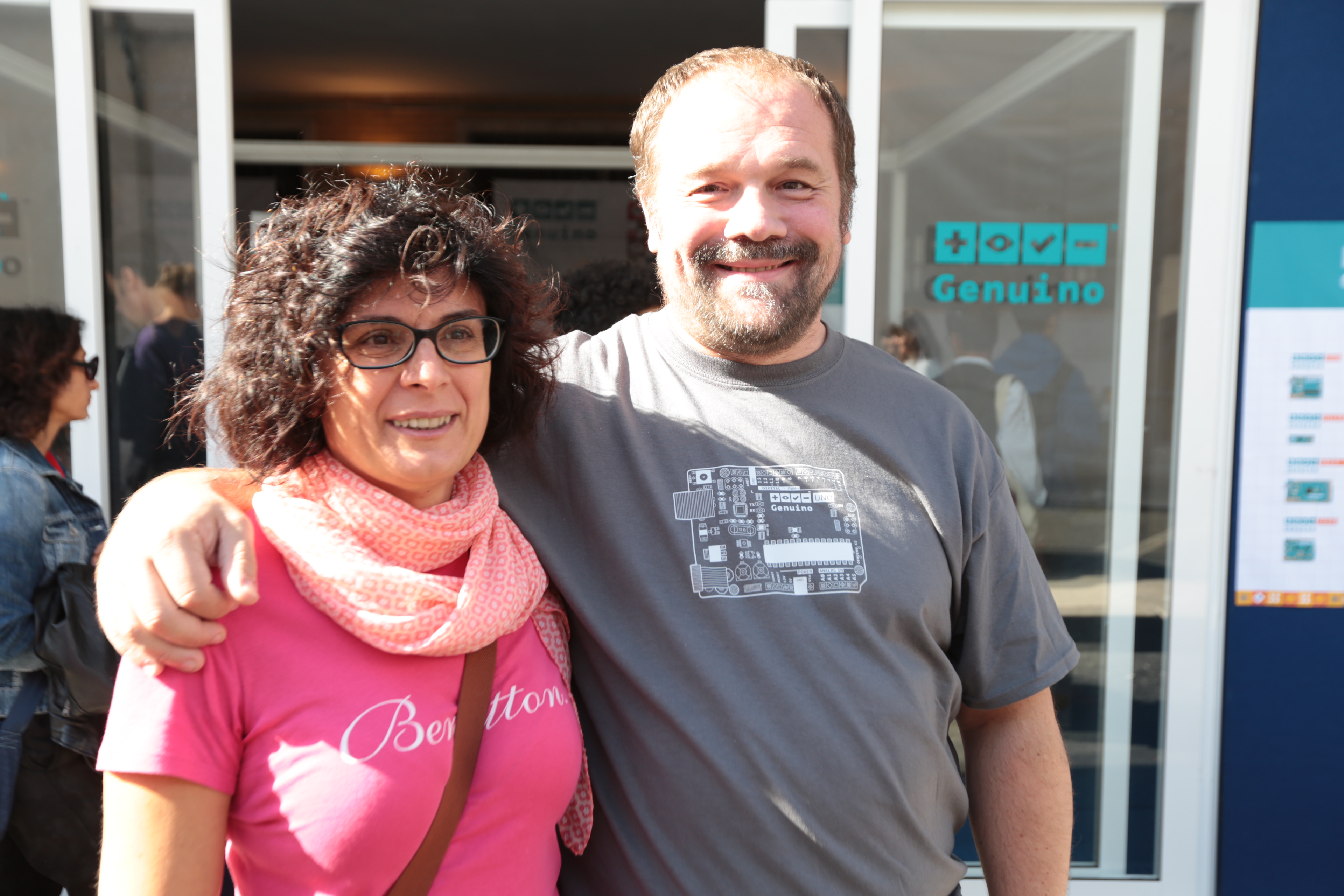
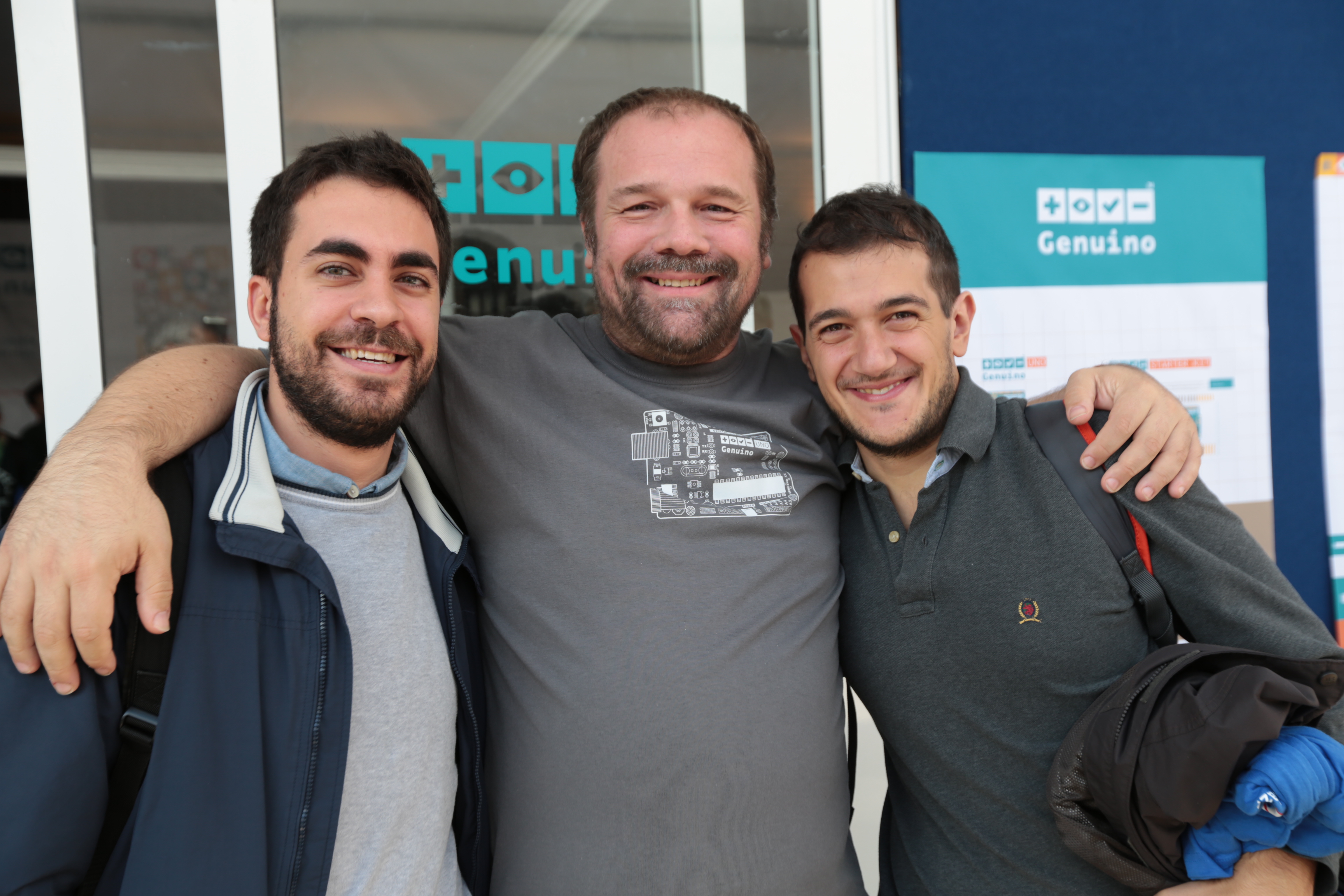
Last weekend we were in Rome to take part to the third edition of Maker Faire Rome. With more than 100.000 participants, the event confirmed itself as the biggest Maker Faire outside of US. We thank you all for visiting our booth and express your support to Arduino.cc community.

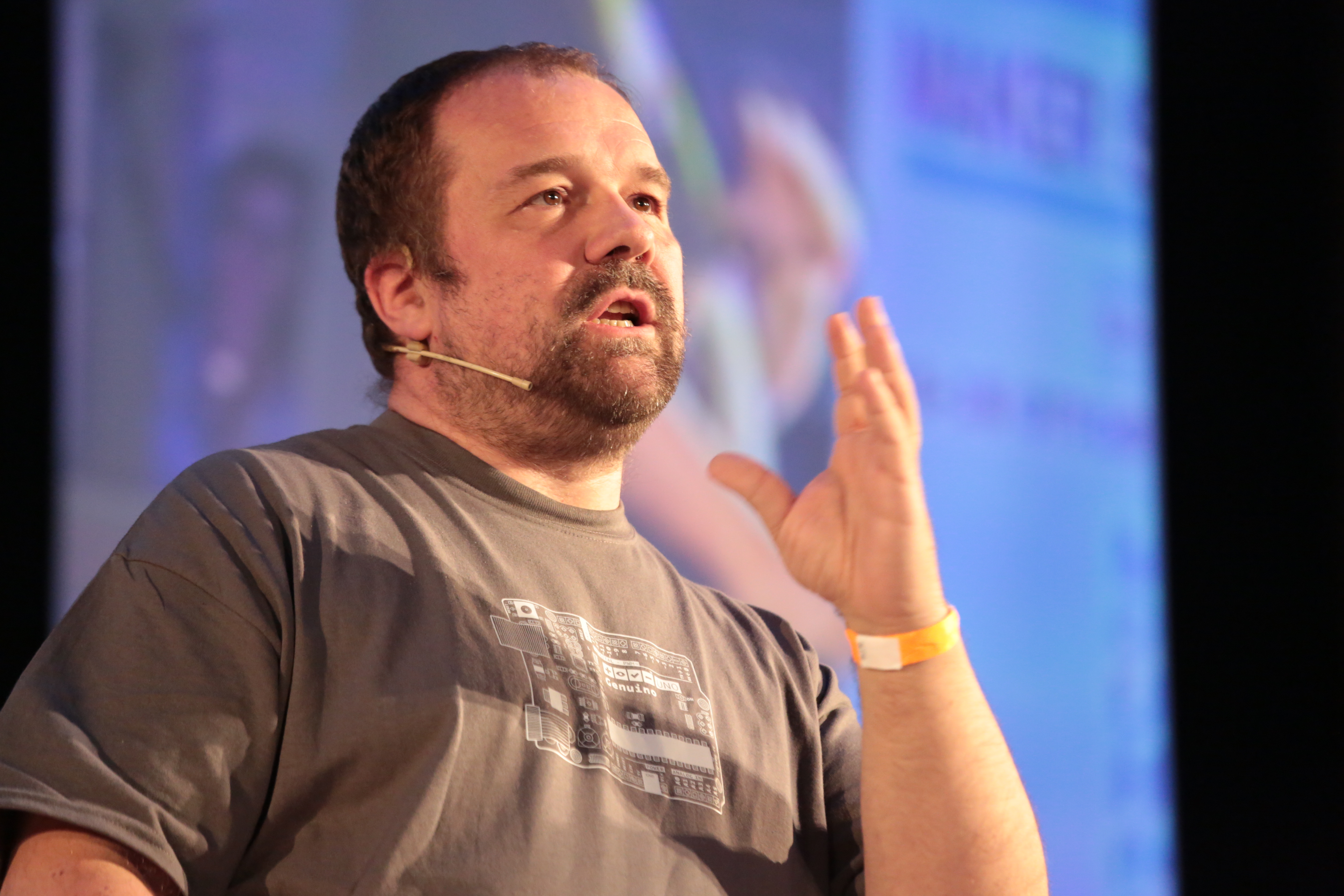
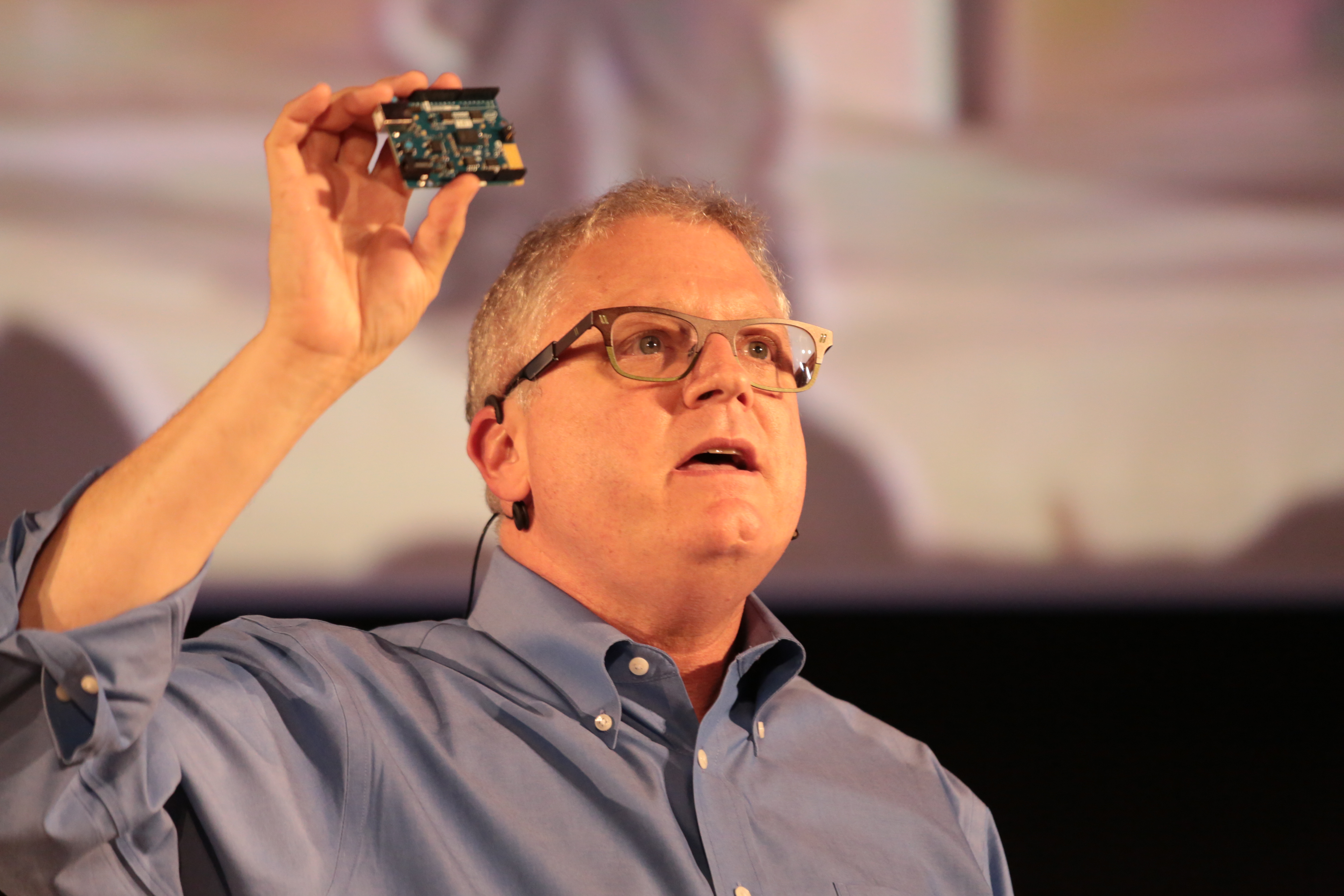
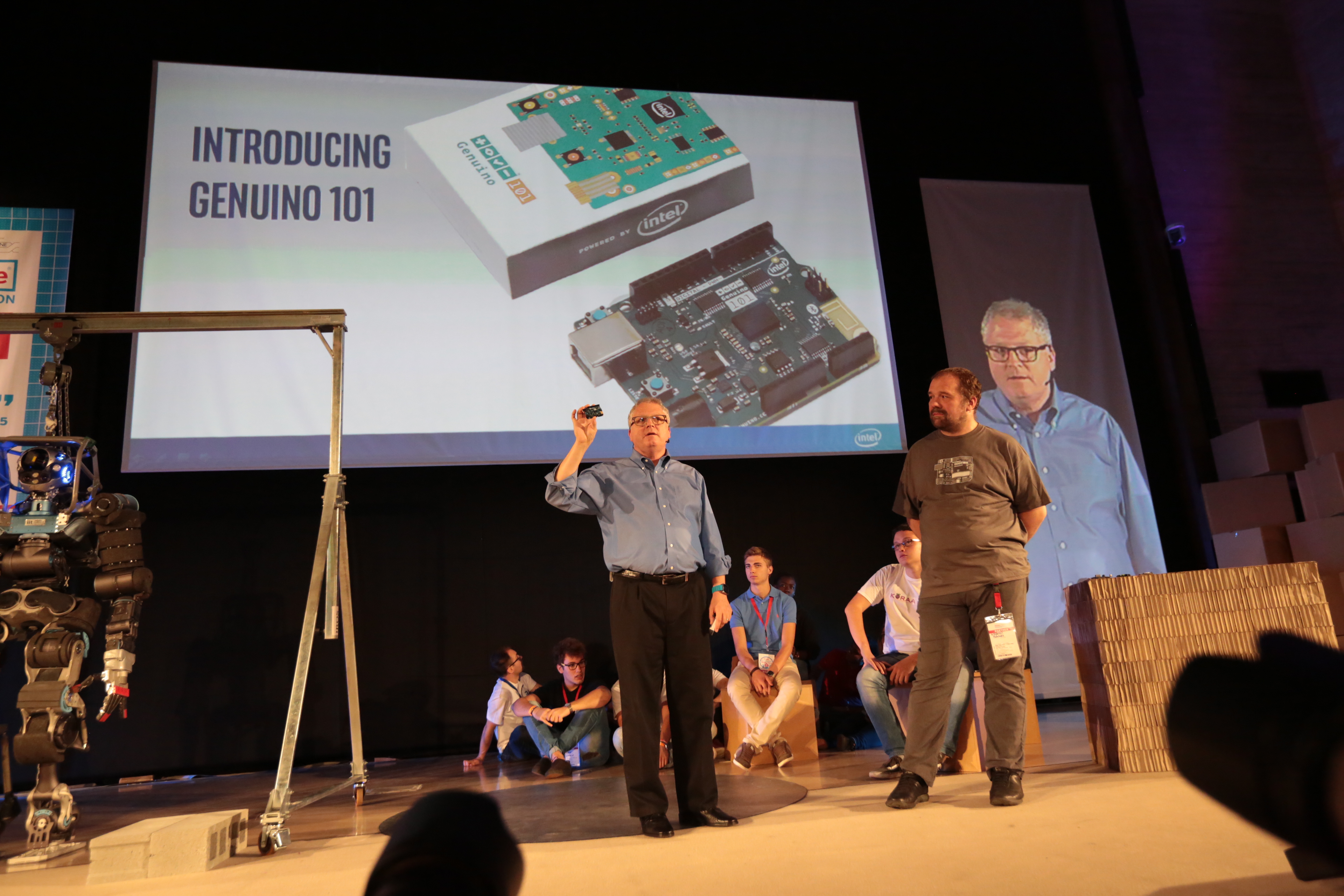
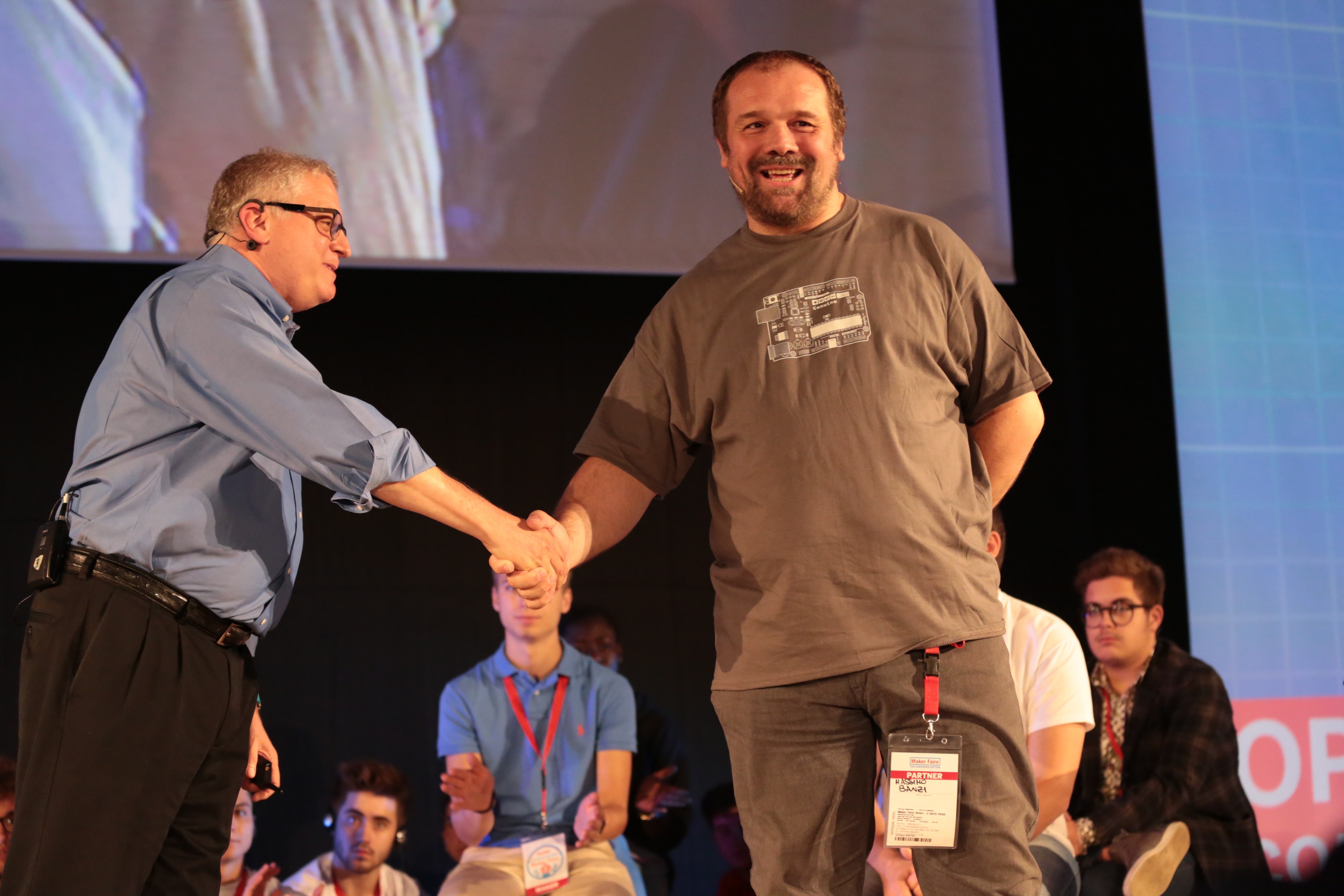
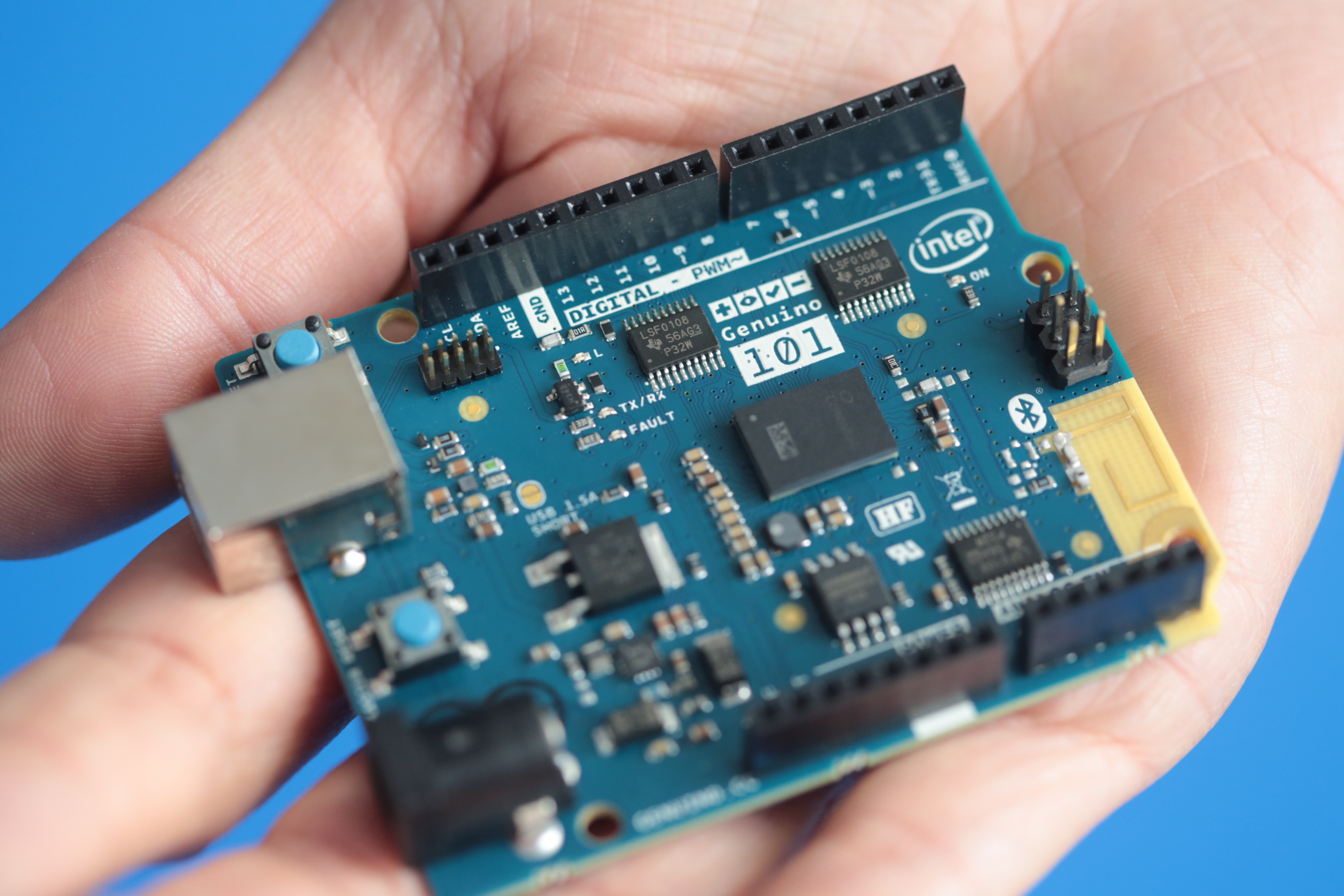
On Saturday we had a special announcement to make, Intel and Massimo Banzi were on the main stage presenting the collaboration on the Arduino 101 and Genuino 101:

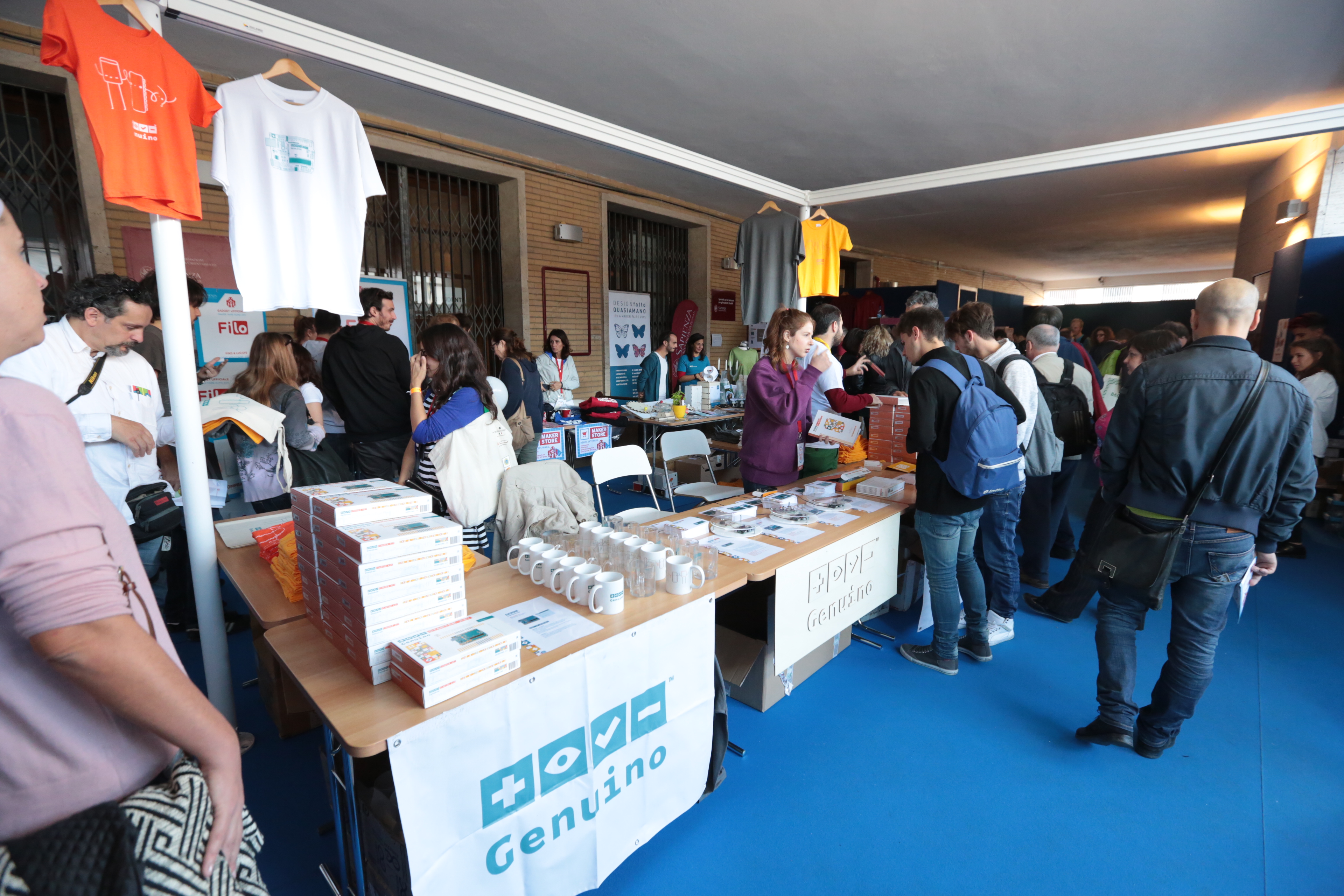
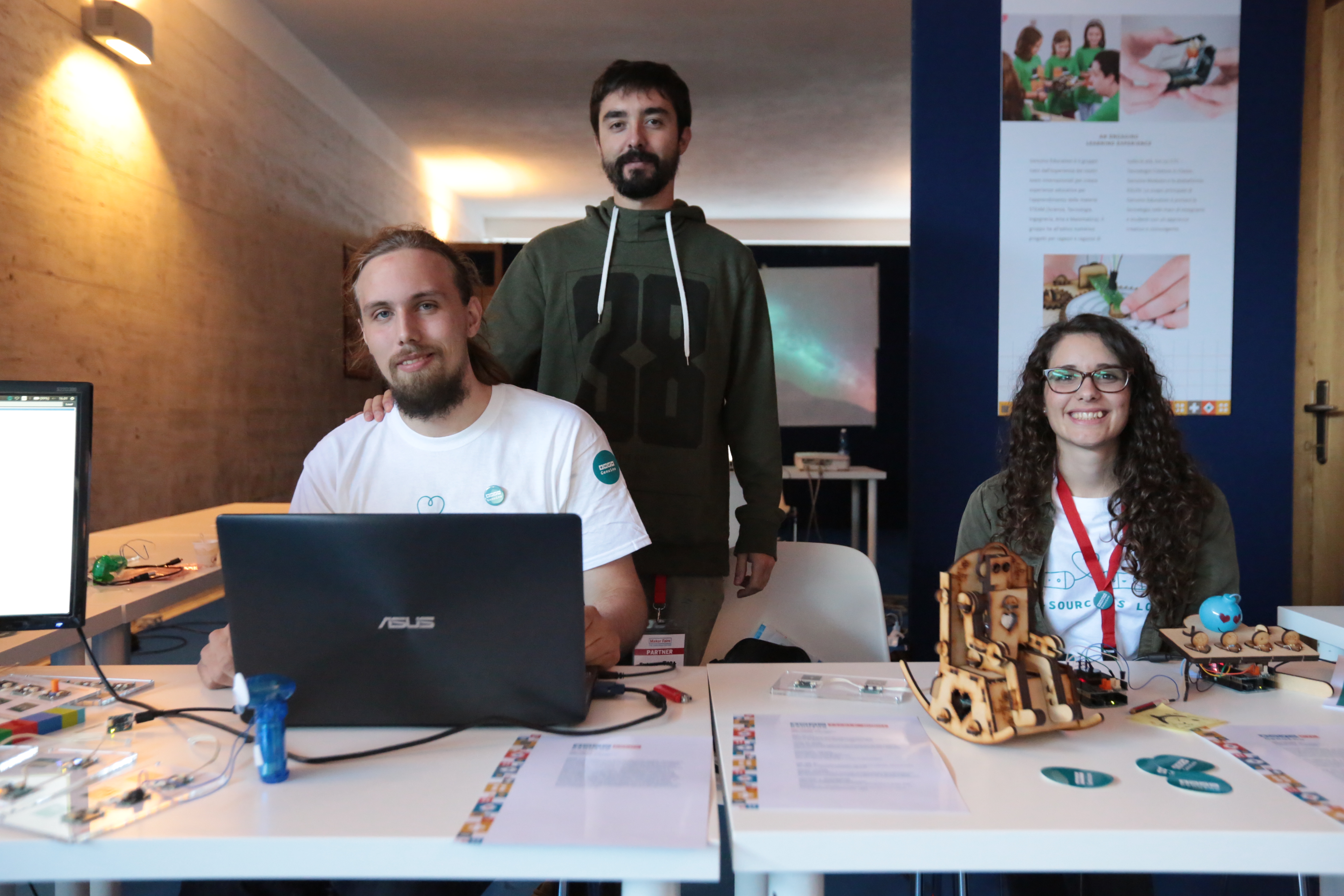
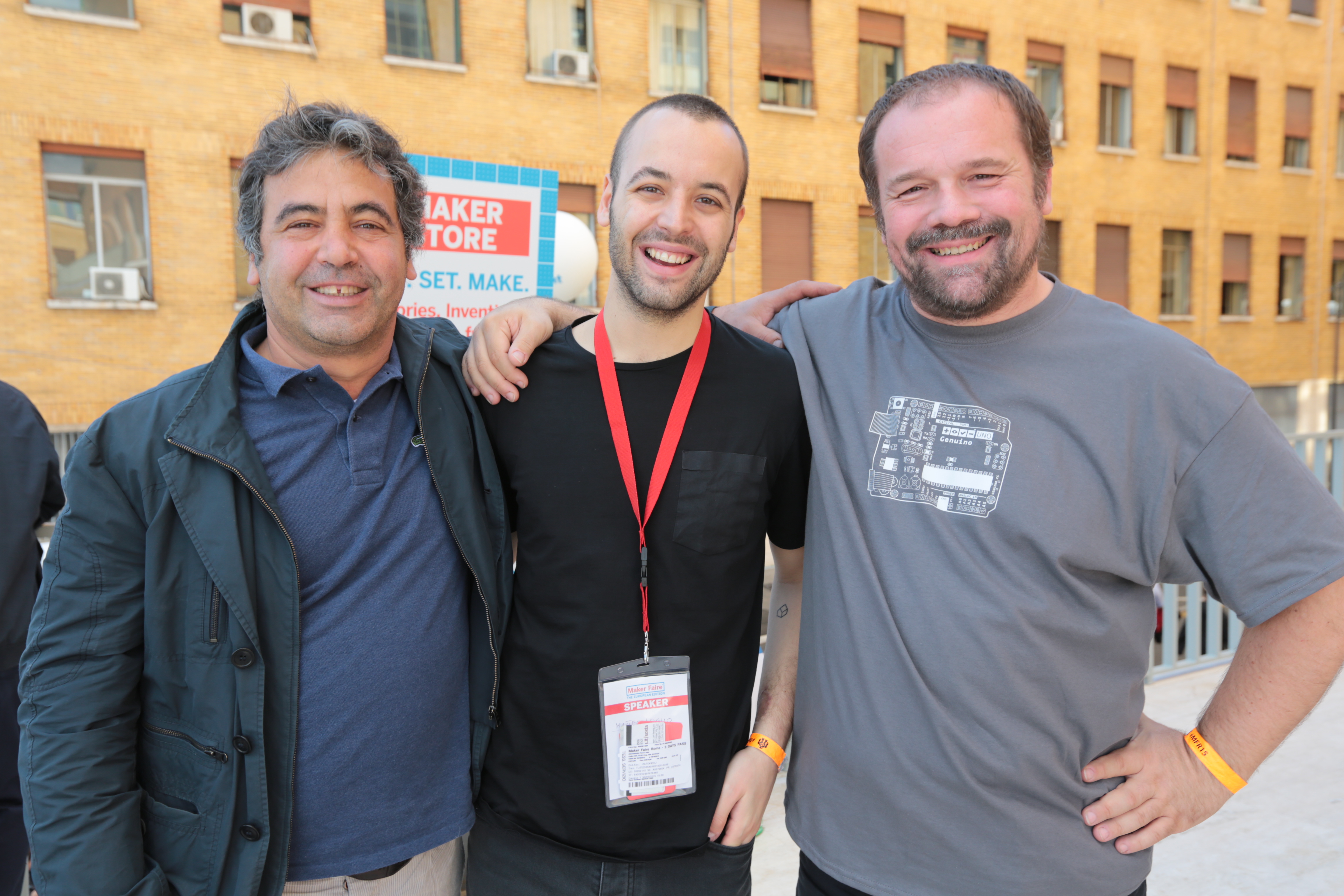
During the three days makers, designers, kids and parents, and many more visited the Genuino Booth and the Maker Store to see the new Arduino’s sister brand Genuino boards, explore the interactive installations and chat with the Arduino team:

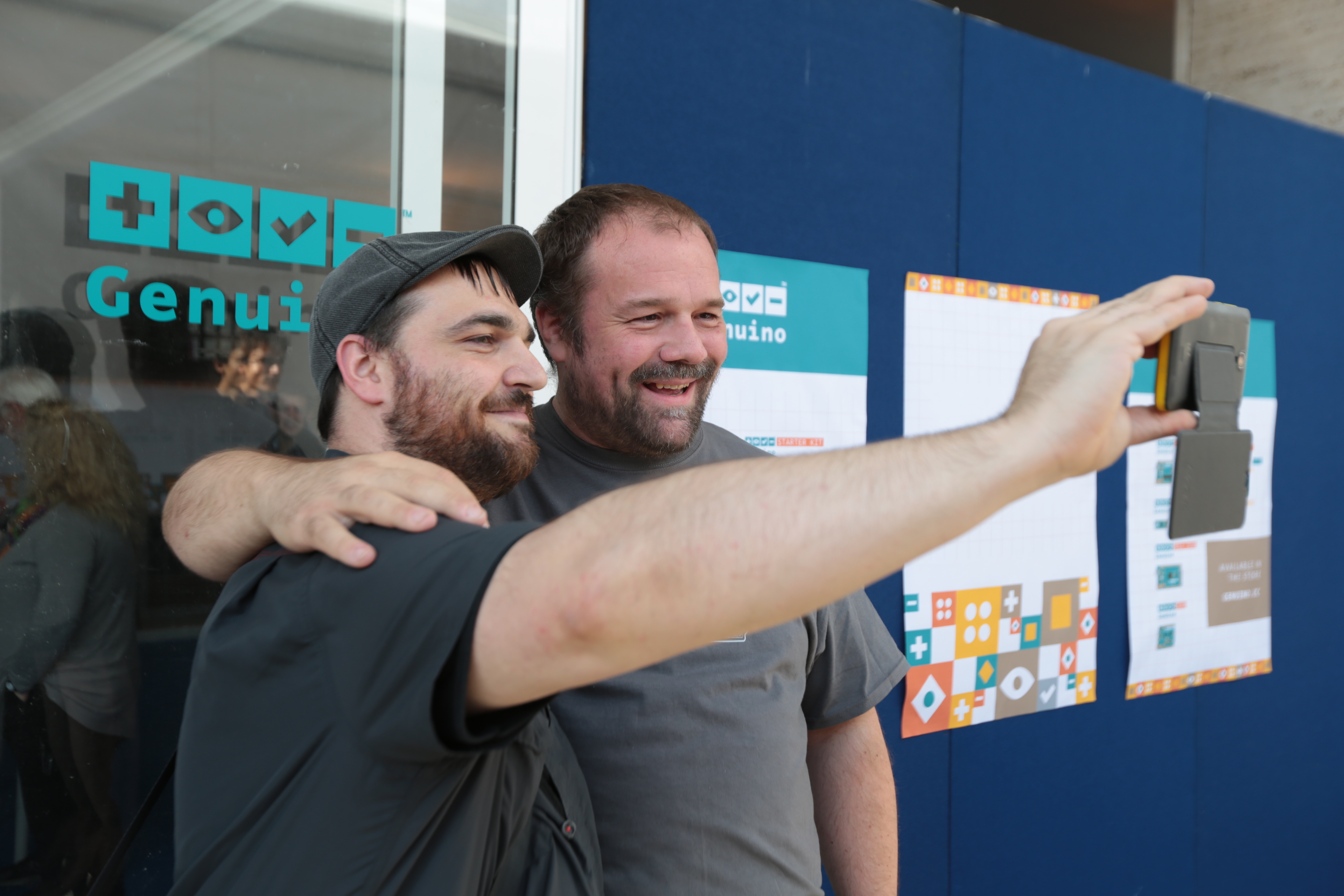
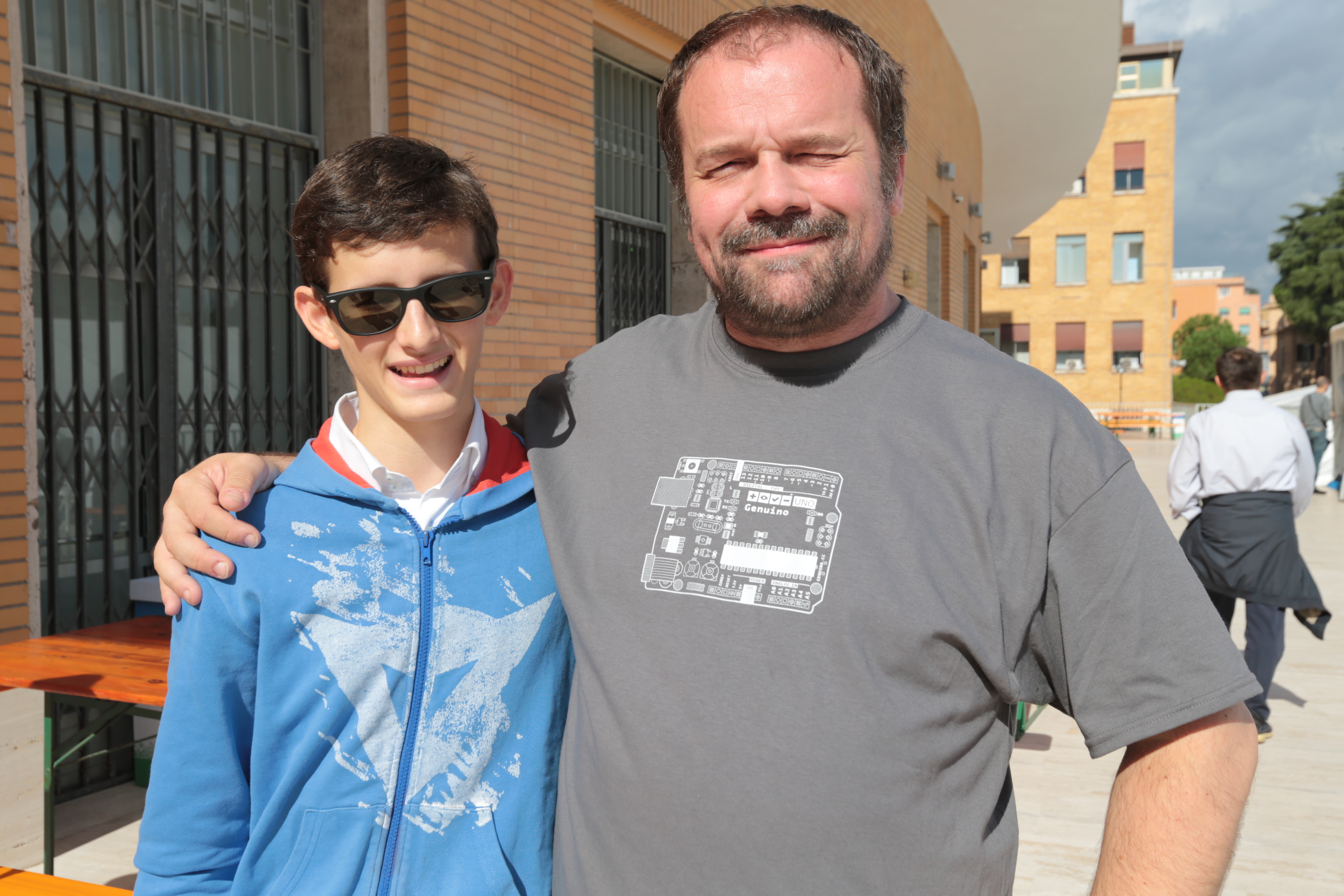
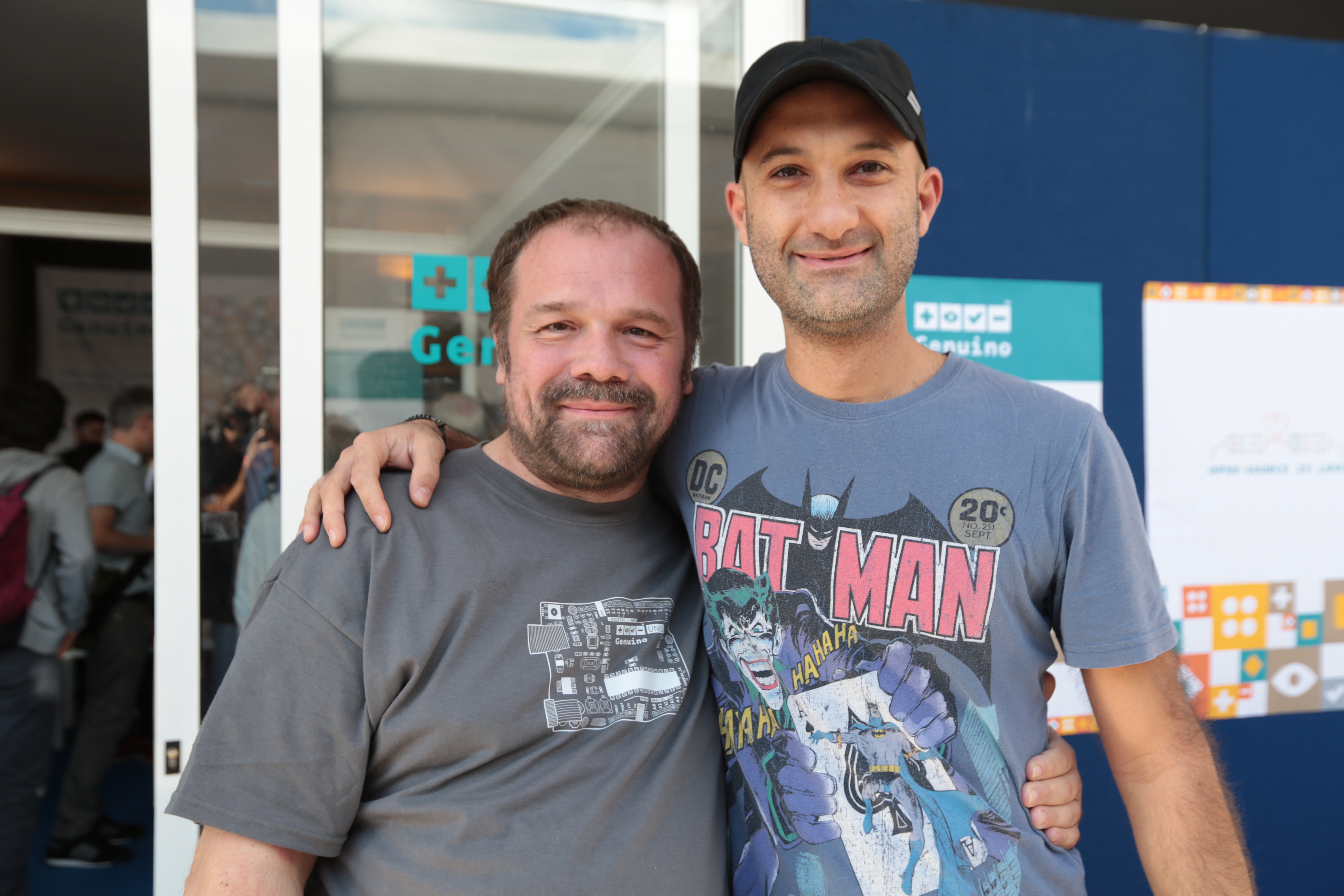
Massimo Banzi met  many fans and took part to a lot of selfies :

Explore the gallery of all pictures on Arduino account on Flickr. And see you at Maker Faire Rome 2016!

Meet us at Makercon and World Maker Faire 2015!

This week New York City is the city of Makers, with Makercon conference and World Maker Faire coming up on our agenda!

You can begin on September 24th, with Massimo Banzi taking part to the session TECH: Cheaper, Faster, Better of Makercon (at 3.30pm local time) to discuss the future of maker development platforms – particularly microcontroller boards – and they paths toward being more powerful, less expensive, and more accessible to a broader range of Makers than ever before.

In the meanwhile, watch the video from 2014 edition:

On the weekend, September 26th and 27th, we’ll be joining Atmel booth in Zone 3 for the 6th annual World Maker Faire. We’ll be exhibiting some of our latest products and cool projects made with Arduino.

Here’s a memo of presentations made by Arduino team:

Saturday h.1.00 PM to 1.30 PM Center Stage – NYSCI Auditorium
State of Arduino by Massimo Banzi

Saturday 3:15 PM —3:30 PM Center Stage – NYSCI Auditorium
Who Are You Making For?  by Tom Igoe
Tom will share a few stories of makers whose work has inspired him in and out of the classroom, and discuss how their stories and motivations led to the things they’ve made.

Saturday 11:30 AM — 11:45 AM  Zone 3 – Make: DIY
Getting Started with Arduino (3rd edition) by Michael Shiloh
Co-author with Massimo Banzi of ‘Getting Started with Arduino’, Michael takes you through the microcontroller’s latest iterations.

Sunday 11:15AM – 11:30 AM Zone 3 – Make: DIY
Getting Started with Arduino (3d edition) by Michael Shiloh
Co-author with Massimo Banzi of ‘Getting Started with Arduino’, Michael takes you through the microcontroller’s latest iterations.


Sci-Fi Instrument Is a Real Life Windows Media Visualizer

Artist Balam Soto has been making interactive projects for years. This is his latest: Exp.Inst.Rain, a wavering, touch-controlled instrument.

Read more on MAKE

The post Sci-Fi Instrument Is a Real Life Windows Media Visualizer appeared first on Make: DIY Projects, How-Tos, Electronics, Crafts and Ideas for Makers.

This Second-Grader Built an Arduino-Embedded Pinewood Derby Car

Makers come in many different forms, nationalities, and ages. The same can be said about the many projects that those Makers design and build, which range from robotics to automated homes and everything in between. One of the more interesting projects I came across at the Westport Maker Faire was from a young […]

Read more on MAKE

The post This Second-Grader Built an Arduino-Embedded Pinewood Derby Car appeared first on Make: DIY Projects, How-Tos, Electronics, Crafts and Ideas for Makers.