Posts with «maker faire bay area» label

Bring ideas, leave inspired: Maker Faire Bay Area 2026 is coming!
Are you ready for Maker Faire Bay Area? We sure are! The family-friendly festival of invention, creativity, and hands-on DIY culture – some call it the “the greatest show-and-tell on Earth” – is holding its special 20th anniversary edition this year, and we wouldn’t dare miss the celebrations. 

Join us on September 25th–27th in Vallejo, California with thousands of makers, educators, and tech enthusiasts from all over the world: at Maker Faire, everyone brings their own ideas and leaves with loads of inspiration.

Find us at the Make: magazine booth

Stop by the Arduino Space inside the Make: magazine booth to hang out with the team, check out our latest hardware, and see what’s next for open-source electronics:

Plus, we’ll be offering a special discount code for Faire visitors!

Don’t miss Massimo Banzi on the Foundry Stage

Mark your calendars for Sunday, September 27th at 1PM PDT! Arduino co-founder Massimo Banzi will be taking the Foundry Stage for a special talk showcasing “One year of projects with the UNO Q.” We knew it was something special when it launched in October 2025, but the range of ideas you all have tested and brought to life in the past 12 months has been nothing short of incredible. Massimo’s talk will feature some of the most amusing, surprising, and advanced community-built ideas we’ve seen – and we know it will only inspire you to go further! 

Get your tickets and find all the event’s info on the official website. We look forward to seeing you at Maker Faire Bay Area 2026.

Arduino, Plug and Make, UNO, and VENTUNO are trademarks or registered trademarks of Arduino S.r.l.

The post Bring ideas, leave inspired: Maker Faire Bay Area 2026 is coming! appeared first on Arduino Blog.
Magnetic Attraction Of Microduino mCookie Modules

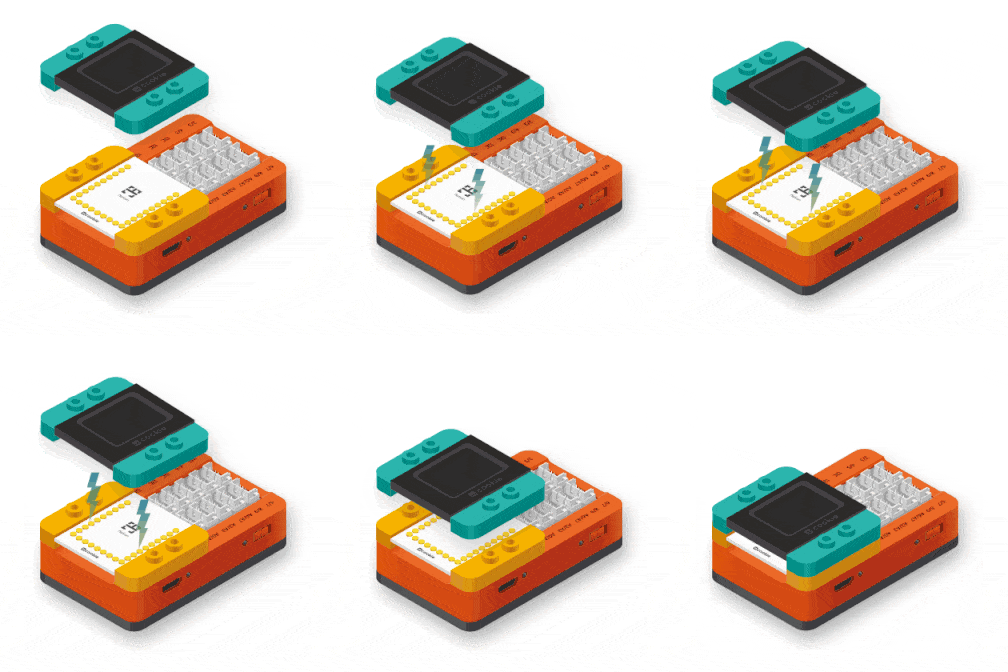
We’ve seen countless different robot kits promoted for STEM education, every one of which can perform the robotic “Hello World” task of line following. Many were in attendance at Maker Faire Bay Area 2019 toiling in their endless loops. Walking past one such display by Microduino, Inc. our attention was caught by a demonstration of their mCookie modules in action: installing a peripheral module took less than a second with a “click” of magnets finding each other.

Many Arduino projects draw from an ecosystem of Arduino shields. Following that established path, Microduino had offered tiny Arduino-compatible boards and peripherals which connected with pins and headers just like their full-sized counterparts. Unfortunately their tiny size also meant their risk of pin misalignment and corresponding damage would be higher as well. mCookie addresses this challenge by using pogo pins for electrical contacts, and magnets to ensure proper alignment. Now even children with not-quite-there-yet dexterity can assemble these modules, opening up a market to a younger audience.

Spring loaded electric connections are a popular choice for programming jigs, and we’ve seen them combined with magnets for ideas like modular keyboards, and there are also LittleBits for building simple circuits. When packaged with bright colorful LEGO-compatible plastic mounts, we have the foundation of an interesting option for introductory electronics and programming. Microduino’s focus at Maker Faire was promoting their Itty Bitty Buggy, which at $60 USD is a significantly more affordable entry point to intelligent LEGO creations than LEGO’s own $300 USD Mindstorm EV3. It’ll be interesting to see if these nifty mCookie modules will help Microduino differentiate themselves from other LEGO compatible electronic kits following a similar playbook.

Join us at Maker Faire Bay Area 2019!

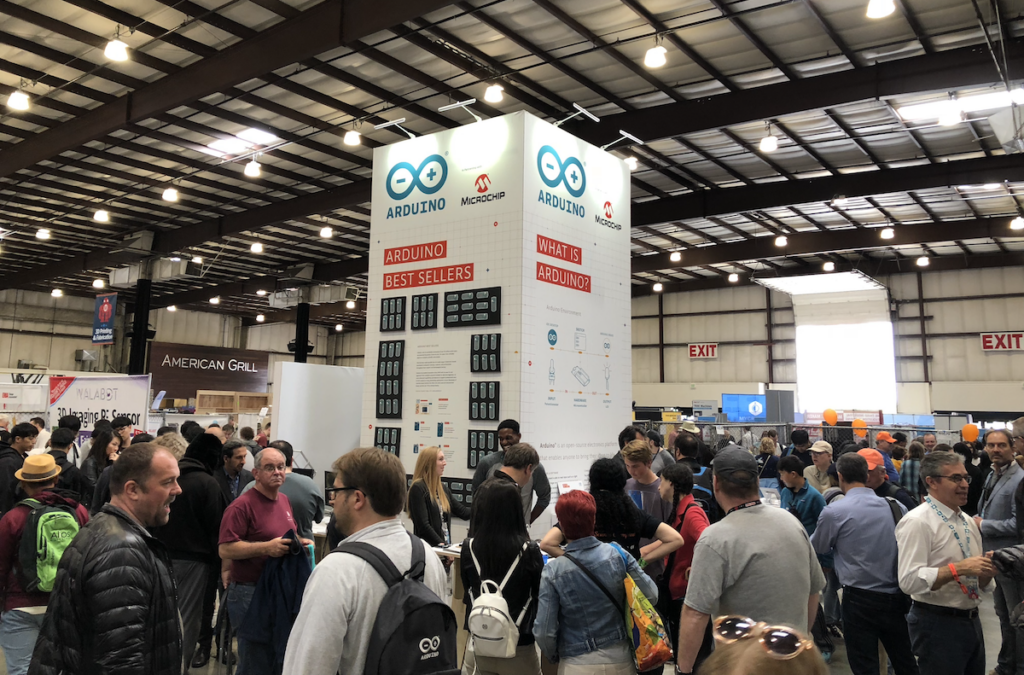
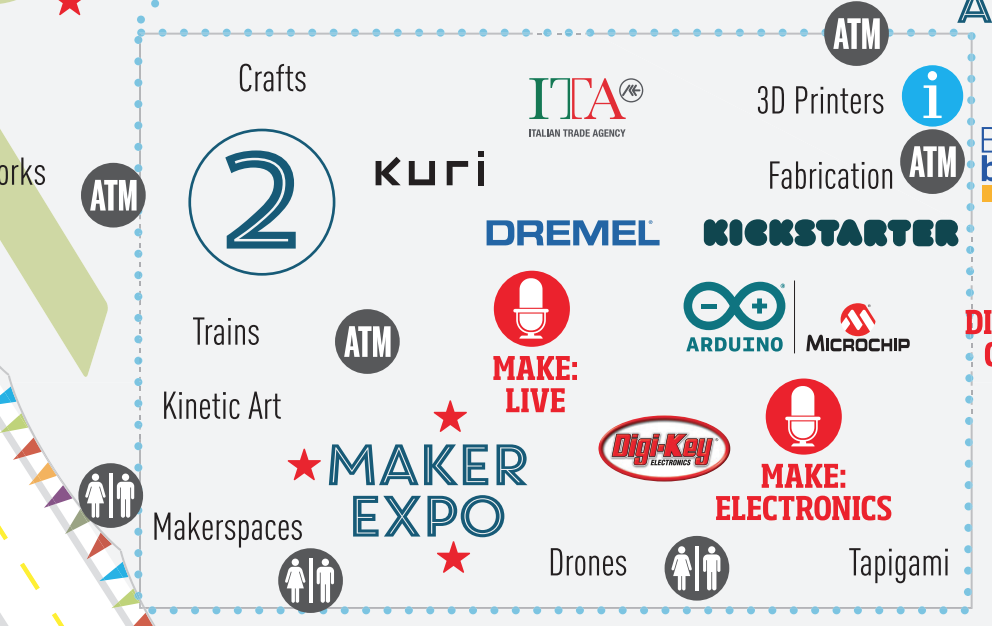
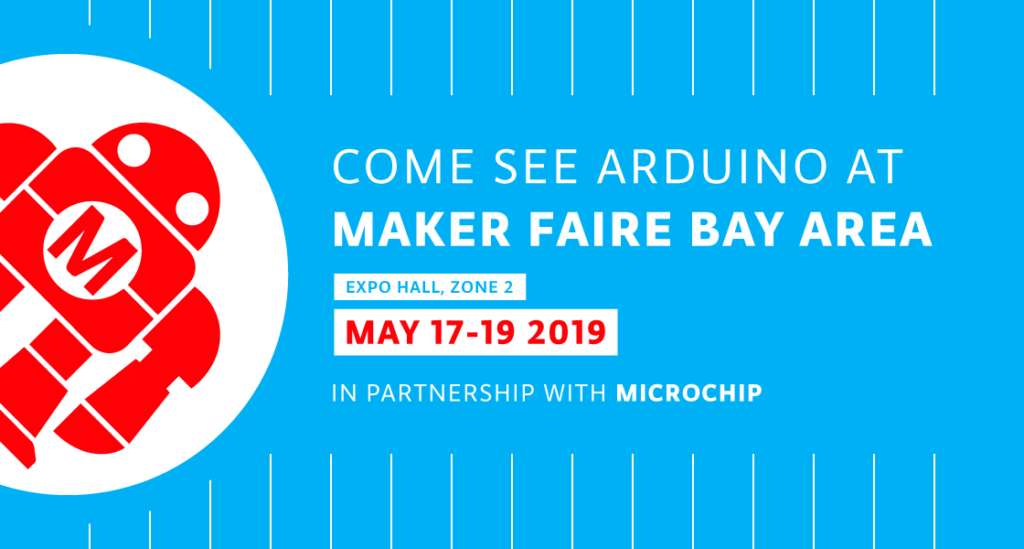
We are just few hours away from Maker Faire Bay Area 2019, where we will be partnering with Microchip in the Expo Hall (Zone 2).

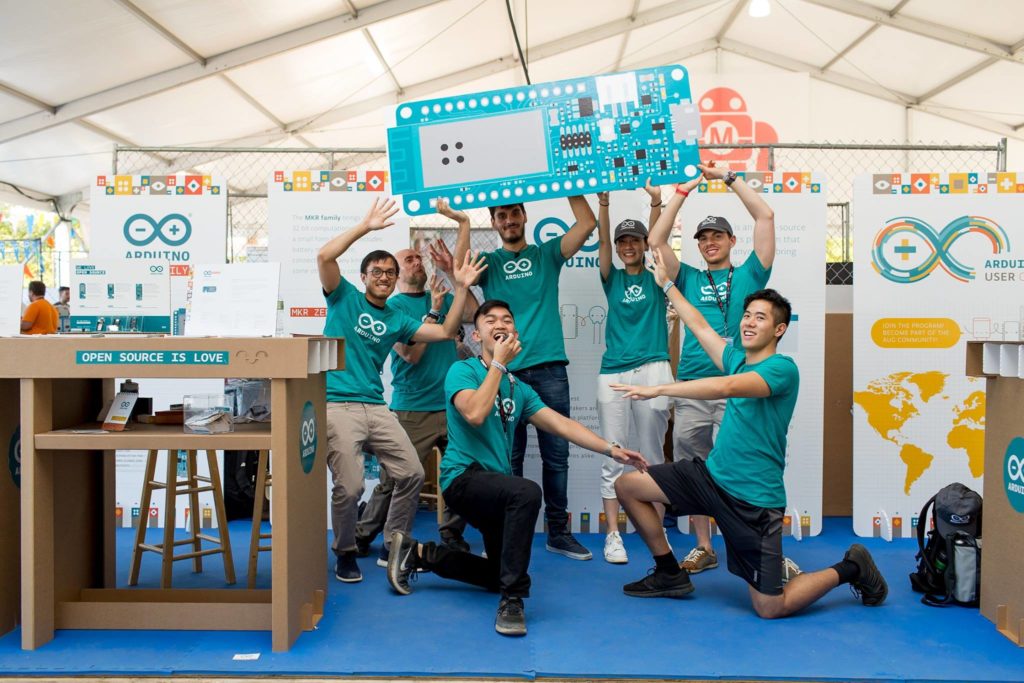
Those heading to San Mateo over the weekend will want to swing by our booth to meet the Arduino team, check out some demos, and explore all our latest hardware. Plus, we’ve got plenty of exciting news in store!

  • Bring your MKR GSM 1400 for an exCELLent surprise. It’s that SIMple! We’ll be running a giveaway for every attendee that shows up to our booth with their board.
  • Magic IoT Sphere: Something small but special is coming! Lift it, question it, shake it — then be amazed. Shake it again and you’re in for a nice Arduino treat. Are you ready to discover the little yet powerful secret behind this magic?

Moreover, you’ll have the opportunity to learn more about Arduino Education‘s recent developments, including CTC Go! and the Science Kit Physics Lab.

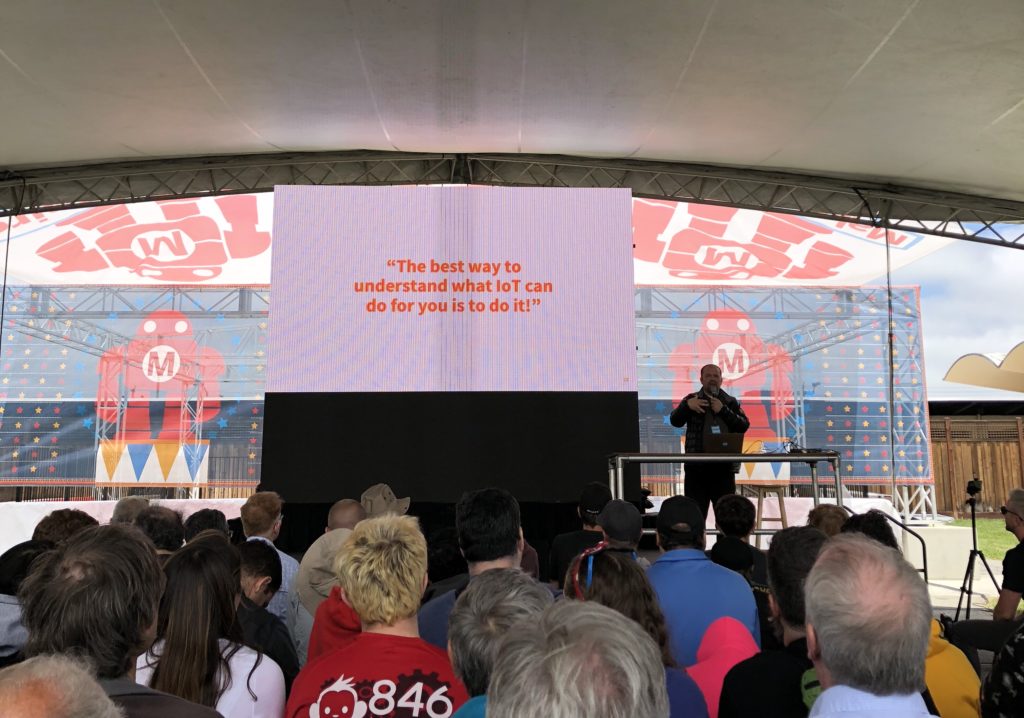
Finally, a Maker Faire Bay Area tradition, Massimo will once again take Center Stage (Zone 6) and deliver his “The State of Arduino” talk on Saturday at 2pm PT.

We can’t wait to see you all this weekend! For more information on the program and venue, be sure to visit the Maker Faire Bay Area website. 

Maker Faire Bay Area 2019: Call for volunteers

Planning to attend Maker Faire Bay Area this month? Arduino will be joining the festivities with a booth in partnership with Microchip — Expo Hall, Area 2 — and Massimo Banzi’s State of Arduino talk on Saturday at 2 pm on the Center Stage. We’re also looking for volunteers to welcome visitors, staff tables and displays, assist with one-on-one demos, and offer technical assistance when necessary.

Those who help us out will receive a one-day pass, so they can explore and enjoy everything happening around the faire grounds. Water, snacks, and an Arduino t-shirt will be provided, and we’ve even prepared a small gift to show our appreciation at the end of your shift.

If interested, please fill out this questionnaire and we’ll get back to you soon!

Say hello to the next generation of Arduino boards!

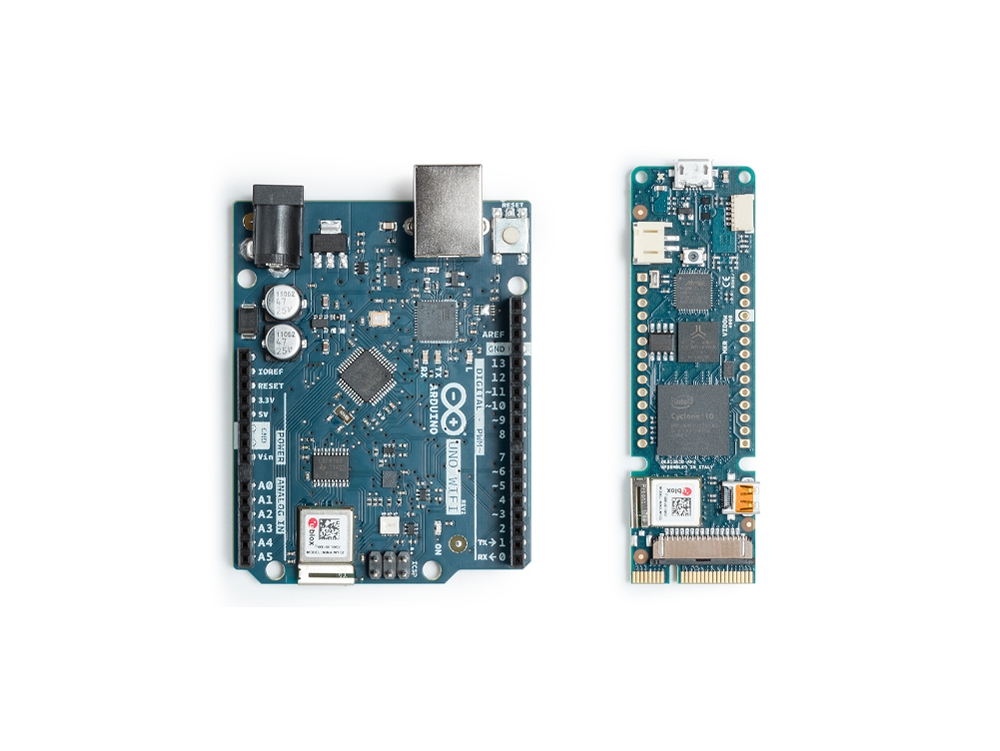
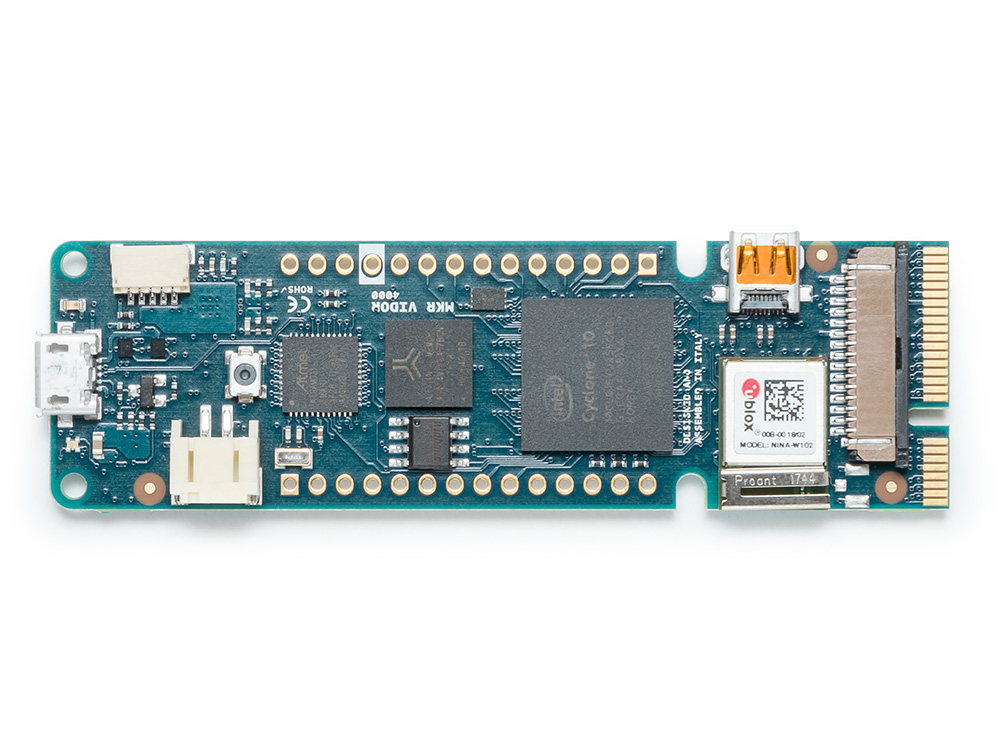
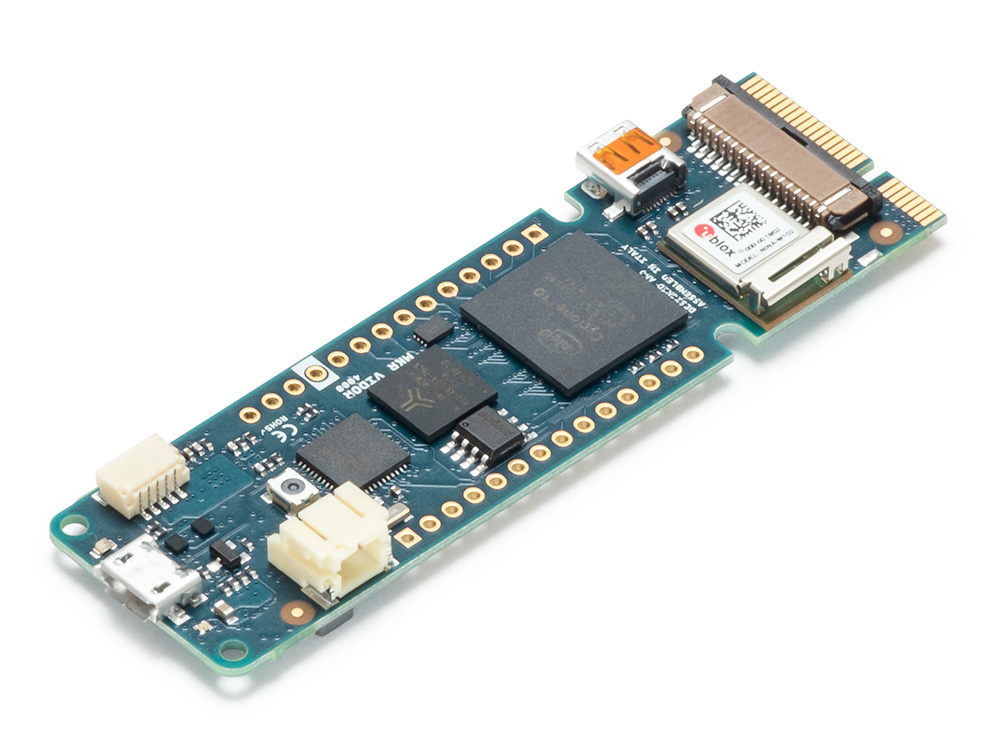
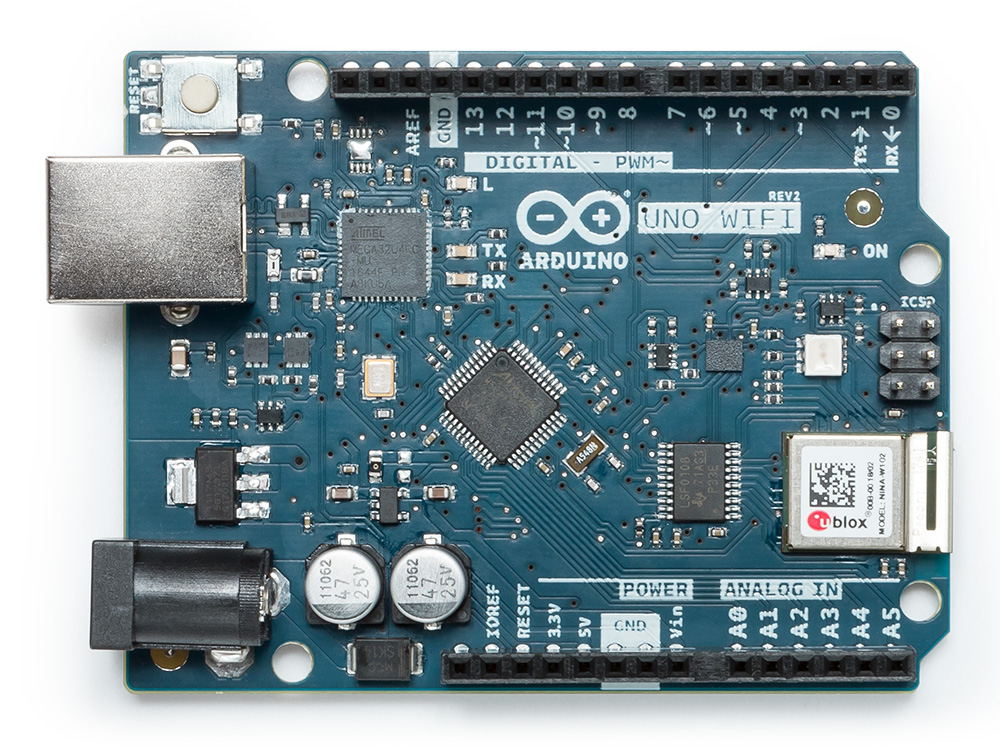
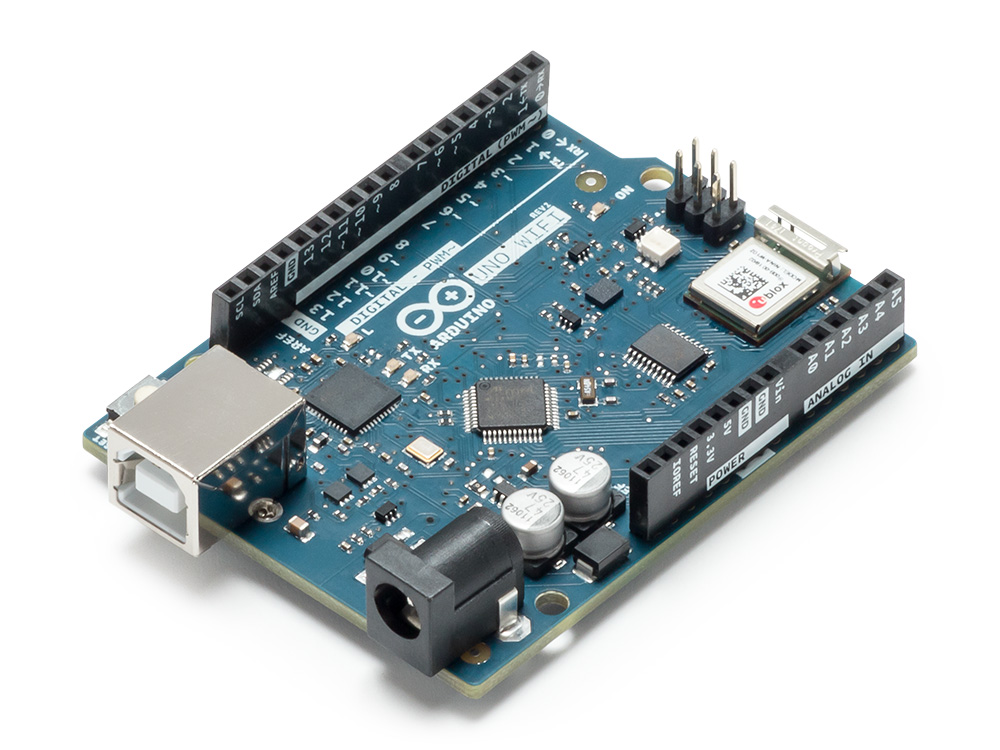
We’re excited to kick off Maker Faire Bay Area by expanding our IoT lineup with two new boards: the MKR Vidor 4000 and the Uno WiFi Rev 2.

The MKR Vidor 4000 is the first-ever Arduino based on an FPGA chip, equipped with a SAM D21 microcontroller, a u-blox Nina W102 WiFi module, and an ECC508 crypto chip for secure connection to local networks and the Internet. MKR Vidor 4000 is the latest addition to the MKR family, designed for a wide range of IoT applications, with its distinctive form factor and substantial computational power for high performance. The board will be coupled with an innovative development environment, which aims to democratize and radically simplify access to the world of FPGAs.

“The new MKR Vidor 4000 will finally make FPGA accessible to makers and innovators,” said Massimo Banzi, Arduino co-founder. “And we are looking forward to changing the game yet again.”

“Maker Faire Bay Area is always an unparalleled opportunity to interact with the Arduino community and makers,” added Fabio Violante, Arduino CEO. “This year I’m extremely excited about the launch of the most flexible Arduino ever, the MKR Vidor 4000 and the development environment vision around it. With this new product we aim at putting in the hands of professionals, makers and educators the electronic equivalent of a resourceful Swiss Knife to bring their creativity to the next level. The applications are countless.”

Co-developed with Microchip, the Uno WiFi Rev 2 is built around the new ATmega4809, u-blox Nina W102 WiFi module, and an integrated IMU. The Uno WiFi will make it even easier to deploy products that need connectivity using the classic Arduino form factor, and is ideal for emerging IoT industries such as automotive, agriculture, consumer electronics, smart home, and wearables. Among its other features, the ATmega4809 provides 6KB of RAM, 48KB of Flash, three UARTS, Core Independent Peripherals (CIPs), and an integrated high-speed ADC. Combined with Microchip’s ECC608 crypto chip on the Uno board, the microcontroller also provides hardware-based security for connecting projects to the cloud including AWS and Google.

“As we grow, partner and invest, we will fuel the vast IoT and software markets across the industry,” said Banzi. “Inspiring the Arduino community with easy to deploy solutions that enable our users to have access to larger both flash and RAM memory for more demanding IoT projects.”

“Arduino aims at supporting professional developers, makers and educators during the entire lifecycle of IoT product development, from the initial learning phases to mass deployment,” noted Violante. “Being based on the popular AVR technology, but on steroids, and with an enhanced WiFi connectivity, the UNO WiFi Rev 2 is a big step forward for all users that want to leverage the vast ecosystem of shields and libraries available for the traditional UNO form factor, in connected use cases.”

Those heading to Maker Faire this weekend are invited to attend Massimo Banzi’s semi-annual ‘State of Arduino’ talk, where you can learn more about our latest developments including the MKR Vidor 4000, Uno WiFi Rev2, and our Arduino Day releases.

Both the MKR Vidor 4000 and Uno WiFi Rev2 will be available on the Arduino online store at the end of June.

See you at Maker Faire Bay Area!

In just a few days, the Arduino team will once again be attending Maker Faire Bay Area! Those heading to San Mateo on May 18-20th will want to swing by our booth, where we are partnering with Microchip, inside the Electronics Pavilion (Zone 2). 

We have also been preparing a series of demos that showcase the latest Arduino products announced during Arduino Day, including the new MKR WiFi1010, MKR NB 1500, and Arduino Engineering Kit.

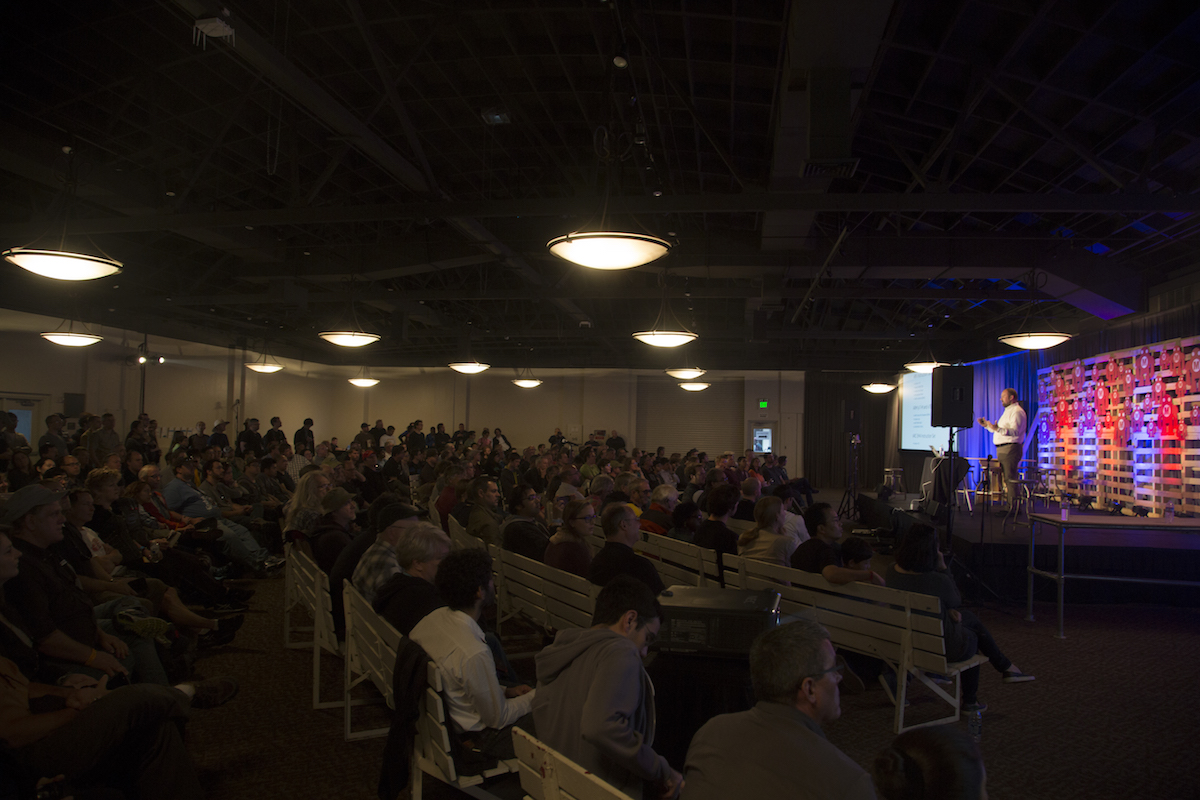
As is tradition, Massimo Banzi will take Center Stage on Saturday at 12:30pm PT for The State of Arduino. 

We look forward to seeing you this weekend in Zone 2! For more information on the program and venue, be sure to check out the Maker Faire website. 

Development Boards Galore at Maker Faire Bay Area

If you come to Maker Faire Bay Area 2018, you'll get the chance to learn about and see plenty of different development boards in action.

Read more on MAKE

The post Development Boards Galore at Maker Faire Bay Area appeared first on Make: DIY Projects and Ideas for Makers.

Togglit is a DIY automation kit for your home

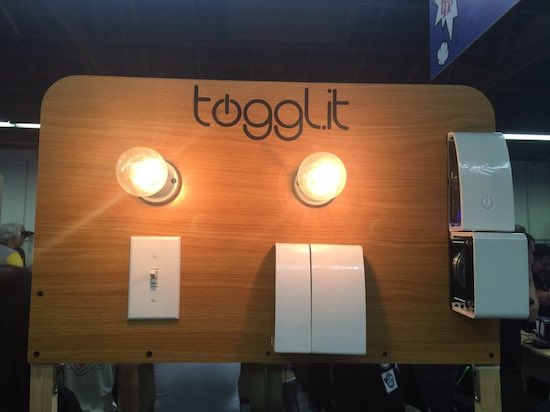
A few years ago, Integreight set out to turn your smartphone into more than 40 different Arduino shields. Now, the creators of the 1Sheeld have launched an open-source, fully-customizable home automation kit that will enable you to control your door locks, light switches and power strips using that very same mobile device.

“Togglit” can be assembled without any programming, wires, or hassle — only a screwdriver. For its debut at Maker Faire Bay Area, the connected interface was based on an Arduino Uno and 1Sheeld; however, the startup’s founder Amr Saleh notes that it can run on virtually any hardware platform, ranging from Raspberry Pi to other Wi-Fi products.

At the moment, Togglit is compatible with typical toggle light switches, standard deadbolts, as well as American and European power outlets. Ready to make your house smarter? The DIY kit is currently available for pre-order.

Arduino Create is a one stop shop for Makers

More than 10 years ago, we set out to simplify electronics with easy-to-use, open-source hardware. 10 years later, we’re looking to do the same for Internet of Things development with Arduino Create — an integrated online platform that enables Makers to write code, access content, configure boards, and share projects.

Traditionally speaking, going from an idea to a fully-functional IoT device has been a tedious process even for the most advanced engineers and developers. Until now, they would have to frequently switch back and forth between various tools and screens, from IDEs to cloud services. That’s why Arduino has set out to launch a one stop shop for the Maker experience, which will change the way you create, collaborate and communicate with your projects and the rapidly growing community.

Whereas many companies deliver IDEs, some offer clouds and others curate DIY projects, Arduino Create converges all of that under one roof for an entirely fragmented-free user experience. Designed to provide Makers with a continuous workflow, the new platform connects the dots between every part of a Maker’s journey from inspiration to installation. Ideally, you will now have the ability to manage every aspect of your project right from a single dashboard.

With Arduino Create, you can tap into the power of the community on the Arduino Project Hub by browsing a collection of projects and then making them your own. You can share your creations, along with step-by-step guides, schematics, references, and receive feedback from others.

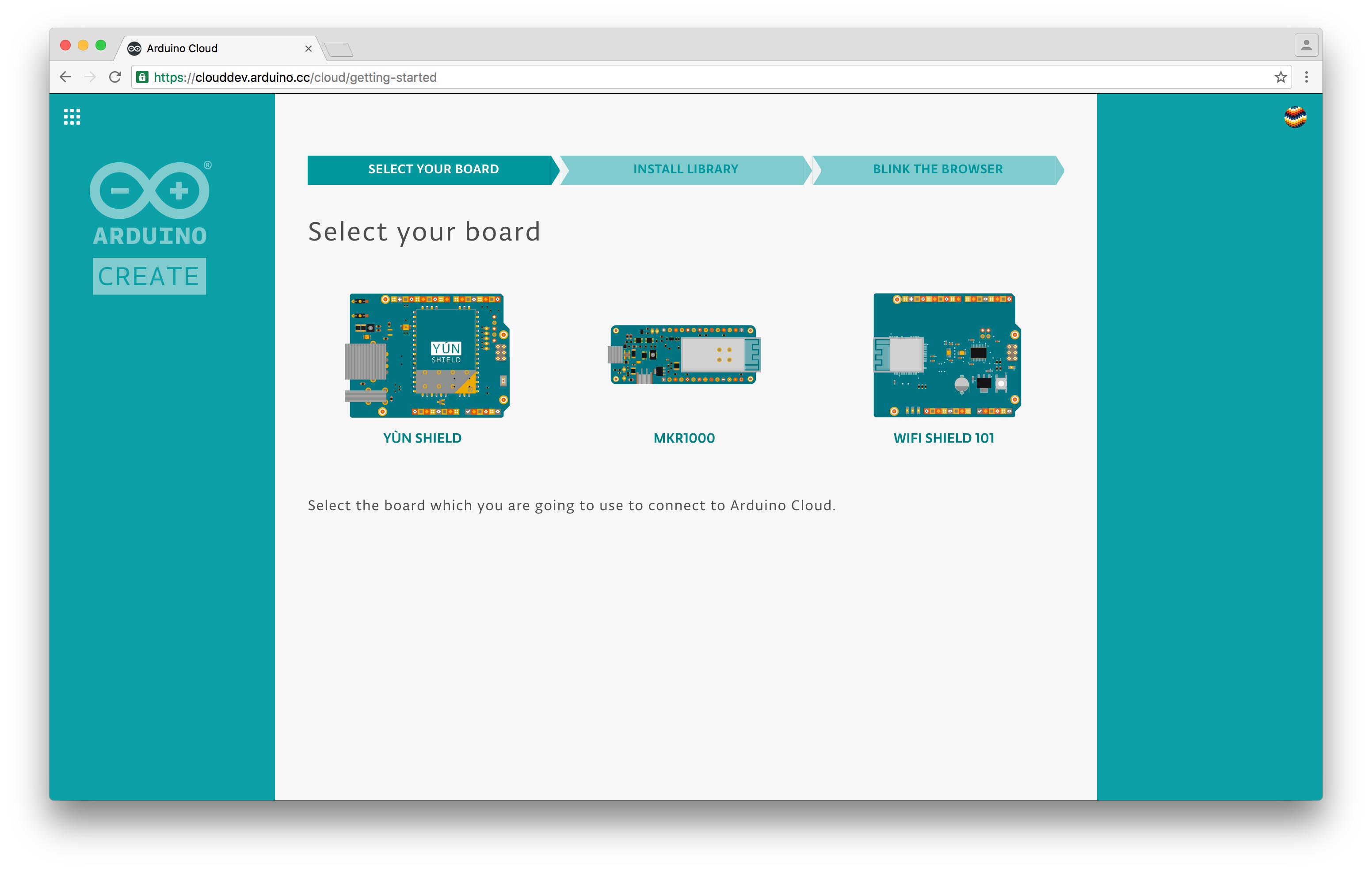
Despite your skill level, Arduino Create features in-depth guided flows to help easily configure online services like the Web Editor and Cloud. There’ll even be an additional learning component via Arduino’s popular Creative Technologies in the Classroom (CTC) educational program in the near future that will spark collaboration between teachers and their students.

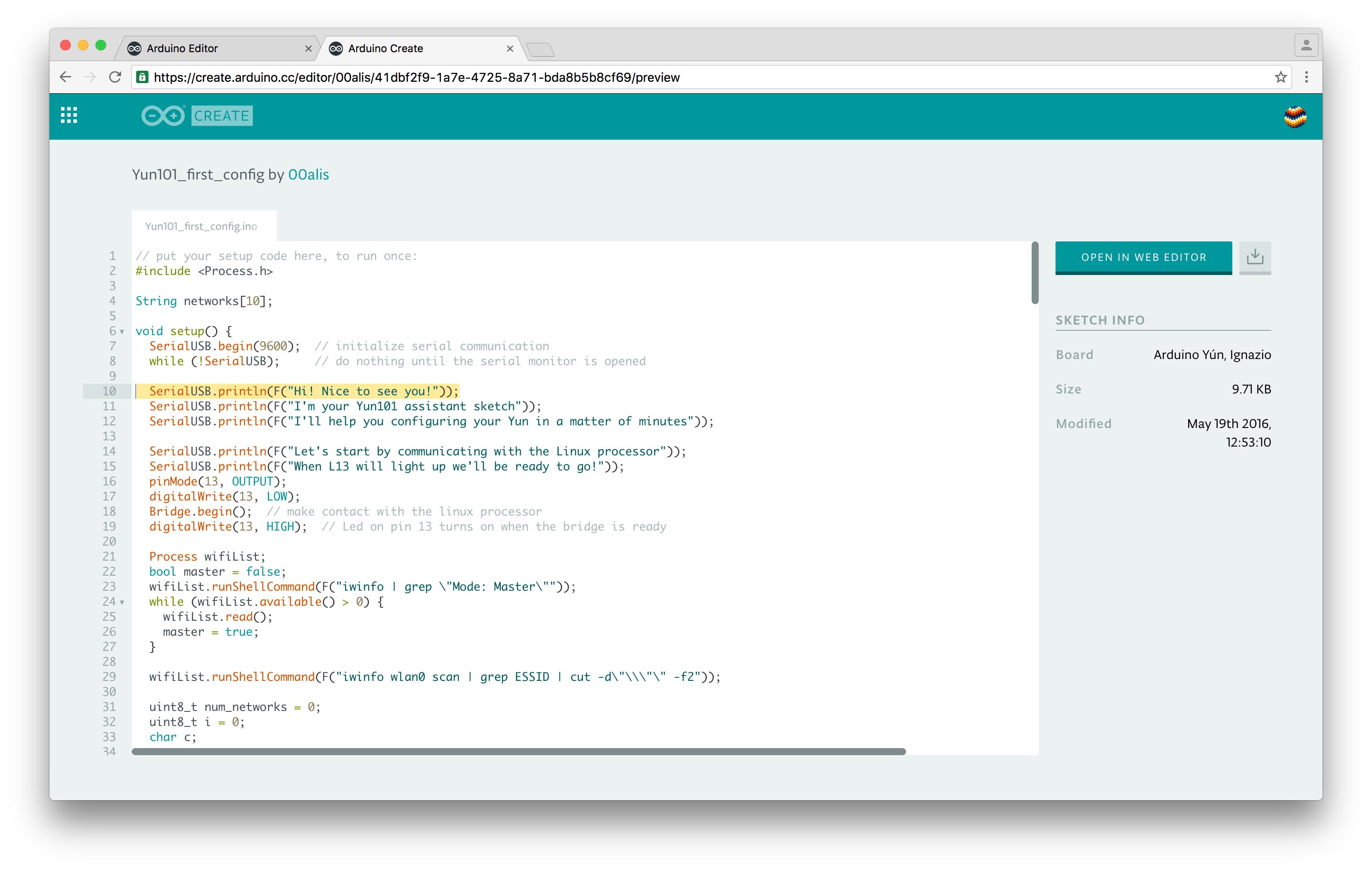
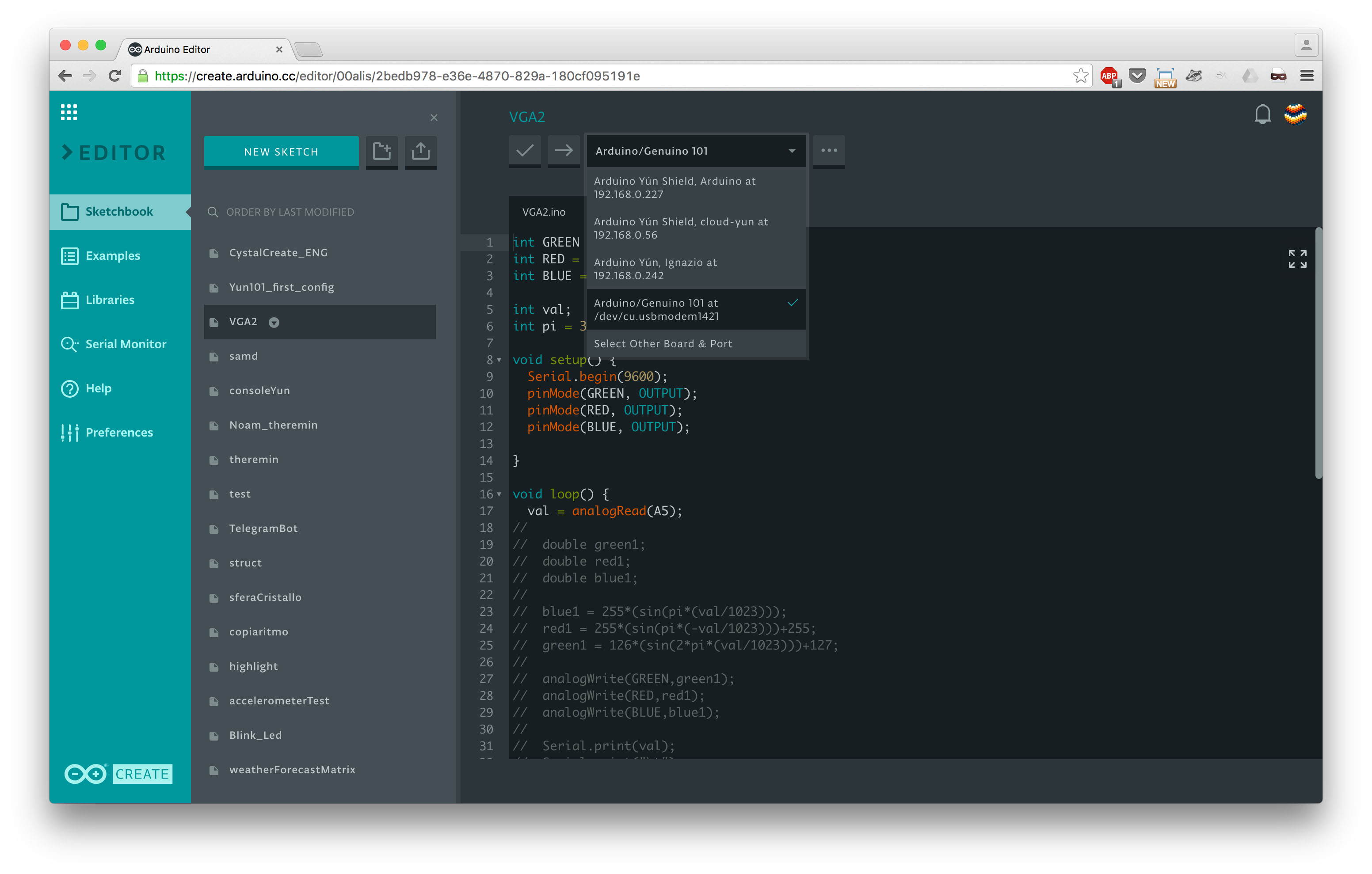
The Arduino Web Editor allows you to write code and upload sketches to any Arduino or Genuino board after installing a simple plug-in — your Sketchbook will be stored in the cloud and accessible from any device. You can even import your Sketchbook via a .zip file! What’s more, sharing a sketch is now as easy as sharing a link.


For Maker Faire Bay Area we are bumping up the number of beta testers for the Arduino Web Editor: the most active contributors will receive 10 invites each! If you’d like to contribute to the development as well, you can sign up on the waiting list to join more than a thousand testers.

It should also be noted that Arduino has partnered with Amazon Web Services to power the new Arduino Create ecosystem. “By adopting AWS IoT and AWS Lambda for our IoT Cloud infrastructure, we provide Arduino Cloud and Arduino Web Editor users with a secure, reliable, and highly scalable environment that will enable Makers to connect their projects to the Internet and manage them through the Cloud,” says Arduino co-founder Massimo Banzi.

Interested in learning more? Maker Faire goers can hear all about it from Massimo himself on Saturday, May 21 at 12:30pm in his annual “State of Arduino” address.

Bringing technology into the hands of teachers and students


Arduino and Genuino Education is a worldwide-leading school initiative bringing technology into the hands of teachers and students to create a more inventive learning experience. It offers multiple platforms, including research-based projects like PELARS and in-class programs such as Creative Technologies in the Classroom (CTC), all of which are present at this year’s Maker Faire Bay Area.

With CTC, students are able to learn basic programming, electronics, and mechanics concepts in an approachable, playful way through a series of coding projects and easy-to-assemble experiments.

Arduino’s one-of-a-kind STEM program has been implemented in nearly 500 schools throughout the globe, resulting in an overwhelming satisfaction rate among both students and teachers alike. 95% of instructors continue to use the curriculum in their classrooms year after year, while more than 13,000 students have already participated.

CTC 101 — running on Arduino 101 — is divided into four distinct stages:

  1. Teacher training (one week)
  2. Themed modules (five modules, 10 weeks)
  3. Student projects (nine weeks)
  4. Technology fair (one day)

Each program comes with a CTC 101 Toolbox consisting of:

  • Sets of electronics components and pre-cut mechanical parts
  • 25+ hands-on projects
  • Live training for teachers
  • Free online documentation and course materials
  • Support forums for teachers and students

Interested? Be sure to come visit us at Maker Faire Bay Area to learn more and fill out this form so we can get in touch!