Posts with «featured» label

Check the time on a glow-in-the-dark UV LED clock

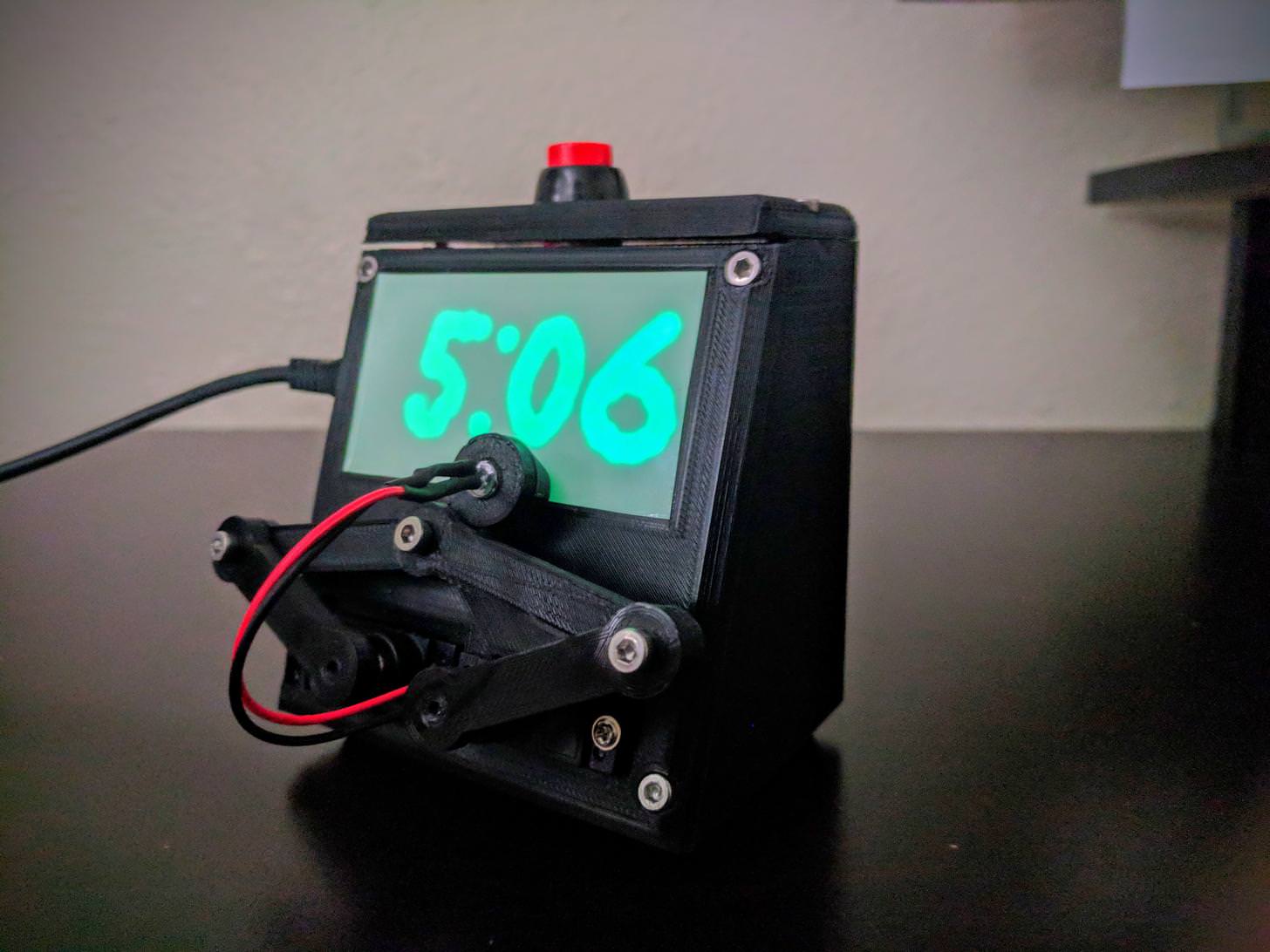
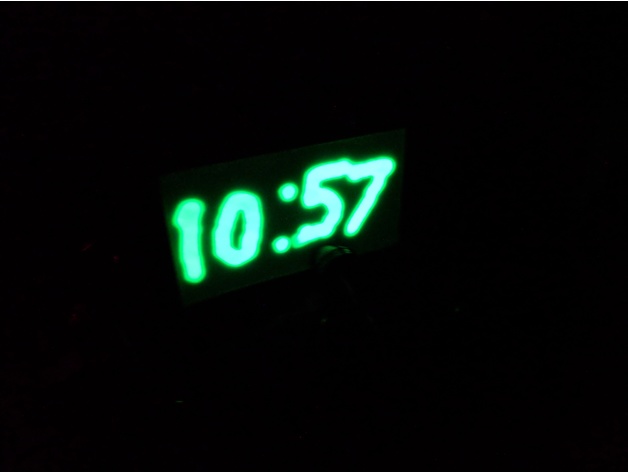
If you thought plot clocks that write on a tiny whiteboard were cool, this project takes things to the next level, jotting down the time not with a dry-erase marker, but with a UV LED on a glow-in-the-dark sticker.

The device itself uses an Arduino Uno for control, along with a RTC module for timekeeping, and a pair of servos that move the LED with custom linkages.

In addition to an awesome looking glow-surface, the clock has been upgraded with a full 3D-printed enclosure. For a quick overview of the project, you can check it out on Imgur. If you’d like to build your own, all the Arduino code and print files are available on Thingiverse.

A beautifully finished Arduino temperature and humidity sensor

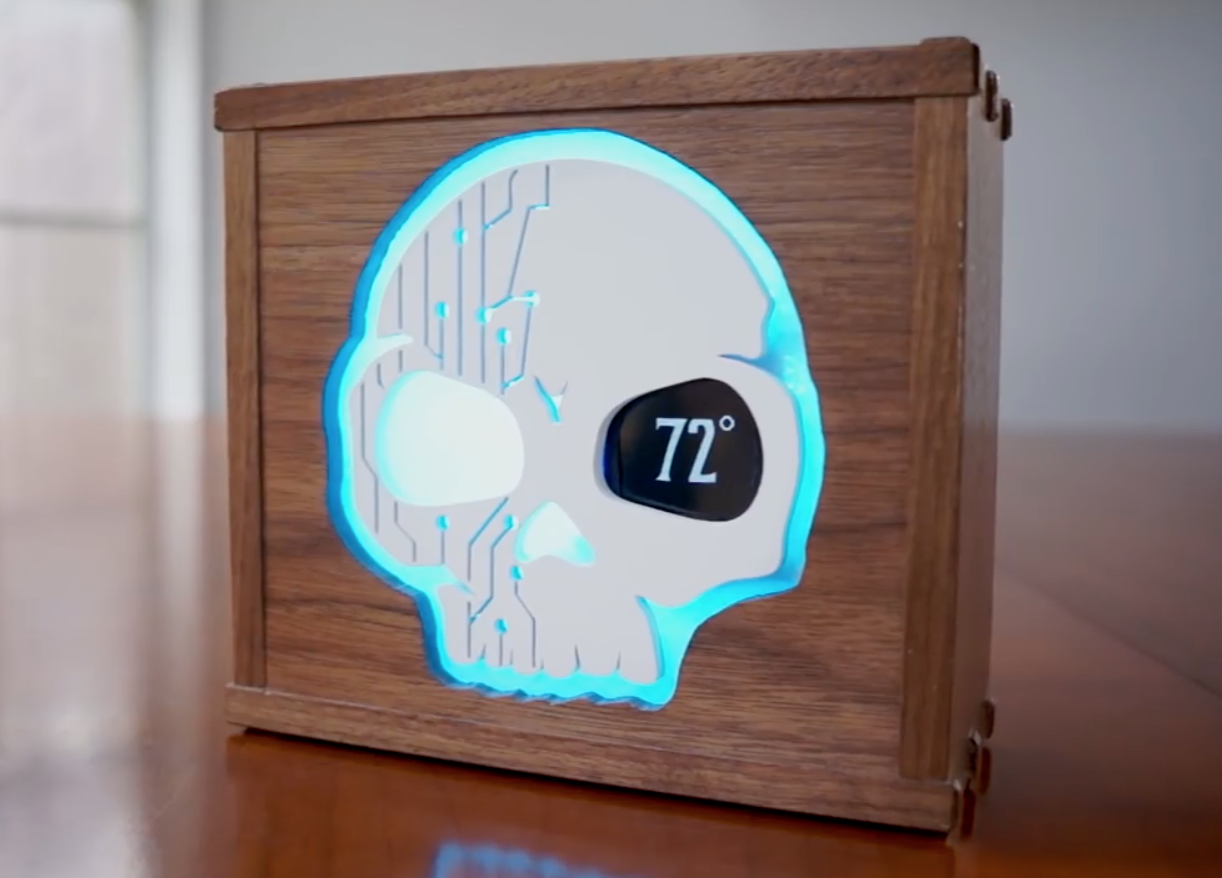
Jay and Jamie wanted a temperature and humidity sensor for their workshop. Instead of buying something off the shelf or hooking up an Arduino with the proper sensor and breadboard, they went the extra mile.

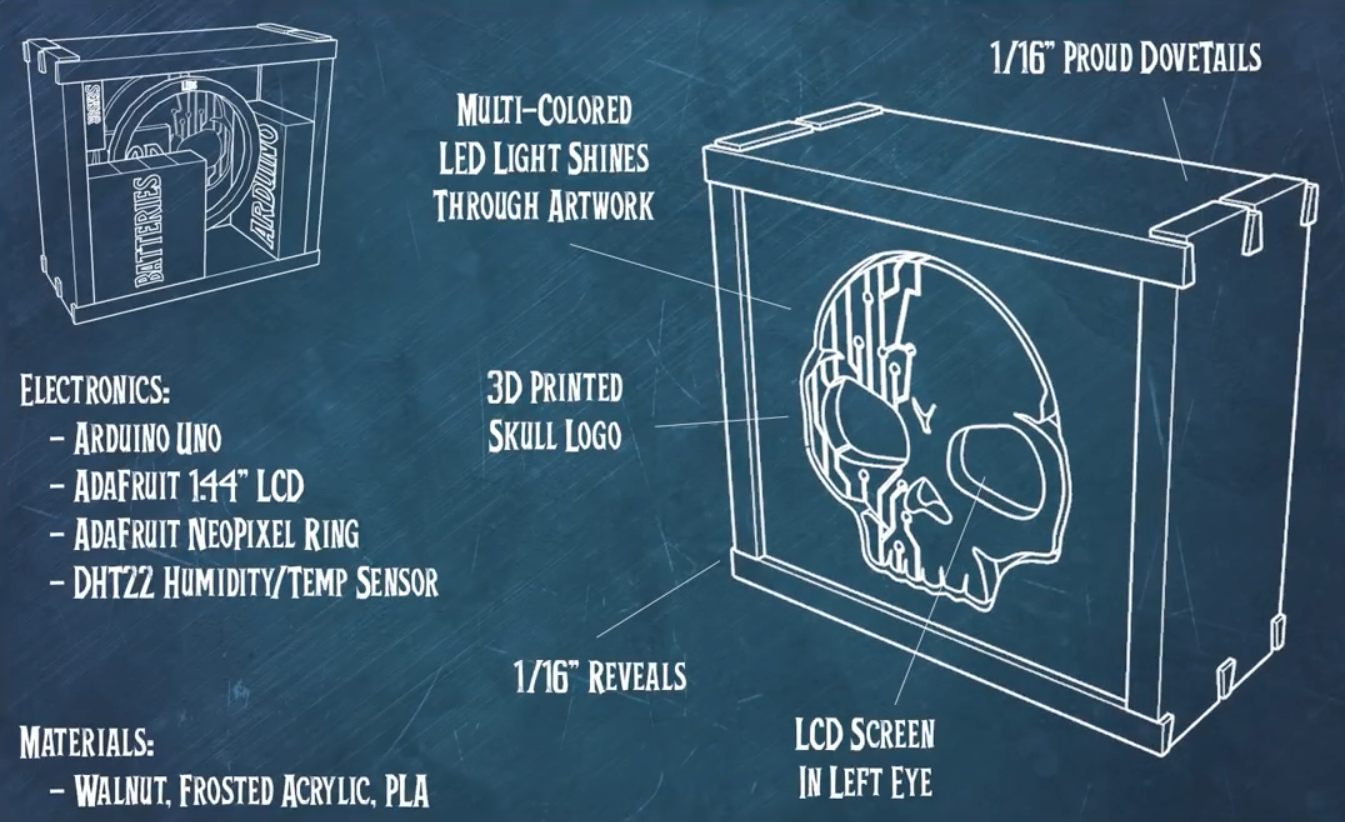
The duo crafted a beautiful walnut enclosure—compete with a 3D-printed logo and a clever opening for the temperature display using an LCD screen. Humidity is indicated by the color of a NeoPixel ring, which shines through the artwork via a frosted plastic as a diffuser.

It’s immaculate on the outside, while hot glue is used extensively inside to hold everything in place. An Arduino Uno powers the build, attached by a handy plastic case.

We live in Central Texas where we get massive swings in humidity and temperature in the spring, which can be disastrous for certain woodworking projects. This cool project helps alert us when the humidity is changing or starts to get high so we can take precautions like moving our wood projects into the house, or not doing any milling during the high humidity weather. It also looks awesome and has our sweet logo.

Be sure to check out their entertaining video for lots of tips and tricks to make your project look excellent!

Desafío STEM 2017/18 in Spain

Telefónica Educación Digital, the education branch of Spanish telecommunications company Telefónica, arranged a contest for students in the fields of Science, Technology, Engineering and Math (STEM) for the second year. While the 2016/17 edition of the contest was launched only in Spain, 2017/18’s took place in Latin America as well. Just a week ago, the jury came to the final result for the current Spanish edition.

In the first edition, we in Arduino Education created an educational kit and content to assist a team of mentors that would in turn work with teachers all across Spain in helping them building projects within the limits of the contest. In the 2017/18 edition, we collaborated on a series of webinars for teachers hosted last fall. In both editions, I have acted as one of the jury members. The level of projects is pretty high in average. Considering that many of the participants come from secondary schools, it is quite impressive to see how they embrace the latest technological developments like IoT or VR and make meaningful projects out of those.

The winners of the Spanish version of the contest are invited to a trip to CERN to visit the place where things happen in science: the particle accelerator. Over 1,500 innovations were presented by seven-member teams within the categories established by TED: IoT, Industry 4.0, e-health, digital education, cybersecurity, and other technological projects. From those 1,500, the jury had to work really hard to come up with the final results. If you are among the non-chosen ones, you should know that the gap between the top 50-or-so projects was incredibly tight.

The following list highlights the four teams that were awarded by the jury. I have translated the information about the teams, but the videos from the students are only in Spanish. I hope you will find them as thrilling as I do!

Project 1

  • Title: AGROTECH
  • Topic: Livestock automation system
  • Level: Advance (junior high and vocational education)
  • Theme: Industry 4.0
  • School: Instituto de Educación Secundaria LOS OLMOS
  • City: Albacete
  • Description: AGROTECH implements a prototype to automate the systems to manage livestock. Using Arduino and a series of sensors, it is possible to monitor and refill the livestock’s food and water, control the light and ventilation of the stables, report alarms like fire or intrusions and eliminate leftovers. All information is captured in real-time and displayed on a website.

Project 2

  • Title: Virtual Detective (Detective Virtual)
  • Topic: Virtual reality spaces
  • Level: High (upper secondary)
  • Theme: Digital education
  • School: Colegio María Virgen
  • City: Madrid
  • Description: Virtual Detective is a virtual, guided tour to the school. The students have hidden a series of challenges along the way that are related to different school subjects. The virtual space is a gamified version of the class that helps the kids learn in an alternative way.

Project 3

  • Title: Recycling Is for Everyone (REPT, Reciclar Es Para Todos)
  • Topic: Other technological projects
  • Level: Junior (lower secondary)
  • Theme: Digital education
  • School: Colegio Santo Domingo
  • City: Santa Cruz de Tenerife
  • Description: REPT is a trash bin prototype that can classify the leftovers and will run a lottery among those recycling once the bin has been sent to the recycling station.

Project 4

  • Title: ALPHAPSI
  • Topic: VR platform for the diagnosis and treatment of students with special educational needs
  • Level: Advance
  • Theme: Digital education
  • School: Colegio Calasancio Hispalense
  • City: Sevilla
  • Description: ALPHAPSI consists of an application made in Processing that connects to a VR head-mounted display capable of detecting the wearer’s head movements. Thanks to a series of tests consisting of tracking an object moving in the VR space, the system can follow the movements and will help generating a diagnosis and treating students with attention disorders.

The Desafío STEM project is an initiative of Telefonica Educacion Digital and their project STEMbyme. 

These interactive hair extensions can communicate over Bluetooth

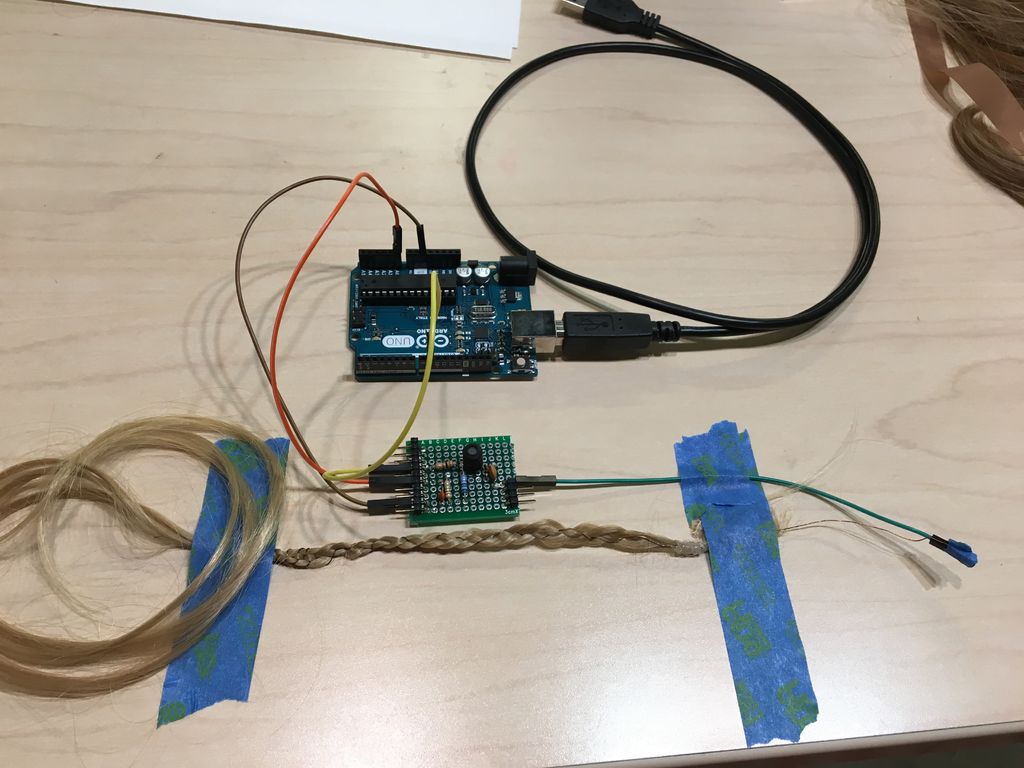
For the most part, the next generation of wearable technology development has been focused around your wrist, arm, ears, and even your face. Hair, however, remains a unique and much less explored material… until now, at least.

That’s because the team of Sarah Sterman, Molly Nicholas, Christine Dierk, and Professor Eric Paulos at UC Berkeley’s Hybrid Ecologies Lab have created interactive hair extensions capable of changing shape and color, sensing touch, and communicating over Bluetooth. The aptly named “HairIO” conceals a skeleton of nitinol wire, a shape memory alloy (SMA) that morphs into different forms when exposed to heat. An Arduino Nano handles control, enabling it to respond to stimulus such as messages from your phone using an Adafruit Bluefruit board.

That’s not the only trick of these fibers, as they can use thermochromic pigments to change color along with the SMA action, and respond to touch via capacitive sensing.

Human hair is a cultural material, with a rich history displaying individuality, cultural expression and group identity. It is malleable in length, color and style, highly visible, and embedded in a range of personal and group interactions. As wearable technologies move ever closer to the body, and embodied interactions become more common and desirable, hair presents a unique and little-explored site for novel interactions. In this paper, we present an exploration and working prototype of hair as a site for novel interaction, leveraging its position as something both public and private, social and personal, malleable and permanent. We develop applications and interactions around this new material in HairIO: a novel integration of hair-based technologies and braids that combine capacitive touch input and dynamic output through color and shape change. Finally, we evaluate this hair-based interactive technology with users, including the integration of HairIO within the landscape of existing wearable and mobile technologies.

Be sure to check out the video below and read more in the team’s tutorial here!

Arduino Blog 20 Mar 14:21

Control your computer sheet music with the PartitionsDuino

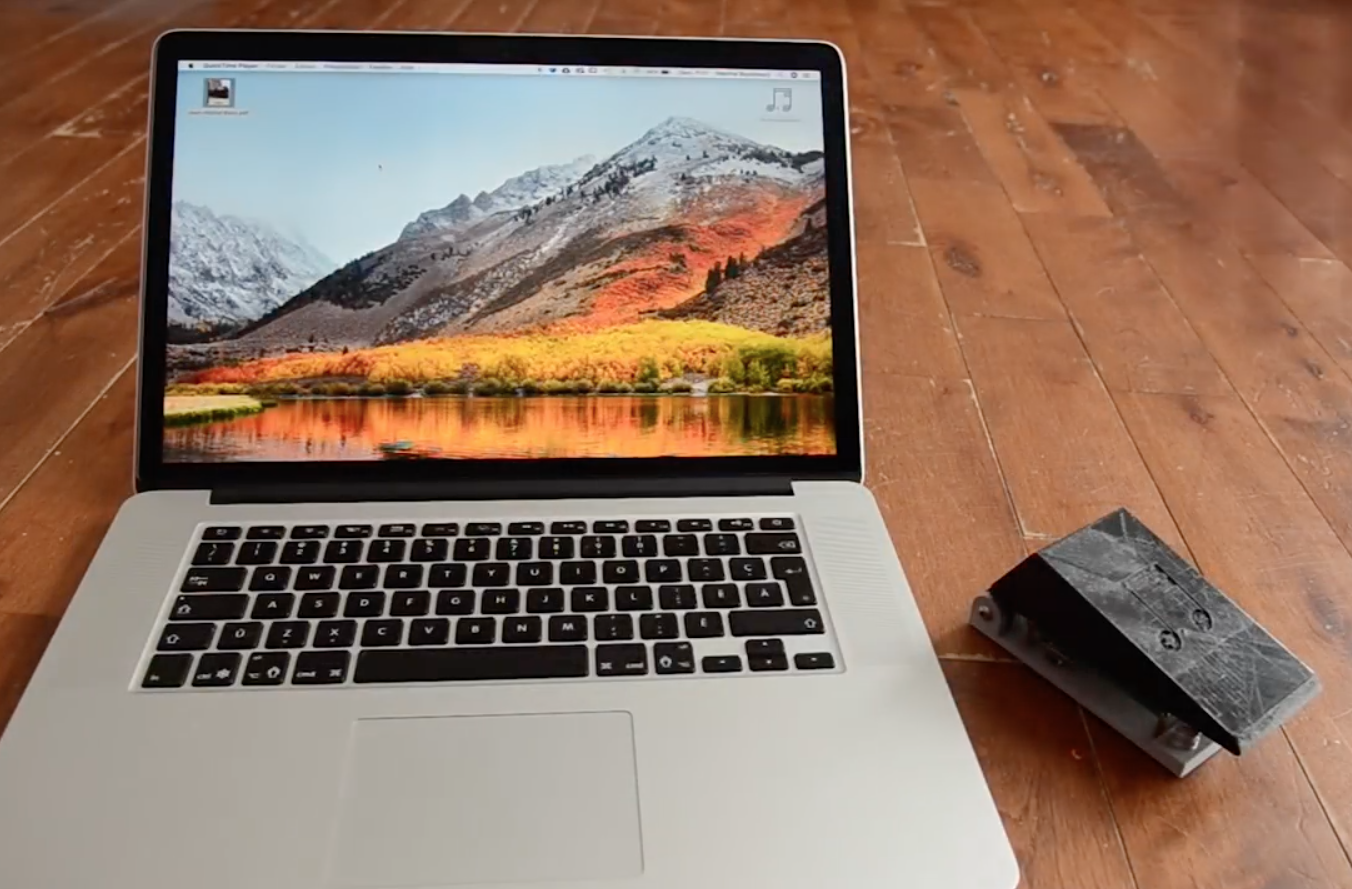
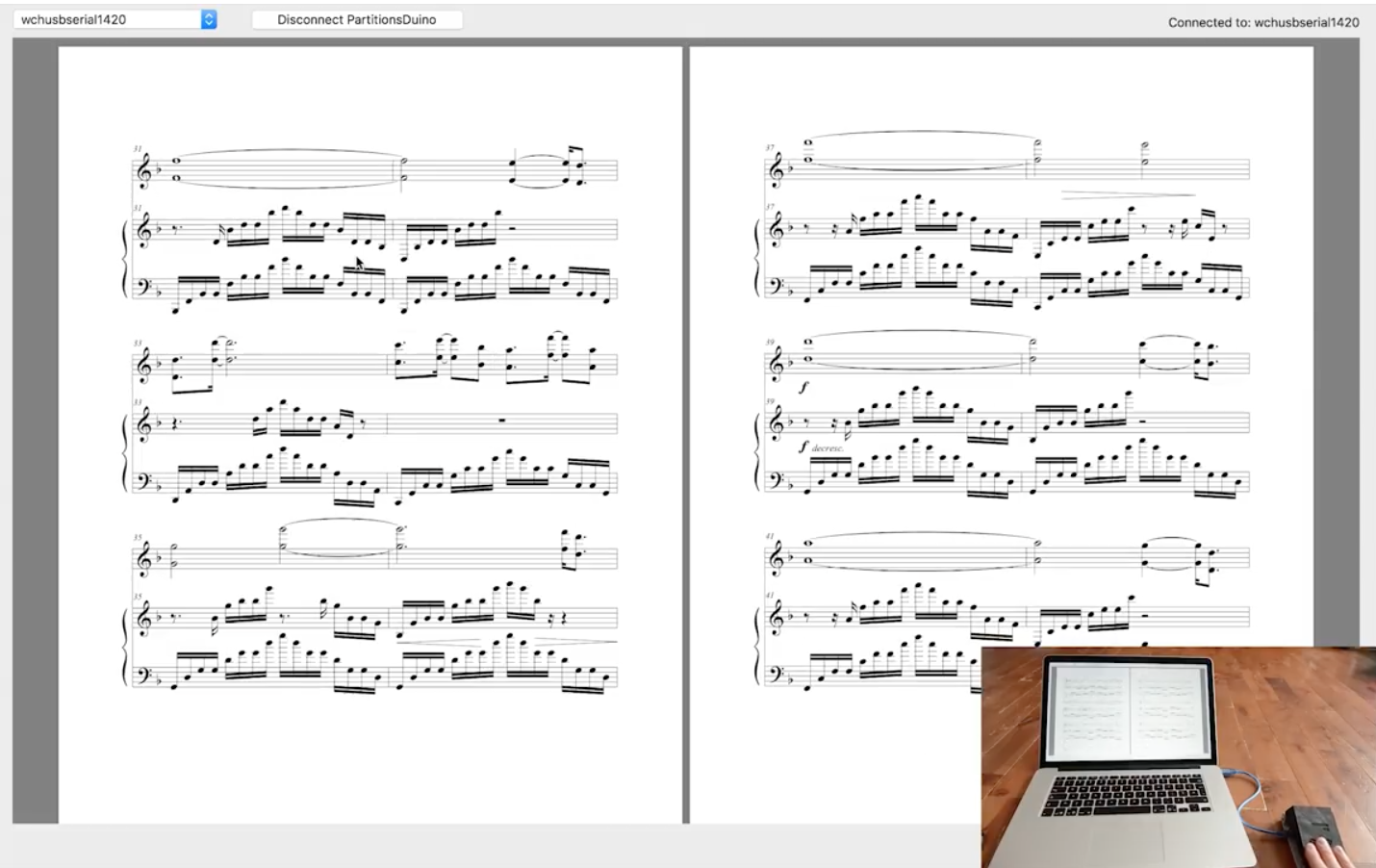
Performing an instrument well is hard enough, but flipping through sheet music while playing can slightly delay things in the best case, or can cause you to lose your concentration altogether. Music displayed on a computer is a similar story; however, Maxime Boudreau has a great solution using an Arduino Nano inside of a 3D-printed pedal assembly.

When set up with software found here, Boudreau’s DIY device allows you to control PDF sheet music on your laptop with the tap of a foot. While designed to work with a macOS app, there’s no reason something similar couldn’t be worked out under Windows or Linux as needed.

Check it out in action below!

This Pong clock displays the time and temperature in score-like fashion

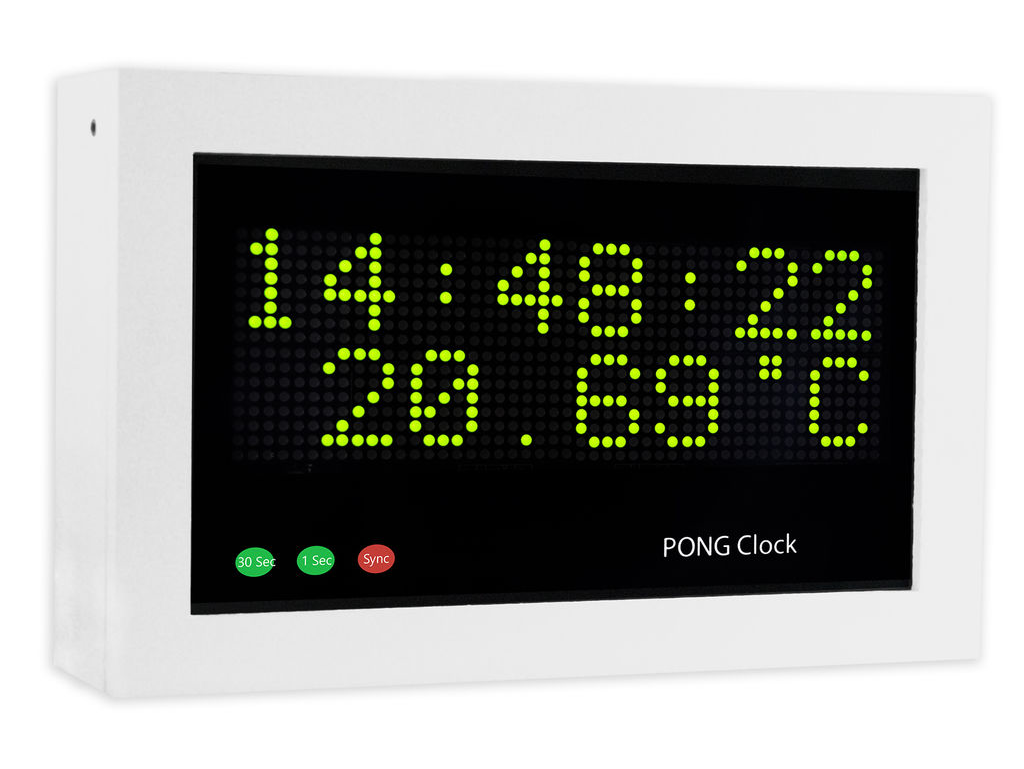
If you need to get creative with something useful, clocks are always great objects to hack together. One idea, in particular, is this Pong Clock from Brett Oliver.

Oliver’s Arduino-powered device is based off of a similar project by Nick Hall, and plays itself in Pong, winning and losing to show the correct time as the score. This version adds a temperature display, countdown timer, and an excellent enclosure made out of what was once a cheap jewelry box.

The results are excellent enough to place in a stylish kitchen or living room, and looks like an approachable build. You can check out the project in the video below and find more details Oliver’s write-up here.

Building interactive plant lamps with Arduino

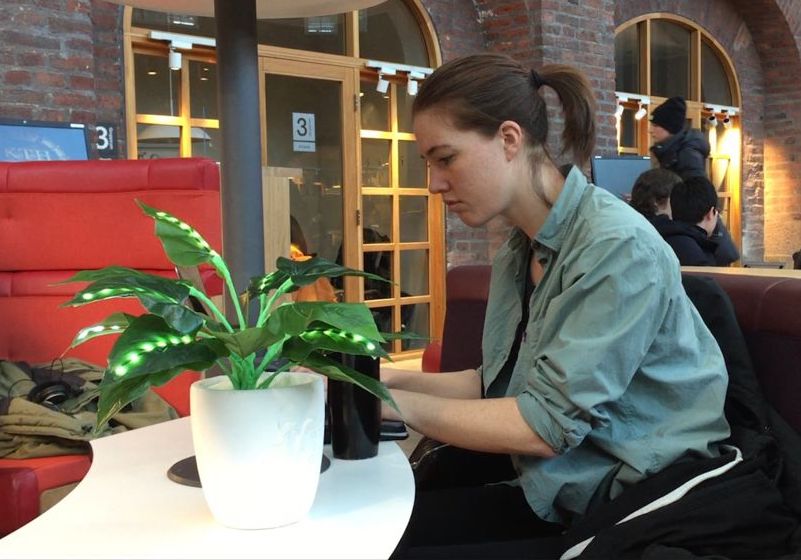
As part of a physical interaction and realization course at KTH Royal Institute of Technology, a team of students decided to build an interactive installation called “Alone Together”

Their setup consists of sensor-equipped, networking artificial plants. The leafy plant model, dubbed “Thorulf,” uses flex sensors to detect leaf movement, while “Svamp” mushrooms employ circular force sensors for interaction.

Arduino Uno boards, along with Bluetooth modules and a computer running an openFrameworks server, allow the plants to communicate. When one plant is bent, it signals its partner to light up with a fun LED pattern as seen in the video below.

We imagine a series of plants all around the Library, assigned to one another to communicate. Our concept could even be applied over the web, so that the plants could be long distances apart, and used to communicate from one country to another, similar to the “friendship lamp” concept. In this case, the light interaction could be changed, so that the plant stays lit up when touched.

More details on the project can be found here.

Antique Coke machine enhanced with Arduino can counter

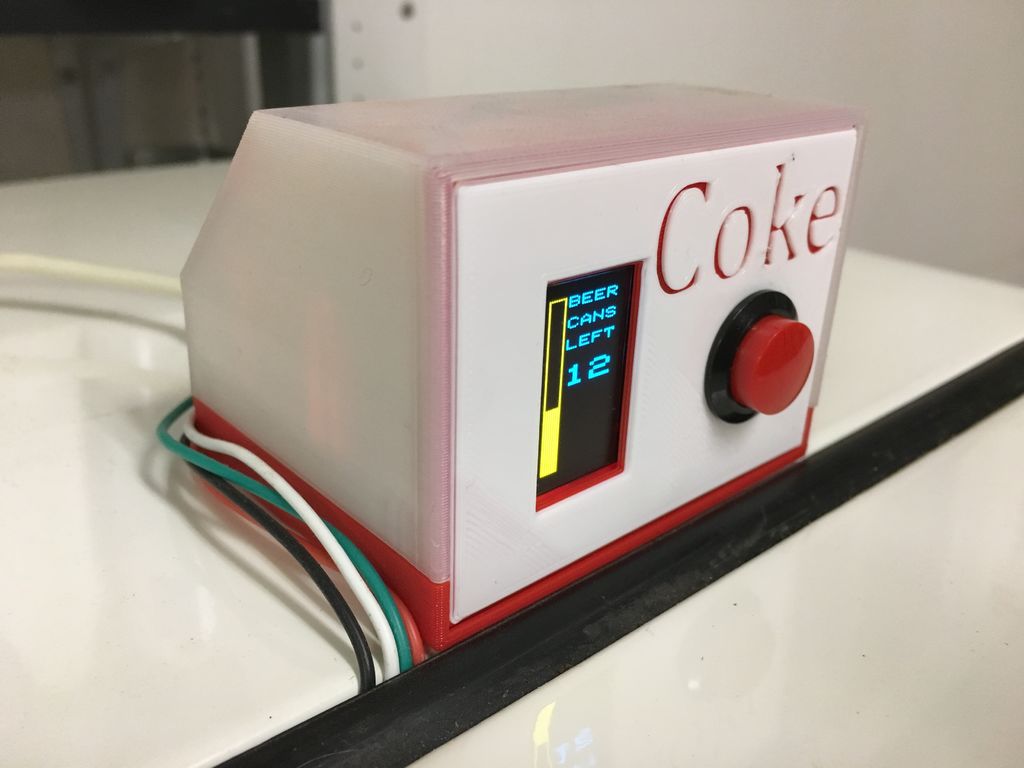
“ChrisN219” is the proud owner of an antique Coke machine that he uses to store his favorite beverages. While a very cool decoration, it doesn’t have a way to reveal how many cans are left.

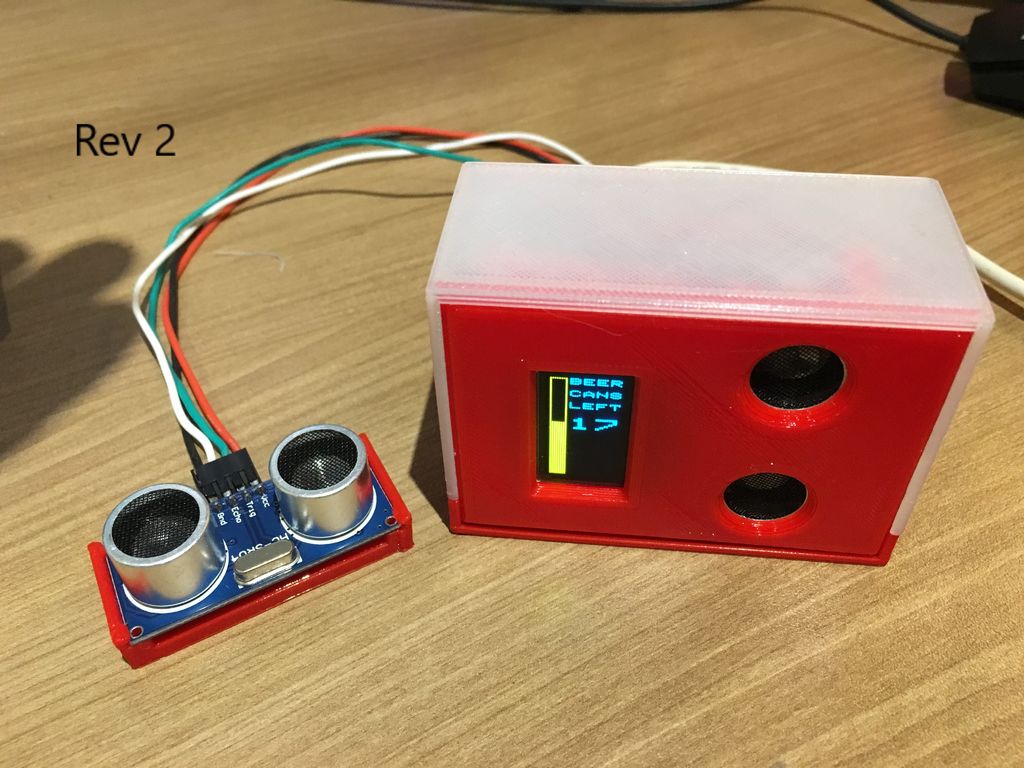
To add this functionality, he turned to an Arduino Nano along with an ultrasonic sensor that he embedded inside the machine to sense how high the cans are stacked. This allows the user to know when it’s time to stock up again, and after inserting another ultrasonic sensor to the display unit on top, an OLED screen automatically shows the sodas (or beers) available as someone approaches it.

If you’d like to build your own, you can find more details, code, and 3D printing files in ChrisN219’s write-up.

We went all the way to the pyramids and found Arduinos!

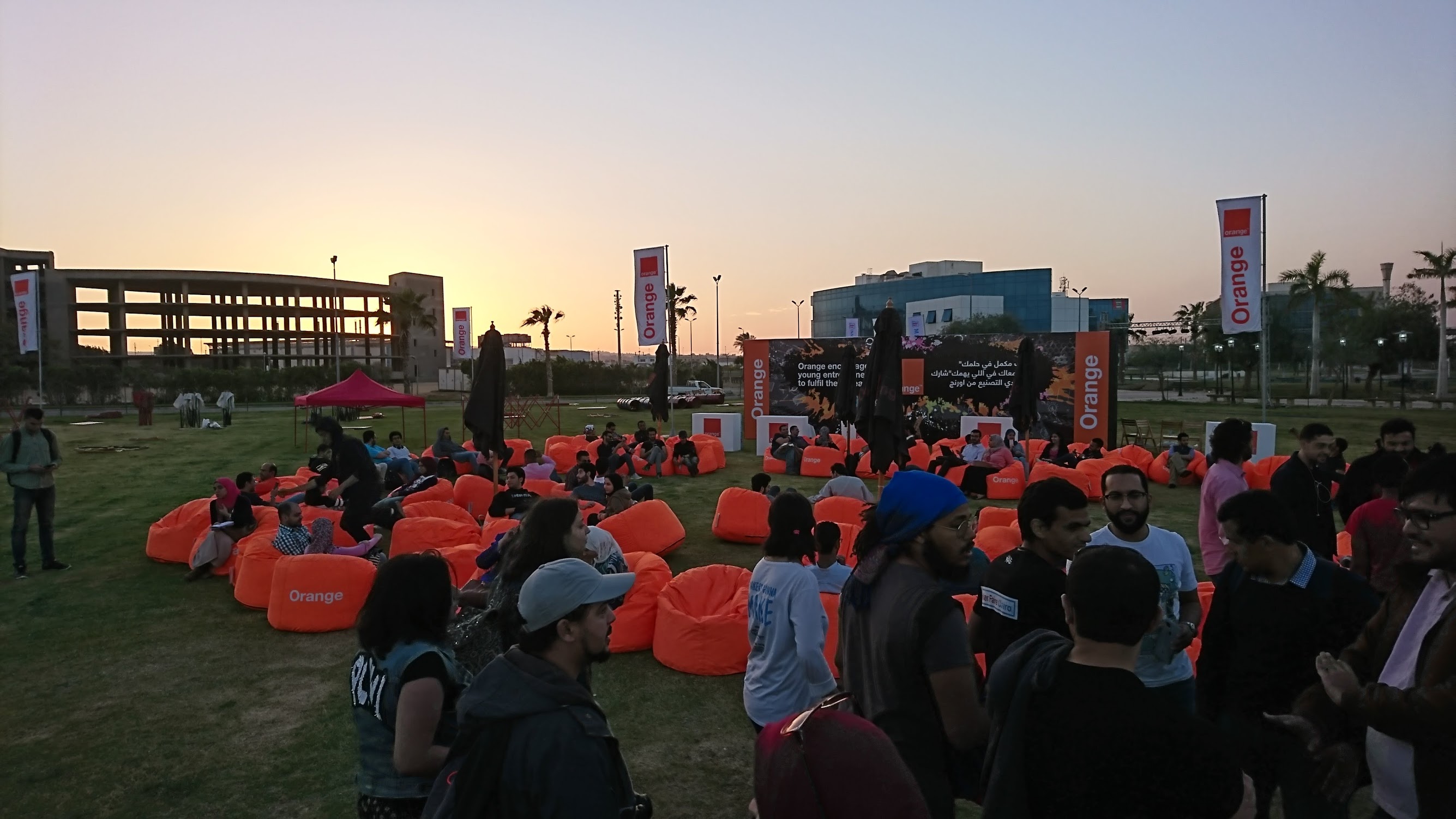
On March 10th, I was a guest speaker at Maker Faire Cairo 2018 as a representative of Arduino. I took the opportunity as I had never been to Egypt and was really curious about the maker culture there. You can imagine that different cultures are always going to adopt ideas in various ways and Maker Faire is a great example for this. If you’ve ever been to Maker Faire Bay Area, where the event is arranged inside some old hangars and known for its steampunk character, then you would realize how very different it is from Maker Faires throughout Europe.

Take for example, Rome, which we help organize every year (and that my partner, Massimo Banzi, curates) whose location changed for several years in a row until finding its place at the Fiumicino exhibition center and features a number of Italian universities and institutions that come and exhibit (in fact, there was a full CSI lab from the Carabinieri, the national police force, at last year’s event); but also from smaller ones like the one in Bilbao, Spain, held at an old cookie factory and that has the compromise to remain small as a way to allow makers to meet and talk to each other.
You’ll ask yourself: what kind of Faire was Cairo then? The truth of the matter is that Maker Faire Cairo is still a small event that gathers about 10,000 people at the gardens of Smart Village, a complex inhabited by tech companies ranging from multinationals to local startups. Thanks to the support of both local and international institutions (namely the U.S. embassy), the crew behind the event put together a remarkable show that is clearly going to grow over the next couple of years.

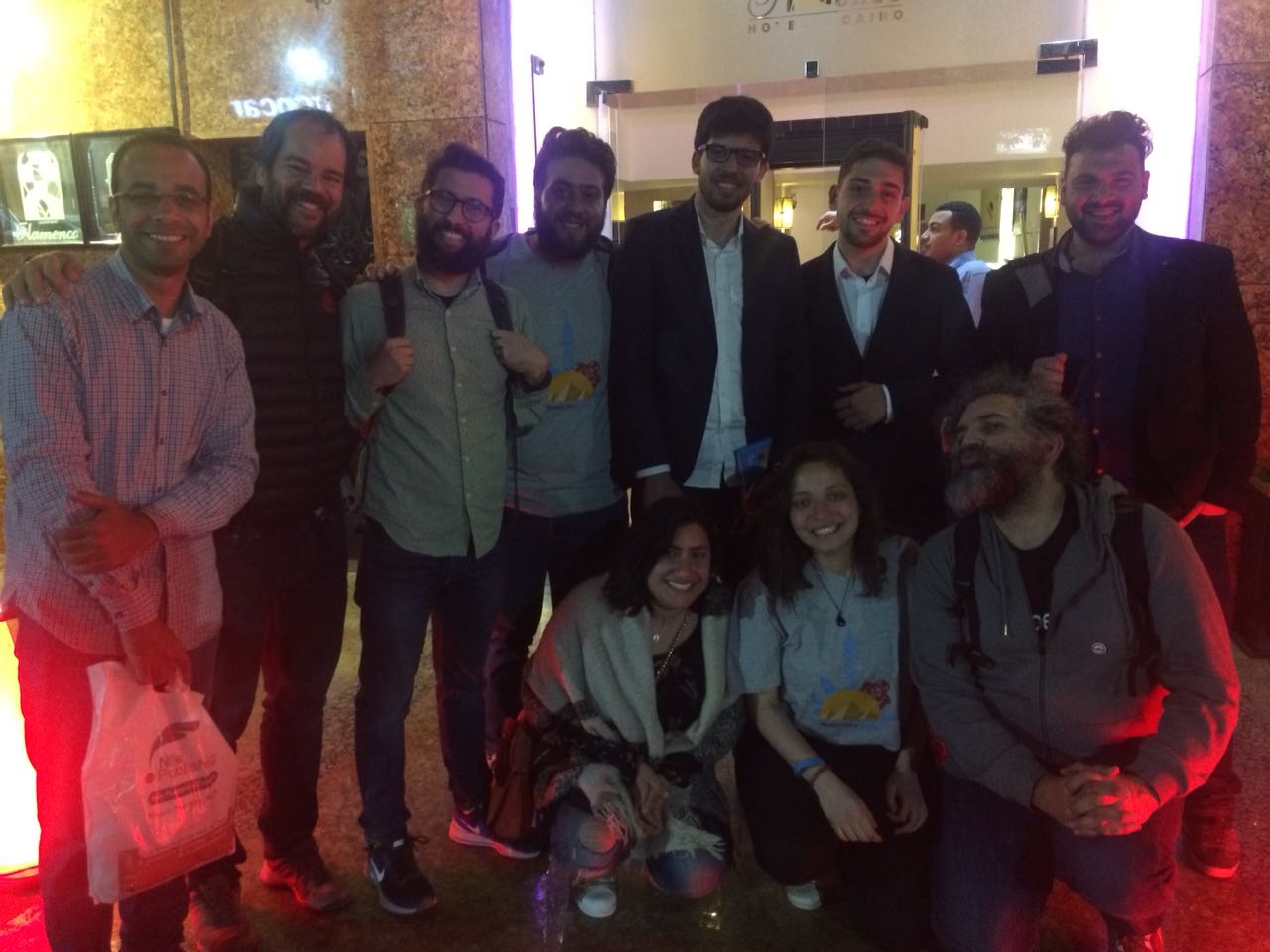
To start, the two days before the Faire, all the international guests and makers were invited to a tour to see the FabLabs, the city, the pyramids, the national museum with the national mummies (hundreds of them), and to get to know one another a little better. Even if I could only join for the second day, I could value the importance of this trip. It also happened in parallel with the Egyptian Maker Week, which was arranged prior to the event in an effort to raise awareness around the Maker Movement and its importance for STEAM education.
But back to the Faire. The whole event happened outdoors; in Cairo it barely rains, so they were running no risk when they decided to book a garden to bring in some open tents and build the booths. Not to mention, the gardens were located by a fountain that kept the air fresh, despite the heat of over 30 degrees Celsius during the day. People are used to the temperature, because nobody seemed to be concerned about it. Besides, it’s all about wearing a cap, sunglasses, and drinking plenty of water.

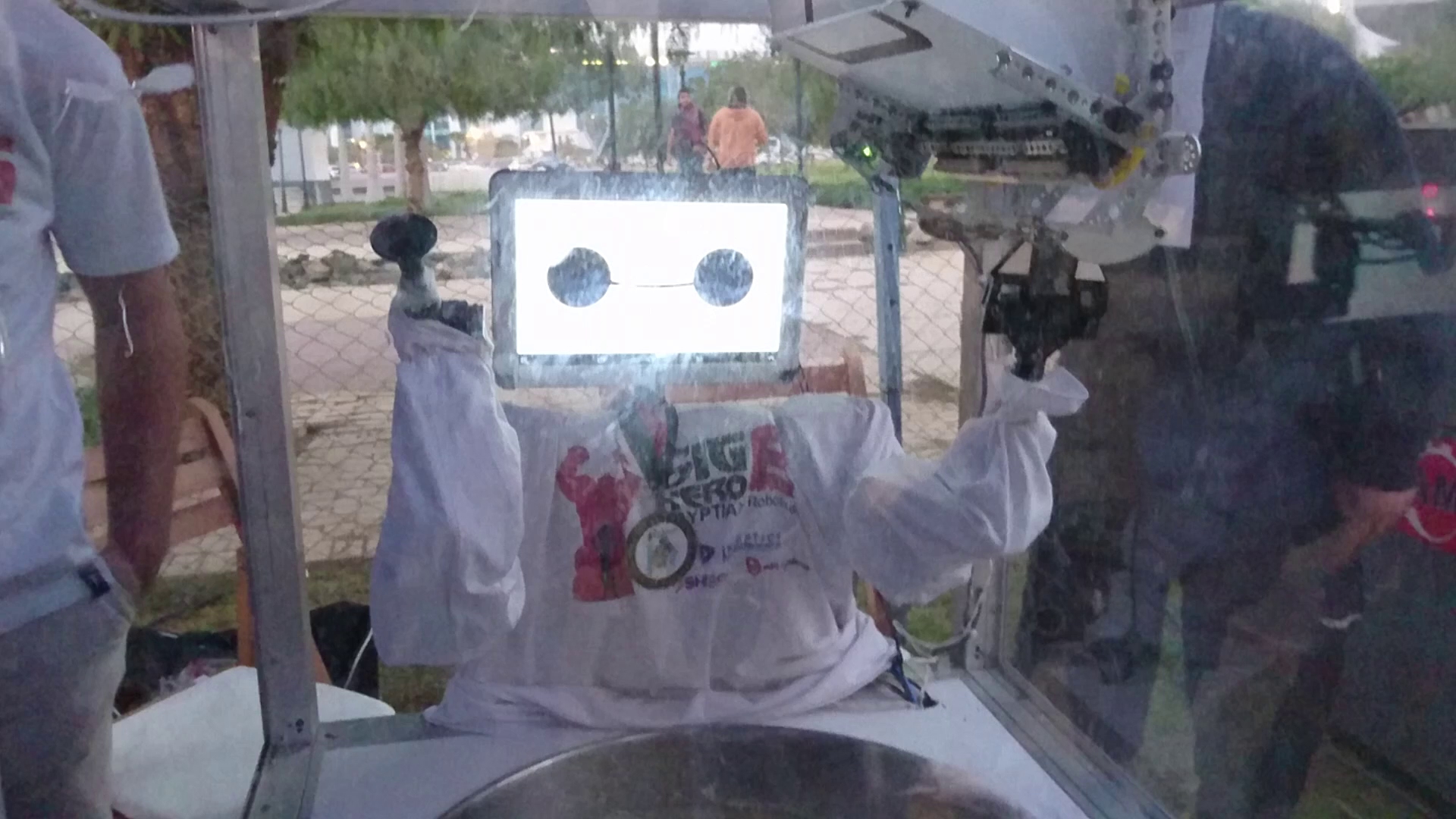
Engineering could be considered the main theme of the Faire. Most of the projects on display, from older and younger makers alike, were exploring different topics within the field of engineering: robots looking for mines, robots making cotton candy, fighting robots, drones, a “formula student” car, a wheelchair that could go up and down stairs, the FabLab Egypt experience, underwater robots, and so on. During my talk, when I asked to the audience about their field of interest, 99% of the people were or wanted to be engineers.
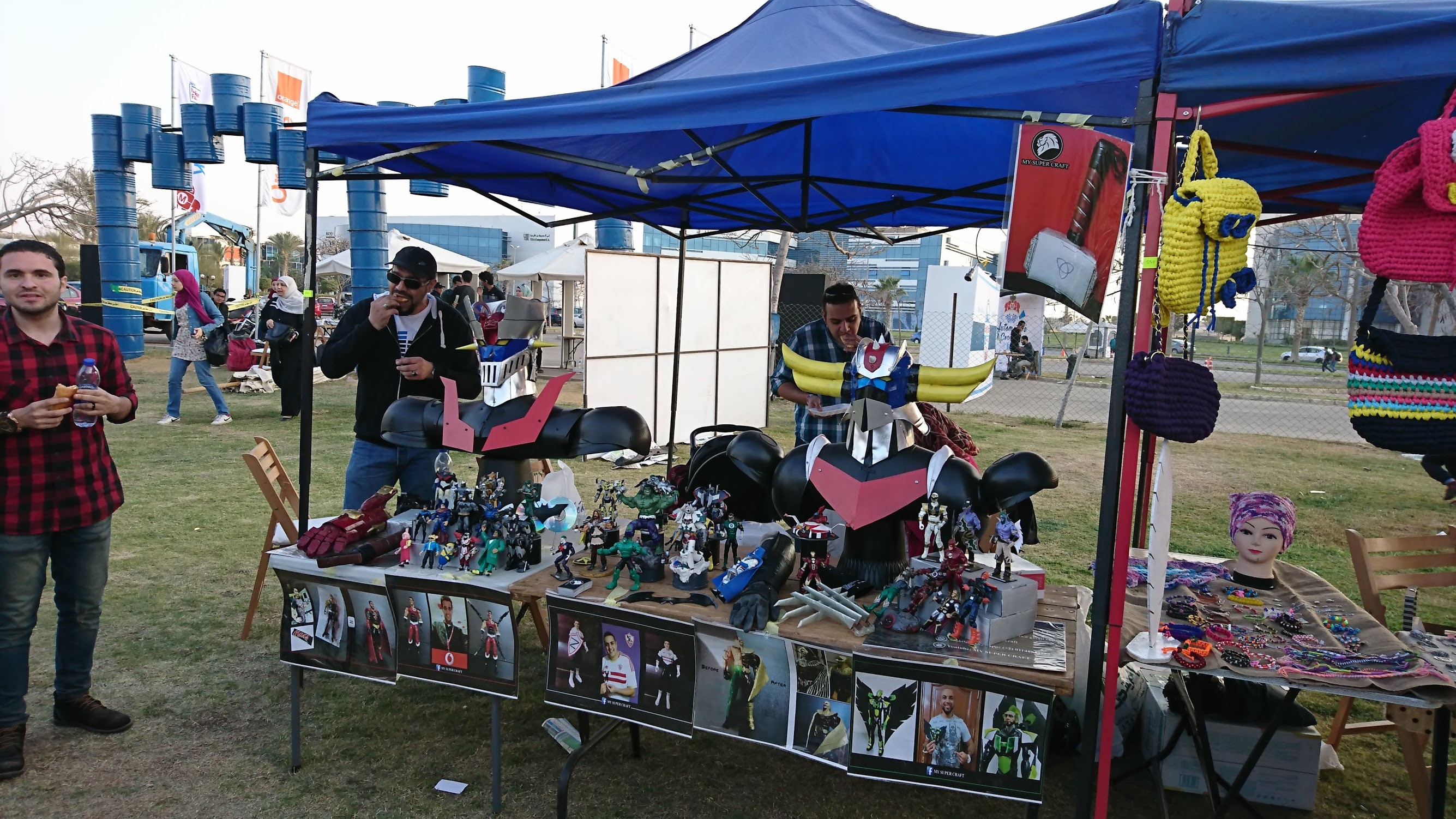
While engineering seemed to be the signature of the Faire, something that should–in my opinion– make the organizers proud about such an achievement is that there were other things going on. There was a decent amount of cosplayers that came to celebrate their geekness. I had the chance to listen to some of the international cosplay guests about how much work goes into creating certain elements of the costumes, particularly the gadgets are the problem, and specially if they have any kind of interactive technology. Yet again, cosplayers weren’t afraid of the heat either, even if their hours-long make-up work could easily be washed away by it.

The FabLab network in Egypt had a great presence with both separate booths for some of the most permanent labs, as well as with their collective booths to show the work they do in promoting the Maker Movement. Some of their initiatives are remarkable, like the “FabLab on wheels:” a van with a mini fabrication laboratory that has been traveling across the country for an entire year and that will continue to do so in the forthcoming future.

Small independent designers presented their work in the field of upcycling; I liked the work from a group that looked at glass, car tires, and wood as basic construction pieces. But I was also nicely surprised by a painter that created his own version of  “projection mapping” using cardboard boxes as a canvas.

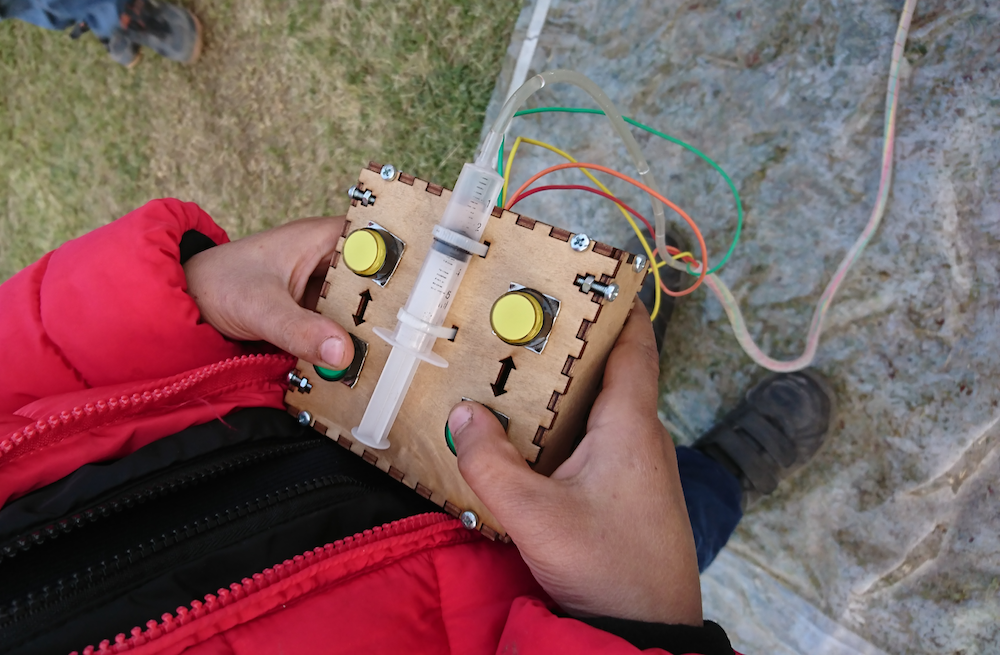
The presence of Arduino at the Faire was simply astonishing. Most robots had something Arduino inside. The aforementioned electric wheelchair was controlled by Arduino Uno boards. There was even a vending machine that accepts cryptocurrency payments thanks to its arducrypto library! I was seriously impressed by the quality of some of the projects I saw.

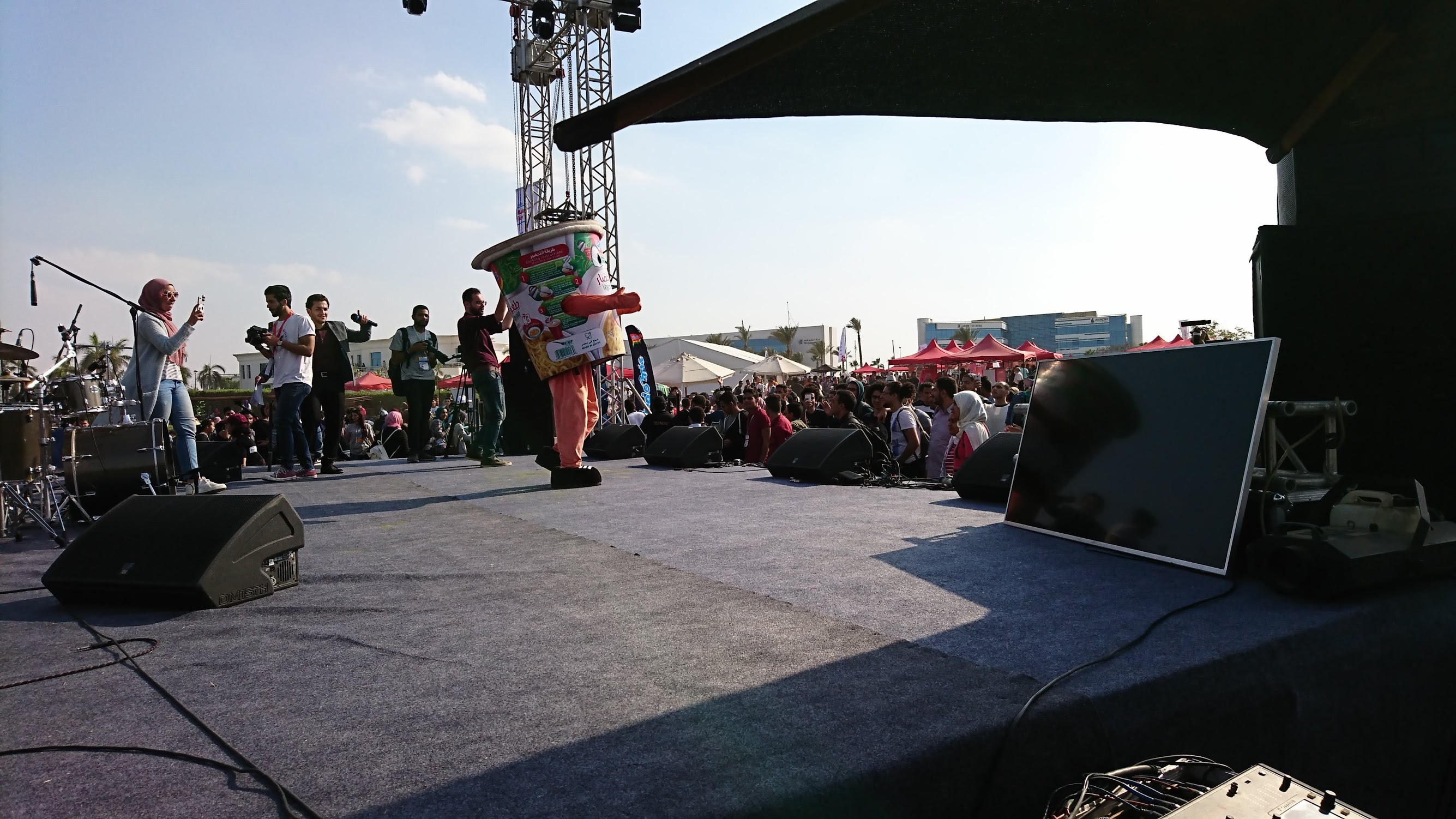
The Faire closed with a concert with hip-hop artists MTM, an Egyptian band that made their comeback at the Maker Faire Cairo. The stage was equipped with the latest LED technologies, huge DMX lights, fireworks… That’s what I call ending in style! The party took place directly on-site, at the main stage. All the makers, cosplayers, and visitors came together to dance and celebrate an outstanding event.

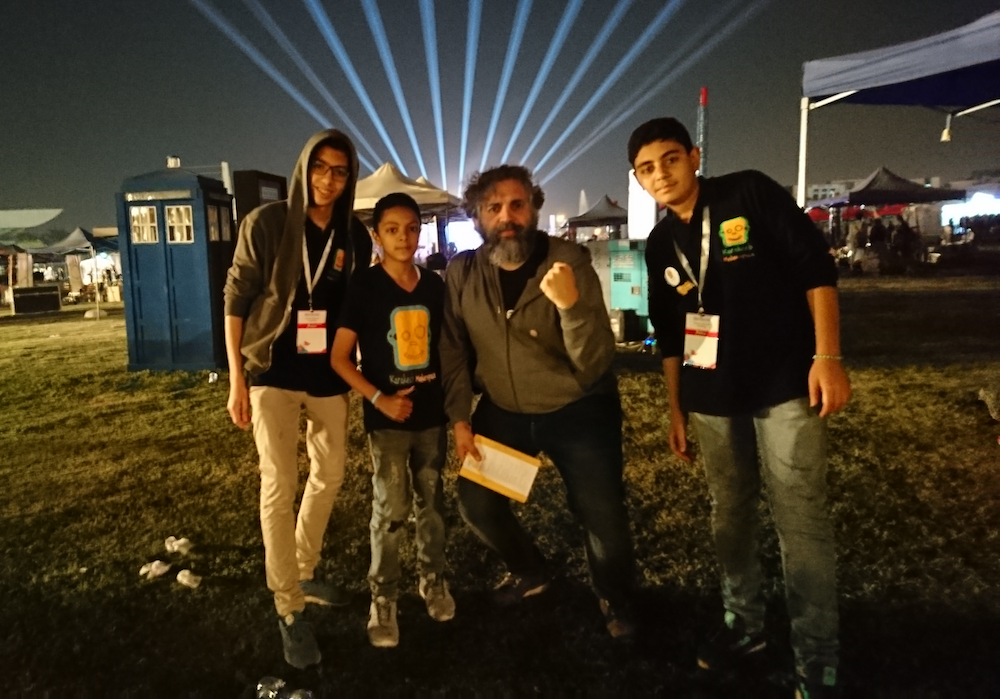
But one cannot talk about something like a Maker Faire and not talk about the people behind it. The speakers, who came from all across the Middle East and beyond–had the best hosts possible: Omar, Ahmed, Madonna (sorry for not mentioning everyone, there were so many volunteers)… To all of you: thanks for a great time and for showing us around!

You can now use Arduino to program Linux IoT devices

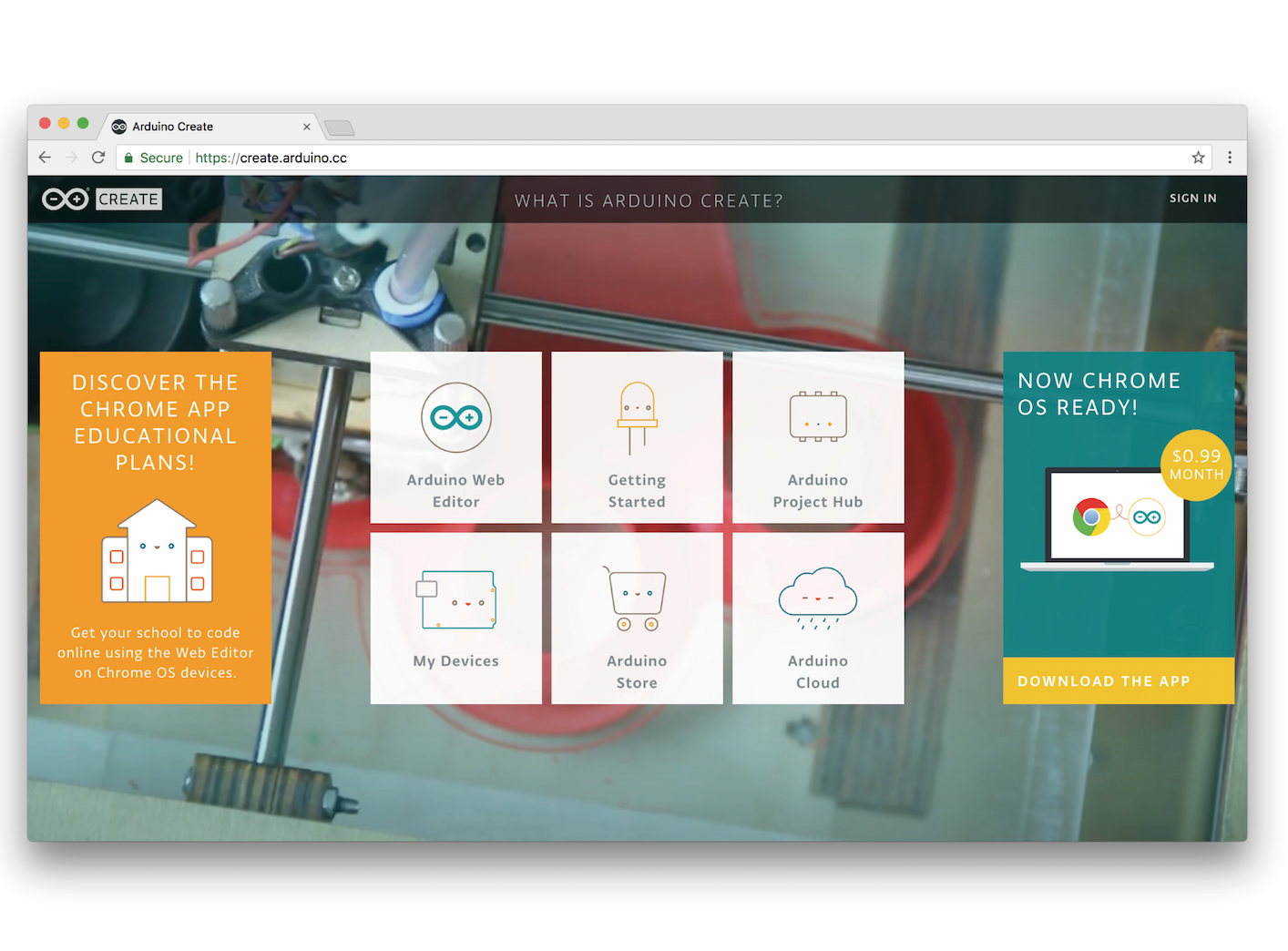
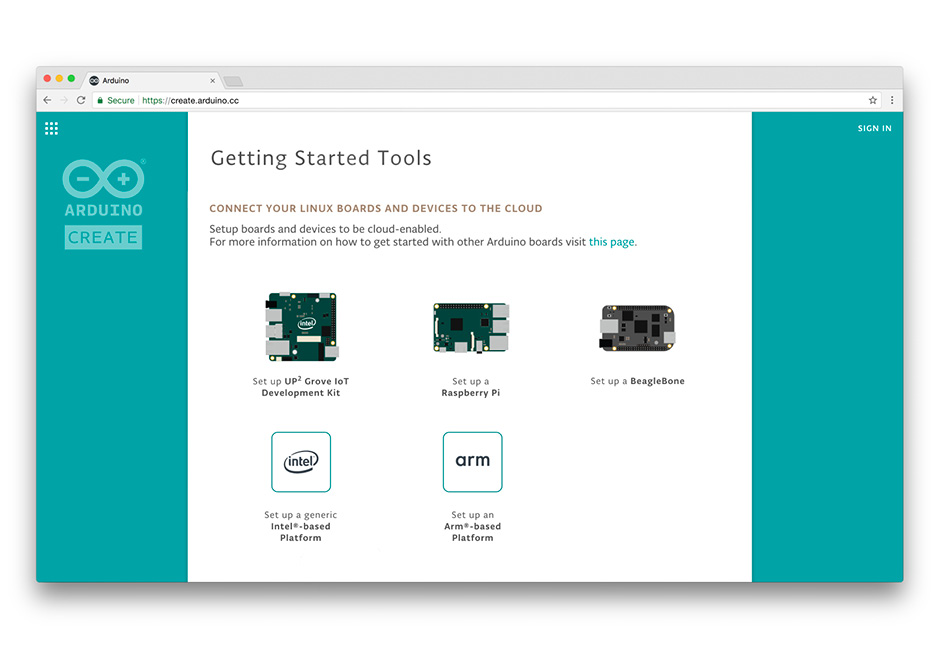
Today, at Embedded Linux Conference 2018, Arduino announced the expansion of the number of architectures supported by its Arduino Create platform for the development of IoT applications. With this new release, Arduino Create users can manage and program a wide range of popular Linux® single-board computers like the AAEON® UP² board, Raspberry Pi® and BeagleBone® as if they were regular Arduino boards. Multiple Arduino programs can run simultaneously on a Linux-based board and interact and communicate with each other, leveraging the capabilities provided by the new Arduino Connector. Moreover, IoT devices can be managed and updated remotely, independently from where they are located.

To further simplify the user journey, Arduino has also developed a novel out-of-the-box experience for Raspberry Pi and BeagleBone boards, in addition to Intel®  SBCs, which enables anyone to set up a new device from scratch via the cloud without any previous knowledge by following an intuitive web-based wizard. Arduino plans to continue enriching and expanding the set of features of Arduino Create in the coming months.

“With this release, Arduino extends its reach into edge computing, enabling anybody with Arduino programming experience to manage and develop complex multi-architecture IoT applications on gateways,” said Massimo Banzi, Arduino CTO. “This is an important step forward in democratizing access to the professional Internet of Things.”

“At Arduino we want to empower anyone to be an active player in the digital world. Being able to run Arduino code and manage connected Linux devices is an important step in this direction, especially for IoT applications that need more computing power, like AI and computer vision,” added Fabio Violante, Arduino CEO.