


This #cottagecore cyberdeck is perfect for literal fieldwork
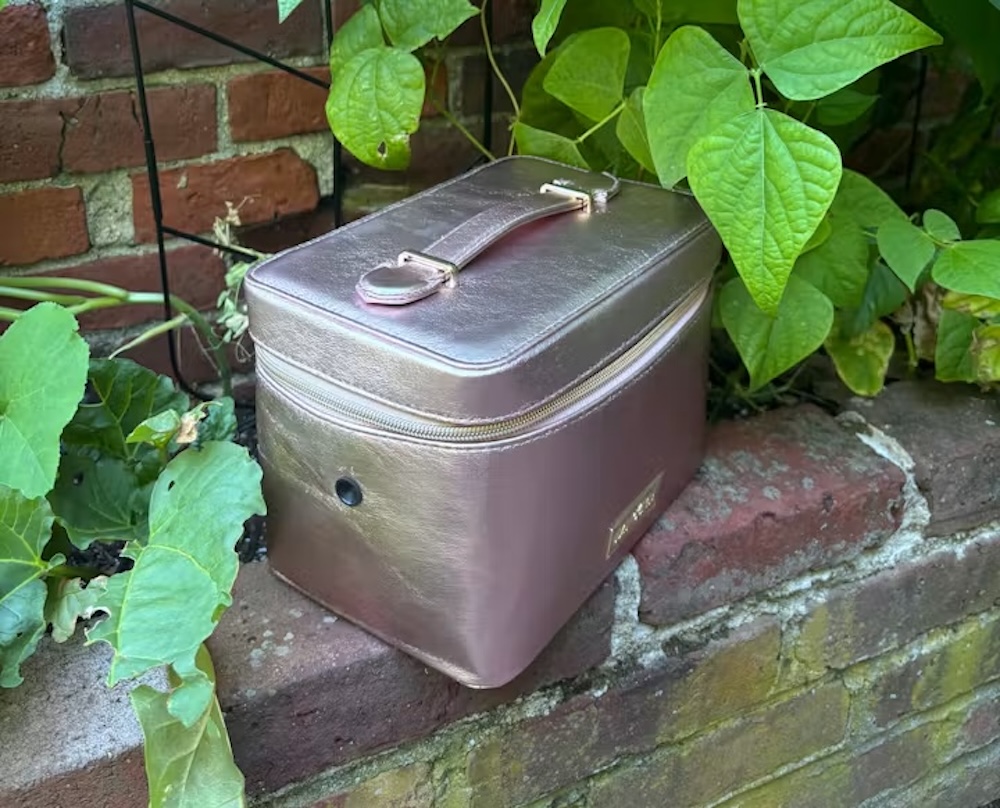
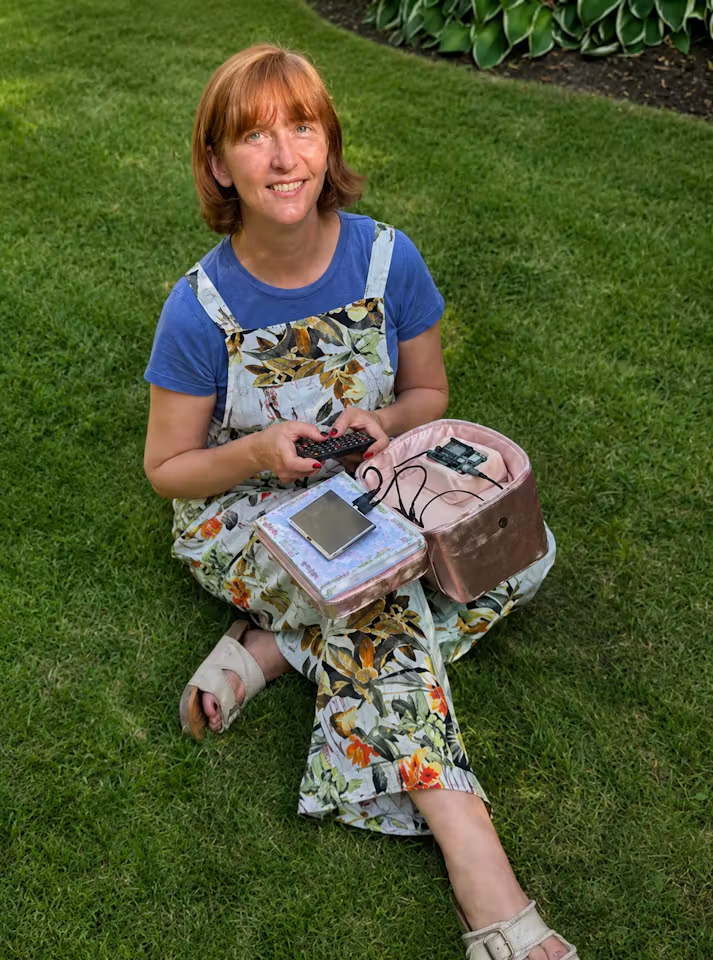
Cyberdecks don’t all have to be chunky slabs of aluminum and plastic chasing after an ‘80s cassette futurism aesthetic. Cyberdecks can be whatever their builders want them to be — that’s the whole appeal. Jen Looper is a creative technologist who loves nature, plants, and cozy gardens, so she built this #cottagecore cyberdeck to do literal fieldwork.
As an aesthetic, cottagecore is all about cozy, rustic vibes. As a subculture, it is about comfortable sustainability and “slow living.” B.L.O.O.M. (Bridging Local Observations, Openly Mapped) is a cyberdeck designed to encompass all of that. Looper built it for collecting field notes on regional plants and animals. It harkens back to the descriptive logging and taxonomic classification work of Victorian naturalists.
The physical construction is also the polar opposite of what we typically see from the cyberdeck community. The enclosure is a “train case,” which is a traditional piece of luggage used for carrying cosmetics and grooming supplies. All of the hardware components nestle inside, with plenty of room to spare for some paper notebooks.
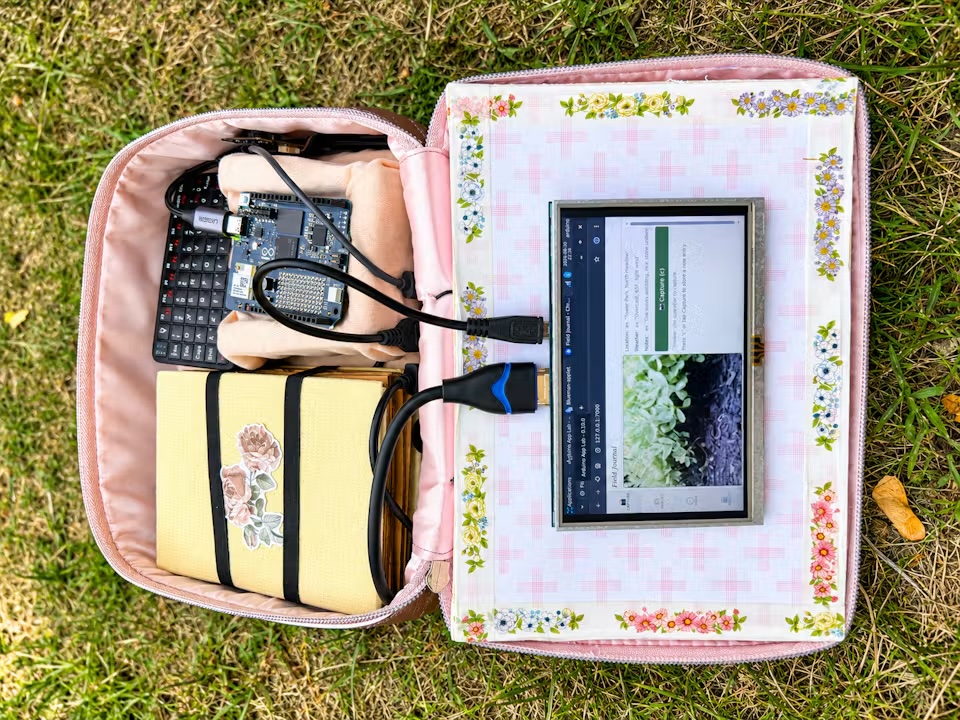
The hardware consists of an Arduino® UNOQ (4GB), a 5” HDMI screen, a Bluetooth keyboard, a Bluetooth mouse, and a power bank to power it all. It also has a USB camera and a USB microphone, which can be used for data collection.
To that end, it connects with a companion app (Field Notes) to compile that data in the Grinnell format. It can also run local AI models directly on the UNO Q to help with that work. As an example, Looper employed the Edge Impulse integration in Arduino App Lab to create a custom model that can recognize avian species based on their birdsong.
This is the kind of functionality that Victorian naturalists wouldn’t have even been able to dream of, but Looper was able to achieve it on a modest budget. At the same time, she proved that cyberdecks can come in any form.
The post This #cottagecore cyberdeck is perfect for literal fieldwork appeared first on Arduino Blog.
[original story: Arduino Blog]