AT&T and Verizon have given the Federal Aviation Administration another year to fix altimeter issues as they look to roll out C-band 5G services around airports. “We believe we have identified a path that will continue to enable aviation and 5G C-band wireless to safely co-exist,” acting FAA administrator Billy Nolen said in a statement.
Under a phased plan, operators of regional aircraft with radio altimeters that are most susceptible to interference are required to fit them with radio frequency filters by the end of this year. That work is underway and the FAA says it will continue on an expedited basis.
The agency also says it worked with AT&T and Verizon to identify airports where they can bolster service with minimal risk of upending flight schedules. The FAA plans to monitor the pace of RF filter retrofits on altimeters too.
Altimeters have been at the heart of the tussle over the rollout of C-band 5G around airports. Airlines have been worried that, because C-Band frequencies are close to ones used by some altimeters, they could create interference. That could cause a plane's landing system to misinterpret the distance to the ground with potentially disastrous consequences.
In January, AT&T and Verizon agreed to delay activating C-band 5G towers around airports until July 5. They made the pledge just hours before switching on C-band 5G in other areas for the first time. The pair also agreed to create buffer zones around 50 airports.
Now, the carriers will continue with "some level of voluntary mitigations" for another year, until July 5th, 2023. "After that time, the wireless companies expect to operate their networks in urban areas with minimal restrictions," the FAA said.
"Through close coordination with the FAA over the last several months, we have developed a more tailored approach to controlling signal strength around runways that allows us to activate more towers and increase signal strength," an AT&T spokesperson said. "Though our FCC licenses allow us to fully deploy much-needed C-Band spectrum right now, we have chosen in good faith to implement these more tailored precautionary measures so that airlines have additional time to retrofit equipment. We appreciate the FAA’s support of this approach, and we will continue to work with the aviation community as we move toward the expiration of all such voluntary measures by next summer.”
“Today’s announcement identifies a path forward that will enable Verizon to make full use of our C-Band spectrum for 5G around airports on an accelerated and defined schedule," Verizon executive vice-president and chief administrative officer Craig Silliman said. "Under this agreement reached with the FAA, we will lift the voluntary limitations on our 5G network deployment around airports in a staged approach over the coming months meaning even more consumers and businesses will benefit from the tremendous capabilities of 5G technology. This progress is the result of months of close collaboration with the FAA, FCC and aviation industry, and sets the stage for continued, robust 5G deployment.”
A great smartphone doesn’t have to cost a fortune. Years of commoditization have brought features once exclusive to high-end devices – including big batteries, multi-camera arrays and high refresh rate displays – down to their more affordable siblings. As one of Engadget’s resident mobile geeks, I’ve reviewed dozens of midrange devices. So I’m here to help you figure out what features to prioritize when trying to find a phone for less than $600.
What is a midrange phone, anyway?
While the term shows up frequently in articles and videos, there isn’t an agreed-upon definition for “midrange” beyond a phone that isn’t a flagship or an entry-level option. For this guide, our recommendations cost between $400 and $600. Any less and you should expect significant compromises. If your budget is higher, though, you should consider flagships like the iPhone 13 and Galaxy S22.
What factors should you consider when buying a midrange smartphone?
Buying a new device can be intimidating, but a few questions can help guide you through the process. First: what platform do you want to use? If the answer is iOS, that narrows your options down to exactly one phone. (Thankfully, it’s great.) And if you’re an Android fan, there’s no shortage of compelling options. Both platforms have their strengths, so you shouldn’t rule either out.
Obviously, also consider how much you’re comfortable spending. Even spending $100 more can get you a dramatically better product. And manufacturers tend to support their more expensive devices for longer. It’s definitely worth buying something toward the top limit of what you can afford.
Having an idea of your priorities will help inform your budget. Do you want a long-lasting battery? Do you value speedy performance above all else? Or would you like the best possible cameras? While they continue to improve every year, midrange phones still involve some compromises, and knowing what’s important to you will make choosing one easier.
Lastly, pay attention to wireless bands and network compatibility. If you don’t want to worry about that, your best bet is to buy directly from your carrier. To make things easier, all the phones we recommend are compatible with every major US wireless provider and can be purchased unlocked.
What won’t you get from a midrange smartphone?
Every year, the line between midrange and flagship phones gets blurrier as more upmarket features trickle down. When we first published this guide in 2020, it was difficult to find $500 devices with waterproofing or 5G. Now, the biggest thing you might miss out on is wireless charging. Just remember to budget for a power adapter too – many companies have stopped including them. Performance has improved in recent years, but can still be hit or miss as most midrange phones use slower processors that can struggle with multitasking. Thankfully, their cameras have improved dramatically, and you can typically expect at least a dual-lens system on most handsets below $600.
Engadget picks
The best midrange Android phone: Pixel 5a with 5G
Terrence O'Brien / Engadget
It may look dull, but there’s a lot to like about Google’s $450 Pixel 5a. For one, it features the best cameras at this price. It may not have as many lenses as some of the other options on this list, but thanks to Google’s expertise in computational photography, the 5a delivers pictures that are on par with phones that cost hundreds more.
The Pixel 5a has a few other things going for it. Thanks to its large 4,680mAh battery and efficient chipset, you won’t have to worry about running out of juice. In fact, Engadget managing editor Terrence O’Brien found he could easily get a full day of use. The 5a also supports 5G and is certified IP67 for water and dust-proofing. Plus, as a Pixel phone, the 5a will receive the latest updates and security fixes from Google weeks and months before other Android phones.
Of course, no $450 phone is perfect. The Pixel 5a has an aging Snapdragon 765G chipset, and you can find plenty of midrange phones with more responsive displays.
One thing to note: The Pixel 6a is right around the corner and will go on sale on July 28th for $449. I suggest waiting until Engadget gets a review unit so you have details on things like battery life and performance before you make a decision.
If you can get past its dated design and small 5.4-inch display, the iPhone SE is the fastest phone you can buy for less than $600. No other device on this list has a processor that comes close to the SE’s A15 Bionic. What’s more, you can expect Apple to support the 2022 model for years to come. The company is only just ending support for the first-generation SE after six years. The company hasn’t said how long it intends to furnish the latest SE with new software, but it’s likely to support the device for a similar length of time.
For all its strengths, the iPhone SE is held back by a dated display. Not only is the SE’s screen small and slow, but it also uses an IPS panel instead of an OLED, meaning it can’t deliver deep blacks. Additionally, that screen is surrounded by some of the largest bezels you’ll find on a modern phone. That’s not surprising. The SE uses the design of the iPhone 6, which will be a decade old in two years. And if the SE looks dated now, it will only feel more tired in a few years.
The midrange phone with the best screen: Samsung Galaxy A53 5G
Igor Bonifacic / Engadget
For the best possible display at this price, look no further than Samsung’s $450 Galaxy A53 5G. It features a 6.5-inch Super AMOLED display that is ideal for watching TV shows and movies. Plus the 120Hz panel is the fastest on this list. Other standout features include a 5,000mAh battery and versatile camera system. The A53’s three cameras may not deliver photos with the same detail and natural colors as the Pixel 5a, but it can capture bigger scenes with its two wide-angle lenses.
Like the other Android phones on this list, the A53 isn’t the fastest performer. At best, Samsung’s Exynos 1280 is a lateral move from the Snapdragon 750G found in the Galaxy A52 5G. And though the A53 is $50 cheaper than its predecessor, it no longer comes with a power adapter and headphone jack, so the difference may not end up being much.
If you only have around $200 to spend on your next phone, you could do a lot worse than the OnePlus Nord N200 To start, it features a big 5,000mAh battery that will easily last you a full day. The N200 also has a 90Hz display and 5G connectivity, which are tricky to find at this price. Best of all, it doesn’t look like a budget product.
But the N200 is also a good illustration of why you should spend more if you can. I the slowest device on this list, due to its Snapdragon 480 chipset and paltry 4GB of RAM. Its triple main camera system is serviceable during the day but struggles in low light and doesn’t offer much versatility beyond a disappointing macro lens. OnePlus also doesn’t plan to update the phone beyond the soon-to-be-outdated Android 12. In short, the N200 is unlikely to last you as long as any of the other recommendations on this list.
After more than a year, Peacock is finally close to bringing Bill Nye back to TV screens. The NBCUniversal service has revealed that The End is Nye will premiere on August 25th. The six-episode series will have Nye explore disasters (natural and otherwise) while showing how science can help prevent and survive these calamities.
Nye serves as an executive producer in addition to hosting. The production team will seem very familiar if you're a fan of science documentaries or sci-fi. Brannon Braga (of Cosmos, The Orville and Star Trek fame) serves as director and showrunner, while Seth MacFarlane (also from Cosmos and The Orville) is both making cameo appearances and producing through his Fuzzy Door outfit.
The series comes roughly five years after Netflix's Bill Nye Saves the World, and follows a similar template. It's an effort to restore optimism about science, not to mention counter myths and otherwise push for a society where evidence and objectivity matter. This might not recapture the vibe of Bill's Science Guy days, but it might not have to if it gets the message across.
Epic Games has added a long-awaited feature to its store: user ratings. The company says that only those who have played a game for at least two hours will be able to rate it on a five-star scale. Not everyone will be able to rate a game either. Epic will randomly offer players the chance to score a game after they finish a play session. The company believes this approach will prevent review bombing and make sure ratings are from people who are actually playing the games.
An overall rating will be calculated based on players' scores and this will appear on a title's Epic Games Store page. The aim, of course, is to help users figure out whether a game's worth playing. Store pages already featured critics' reviews to help folks make a decision about whether to buy or download something.
Epic says it likely won't ask for ratings on every game or app and the randomization approach will help it avoid spamming players. That seems like a good call. It's a little annoying, for instance, that Microsoft asks for feedback after every Xbox Cloud Gaming session.
Epic Games
In addition, Epic may ask you to answer a poll after a game session. There's a broad range of questions, including the likes of whether a game is better to play with a team or how challenging the combat is.
Epic will use data from polls to create tags for store pages. Eventually, tags will be used on category pages and to create tag-based categories for the home page. The idea is to improve discoverability and help people gain a better understanding of what to expect from a game.
Separately, Epic is releasing a set of cross-play tools for developers. Epic Online Services now offers an overlay that can merge Steam and Epic Games friends lists and help players find their buds, send friend requests and hop into multiplayer sessions with cross-platform in-game invites.
Epic has broader ambitions for cross-play support beyond Steam. It's working to support other PC launchers, as well as macOS and Linux. It will add cross-play tools for consoles and mobile to the SDK further down the line. Several of Epic's own games — including Fortnite, Rocket League and Fall Guys: Ultimate Knockout — have full cross-play support.
If you're still hunting for the perfect gift for dad ahead of Father's Day this weekend, a bunch of our favorite gadgets are on sale right now. The Apple TV 4K remains discounted to $130, its cheapest price yet, and a couple of colors of the AirPods Max are $120 off. Amazon's Fire tablets and basic Kindle are on sale, too, plus you can pick up three video games for the price of two in the online retailer's latest 3-for-2 sale. Here are the best tech deals from this week that you can still get today.
Apple TV 4K
Devindra Hardawar/Engadget
The latest Apple TV 4K is down to a new record low of $130. That's nearly $50 off its normal price and a great deal on what we consider to be the best high-end streaming device. We gave it a score of 90 for its speedy performance, support for Dolby Vision and Atmos, plus its much improved Siri remote.
The latest AirPods are $30 off and down to $150, which is only $10 more than their all-time-low price. We gave the buds a score of 88 for their improved audio quality, more comfortable design and longer battery life.
Apple's AirPods Max are $120 off and down to $430. We gave these headphones a score of 84 for their excellent, balanced sound, solid ANC, comfortable design and good battery life.
Amazon's latest 3-for-2 sale includes a bunch of popular video games, including Elden Ring, Star Wars: The Skywalker Saga, Kirby and the Forgotten Land and more. While most titles are full price, you will find a few that have been discounted as well. So not only can you pick up three games for the price of two, but the base price for some of them is lower than usual, too.
The new Smart Monitor M8 is $100 cheaper than usual at Amazon and Samsung right now. This 32-inch display has a 3,840 x 2,160 pixel resolution and works as both a monitor and a smart TV, giving you access to streaming devices like Netflix, Disney+ and others. It also has a built-in SmartThings home hub inside, so you can use it to control compatible IoT devices in your home.
A number of Amazon's Fire tablets are on sale, with some up to 45 percent off. The most affordable of the bunch is the Fire HD 8, which is down to $50, while the steepest discount is on the Fire HD 8 Plus, which you can grab for only $60.
Amazon's standard Kindle is 33 percent off and down to $60. We gave the e-reader a score of 91 when it first came out for its smaller, sleeker design and improved display with higher contrast and a new front light system.
Amazon's smart thermostat is back on sale for $48, or 20 percent off its normal price. This is a more affordable alternative to higher-end thermostats and it lets you control your home's environment from anywhere, plus use Alexa commands to do so while you're in the house.
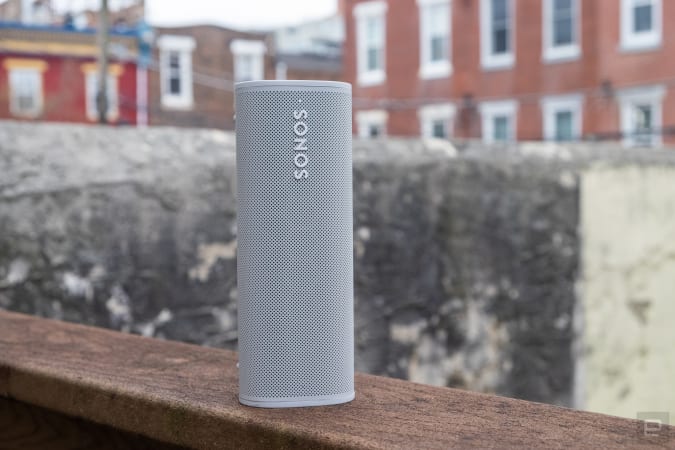
Sonos' portable Roam speaker remains 20 percent off and down to just over $143. We gave it a score of 87 for its great audio quality, compact and durable design and ability to play stereo audio when two are paired together.
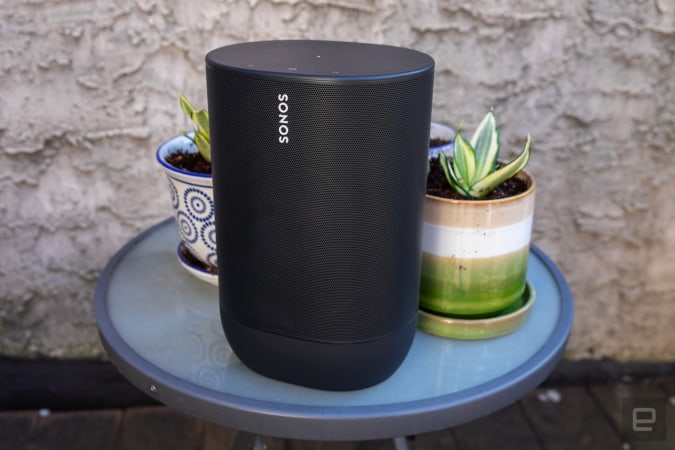
The outdoor-friendly Sonos Move is also 20 percent off and down to just under $320. It earned a score of 80 from us for its excellent sound quality, Bluetooth connectivity, weather-resistant design and great battery life.
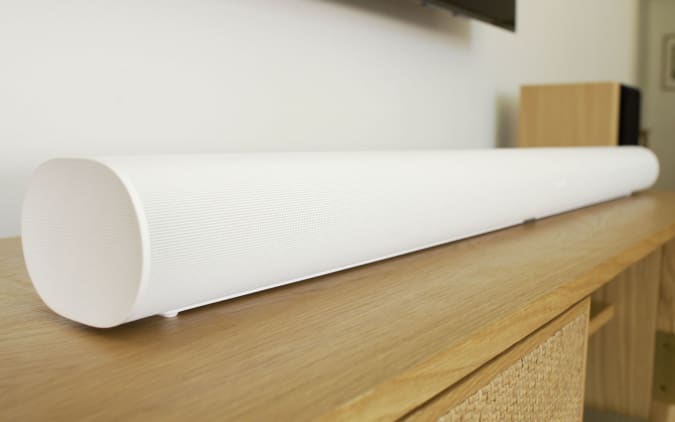
Sonos has discounted a bunch of refurbished speakers and soundbars. Sonos' refurbished program tests all devices to make sure they're as good as new and these devices come with the same one-year warranty as new products do.
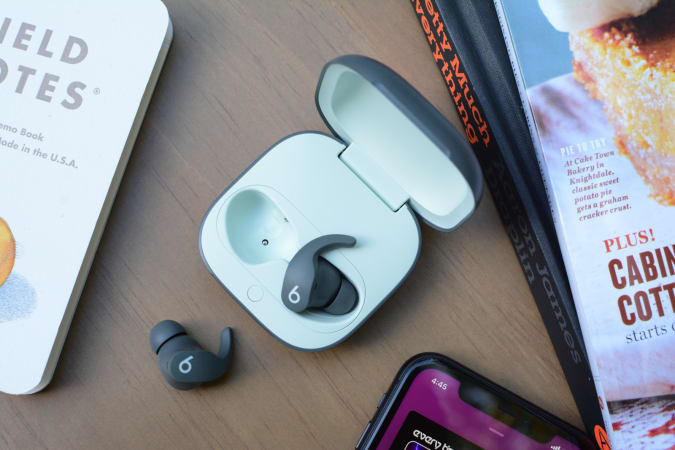
The Beats Fit Pro earbuds are back on sale for $180, or $20 off their usual price. We gave them a score of 87 for their good sound quality, strong ANC and handy features provided by Apple's H1 chipset.
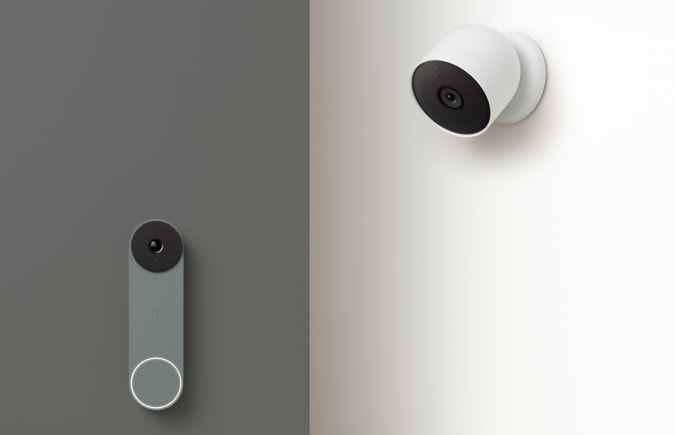
The battery-powered Nest Doorbell is on sale for $130 at Amazon right now, or nearly 30 percent off its normal price. This IoT device is easy to install since you don't have to hardwire it, and it'll send you alerts when someone shows up at your doorstep. You can also pick up the Nest Cam Outdoor for $129 or the Nest Cam Indoor for $80.
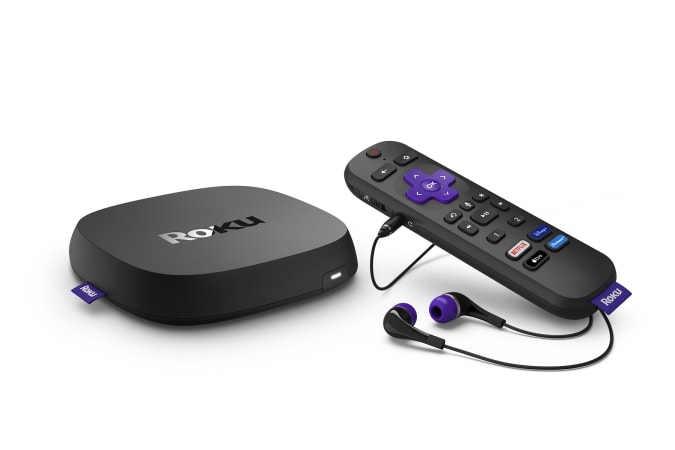
The 2022 Roku Ultra is 20 percent off and down to a new low of $80. The updated set-top box just came out last month and it includes the new Voice Remote Pro with a rechargeable battery and a remote-finder feature, plus support for 4K, HDR10+ streaming. It's also worth noting that the Roku Streambar remains on sale for $99.
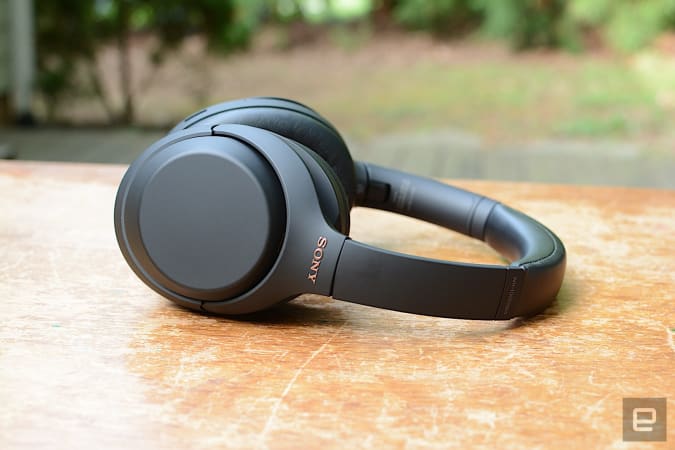
Sony's WH-1000XM4 headphones are down to $278, which is 21 percent off its normal price. While Sony just came out with the XM5 headphones, these cans remain a good option for those that want excellent sound quality and ANC to match. Plus, you'll save more than $100 compared to the XM5 if you pick up the XM4 while they're on sale.
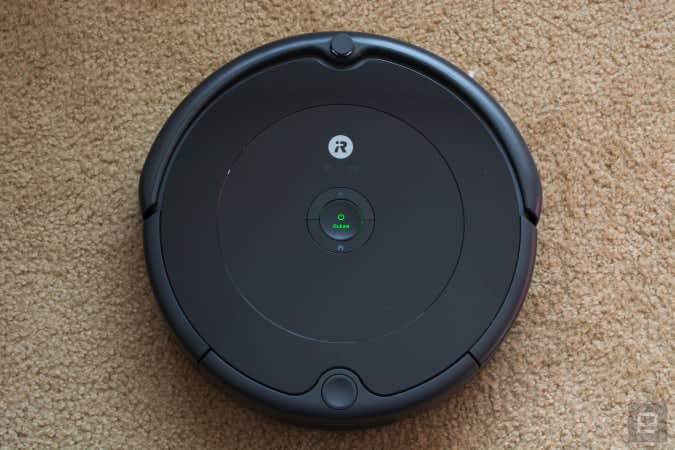
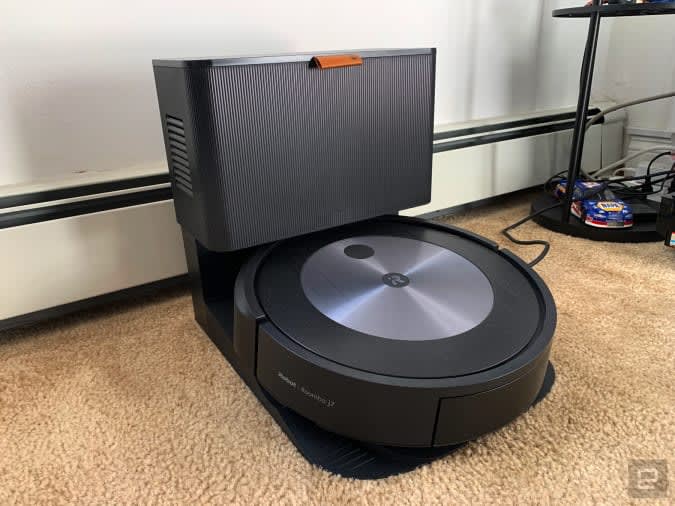
iRobot's Roomba j7+ is down to $599 at Amazon, or $200 off its normal price. We included the Roomba j7 in our best robot vaccums guide because it did a good job cleaning both carpeted and hard floors, plus it has good obstacle avoidance and an easy to use companion app. The j7+ adds a clean base into the mix, so the robot will automatically empty its bin into the clean base after every job.
Target has the Nest Thermostat for $100, plus you can get a Nest Hub for only $50 or a Nest Hub Max for $180 when you pick up either with the thermostat. That's a good deal if you're looking to expand your smart home ecosystem, plus it could make a good gift for dad for Father's Day.
The European Union might not be the only government body setting a common standard for device chargers. The Vergenotes US senators Ed Markey, Elizabeth Warren and Bernie Sanders have sent a letter to Commerce Secretary Gina Raimondo calling on her department to develop a "comprehensive strategy" that would lead to a common charging standard. The EU acted in the "public interest" by settling on one port, the senators said, and the US ought to follow suit to reduce the environmental impact of chargers while improving convenience for users.
The politicians' arguments largely mirrored the EU's stance. A charger standard would theoretically reduce e-waste by letting people reuse existing cables and adapters for new devices. It could also help consumers money by sparing them from buying additional chargers, not to mention adding "sanity and certainty" to electronics shopping. This would prevent companies from locking you into proprietary cables that become obsolete, according to the group.
Raimondo hadn't responded to the letter as of this writing. The senators didn't specify USB-C as the standard, although that's likely to be the frontrunner. The EU will require USB-C starting in 2024, and the technology can accommodate everything from smartphones and earbuds through to high-end laptops. It also provides more consistent approaches to fast charging and accessory support.
Critics and some companies have long pushed back on charger standards. Apple most notably claimed a universal charger would hurt innovation by limiting the potential for technical advances, and would allegedly negate e-waste reduction by forcing legions of the company's users to replace their Lightning cables. Brands like Apple might not have much choice but to switch given the EU's move, however, and a US standard would only cement that decision.
As it is, there are rumors Apple will move to USB-C for both its 2023 iPhone lineup and this year's base iPad (all other iPads already use the format). A US charging standard might prevent companies like Apple from reverting to proprietary connectors later on, but the possible new regulation might do little more than enforce the status quo by the time it takes effect.
Dragon's Dogma didn't rock the fantasy RPG world when it arrived in 2012, but it gradually developed a loyal fan base. If you're part of that group, you'll be glad to hear that Capcom has confirmed work on a sequel as part of a livestream celebrating the original's 10th anniversary. Not that there are many details, mind you. As Kotakureports, game director Hideaki Itsuno shared the Dragon's Dogma II name, a logo and nothing else — don't expect a release in the near future, then.
The first game was flawed, with an awkward interface and a mediocre open-world experience. However, its wild story, enjoyable combat and extensive customization helped win people over. It was popular enough to warrant an expansion (Dark Arisen), a Japan-exclusive online RPG (Dragon's Dogma Online) and even a Netflix anime series.
It's safe to presume Dragon's Dogma II will target modern consoles like the PS5 and Xbox Series X. With that said, it's too soon to say much else. A lot has changed in the past decade, and a sequel will have to compete with action RPG rivals like Elden Ring. Still, this might give Capcom more room to address the original's flaws and otherwise shake up its game mechanics.
This week, Devindra and Cherlynn dig into the story around Google engineer Blake Lemoine’s interview with the Washington Post and his belief that the company’s LaMDA language model is alive. What does it mean for AI (or anything else) to have consciousness? Do people understand AI, and what other areas of concern should we as a society consider as machines become more sophisticated and human-like? Then, we recap some of the biggest gaming news this week, as well as some wacky gadget announcements.
Listen below, or subscribe on your podcast app of choice. If you've got suggestions or topics you'd like covered on the show, be sure to email us or drop a note in the comments! And be sure to check out our other podcasts, the Morning After and Engadget News!
First look at gameplay from Bethesda’s Starfield RPG at Summer Games Fest – 25:39
Capcom announces Street Fighter 6 with a gorgeous trailer – 29:22
Hideo Kojima’s next game will be for Xbox – 32:55
Overwatch 2 early access coming on October 4th – 33:43
US proposes legislation to ban sale of location data – 34:14
Sony released a $3,700 Walkman – 38:42
Working on – 43:13
Pop culture picks – 44:34
Video livestream
Credits Hosts: Cherlynn Low and Devindra Hardawar Producer: Ben Ellman Livestream producers: Julio Barrientos, Luke Brooks Graphics artists: Luke Brooks, Brian Oh Music: Dale North and Terrence O'Brien
After previewing the feature in beta last April, WhatsApp is rolling out greater privacy controls for Profile Photo, About, Status and Last Seen settings, the company tweeted. Until now, you could only block those settings for Everyone, My Contacts or Nobody, but the new update introduces a "My Contacts Except" option that offers far more granular control.
The "Last Seen" status is a particular privacy danger, as it indicates when someone last checked the app. That provides a way to find out if a contact may have potentially seen your message even if they have read receipts turned off. The new feature allows you to shut off that feature for certain people, while also blocking Profile Photo, About and Status for individual users.
🔒 To further protect your privacy online, we’re rolling out new options to your privacy control settings 🔒
Now you can select who from your contact list can see your Profile Photo, About, and Last Seen status. For more information follow this link: https://t.co/UGMCx2n70h
If you restrict your Last Seen status to certain people, you'll notice that you won't be able to see their Last Seen status, either. The new settings are available via the three-dot menu in the upper right corner, then navigating to Account > Privacy.
WhatsApp has added a number of new features of late, both around privacy and convenience. Last year, the company said it would limit accounts for users who don't accept its new privacy policy, but it later backtracked on that. Earlier this week, the chat app unveiled a new feature that makes it easier to switch from Android to iOS.
Roku has teamed up with Walmart to serve a new kind of advertisement that will let you shop straight from your TV. Unlike typical TV ads that only showcase a specific service or product, these shoppable ads are more similar to advertisements you see online. Viewers who do find something they want to buy from the shoppable ads can press OK on their remote to begin Walmart's checkout process. Their payment details will be automatically populated with their information from Roku Pay, so they'd only have to press OK to complete their purchase. They'll then get an email confirmation from Walmart with shipping and return information.
Since this is a pilot partnership between the companies, the shoppable ads powered Roku's ad-buying platform called OneView will only feature products fulfilled by Walmart. Of course, ads always have the potential to be annoying, but Roku's announcement suggests that it will at least show ads targeted towards its users, thanks to its advertising tech. The company also said that future iterations of this pilot program "will look for opportunities to build deeper commerce experiences that meet customers where they are."
This isn't the first time Roku and Walmart have joined forces: Last year, Roku debuted its new LE streaming player as a $15 Walmart exclusive for Black Friday. The device eventually made its way to other retailers like Amazon, where it's being sold at prices ranging from $24 to $30.