In addition to the usual load of bugfixes and small improvements under the hood, the latest version includes:
Improved support for Mac OS X (the app is now notarized and strictly follows the latest OS X recommended security guidelines)
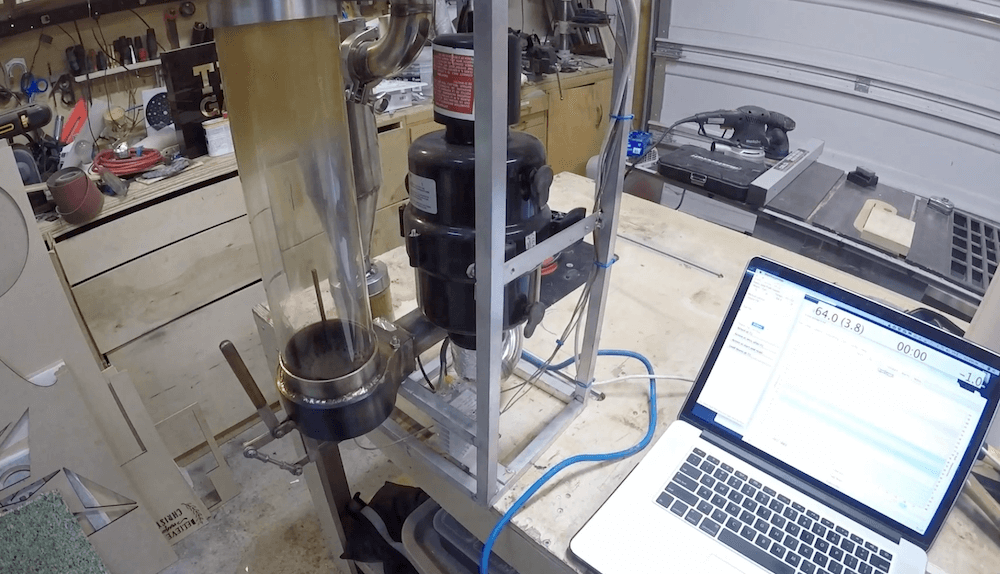
A “send text” command within the serial plotter (so you can interact with the board while plotting data!)
Better sketch build time
Updated AVR core and WiFi firmware
As always, we must thank our amazing community for their incredible support and contributions. The complete list of changes and contributors can be found in the full changelog.
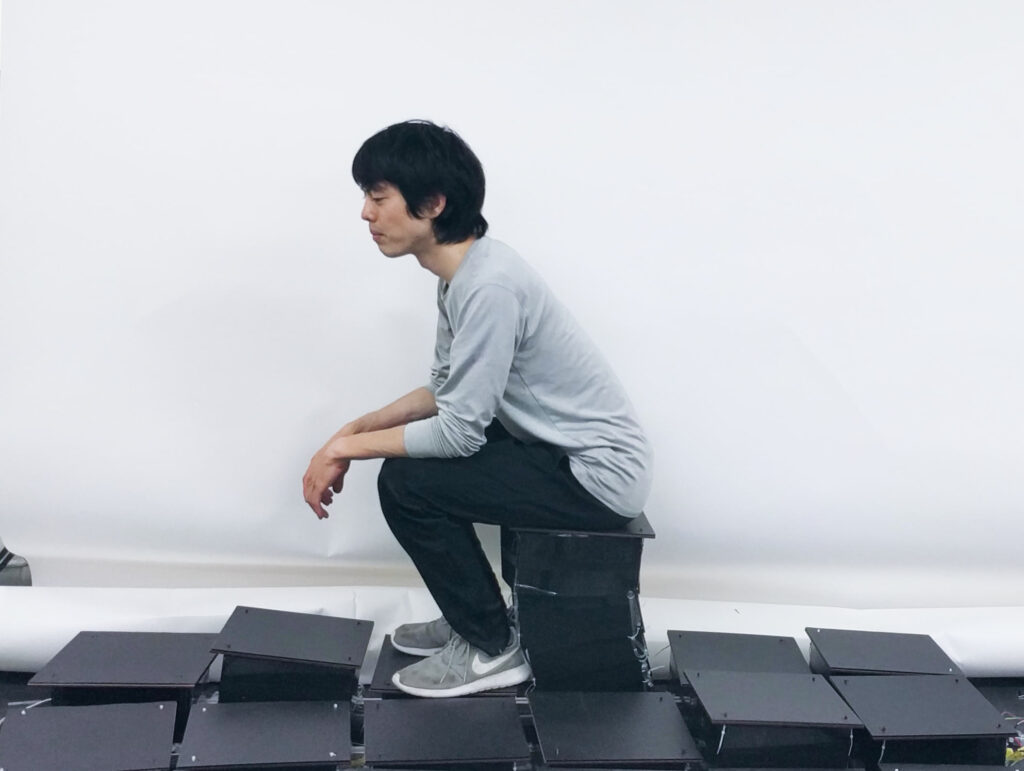
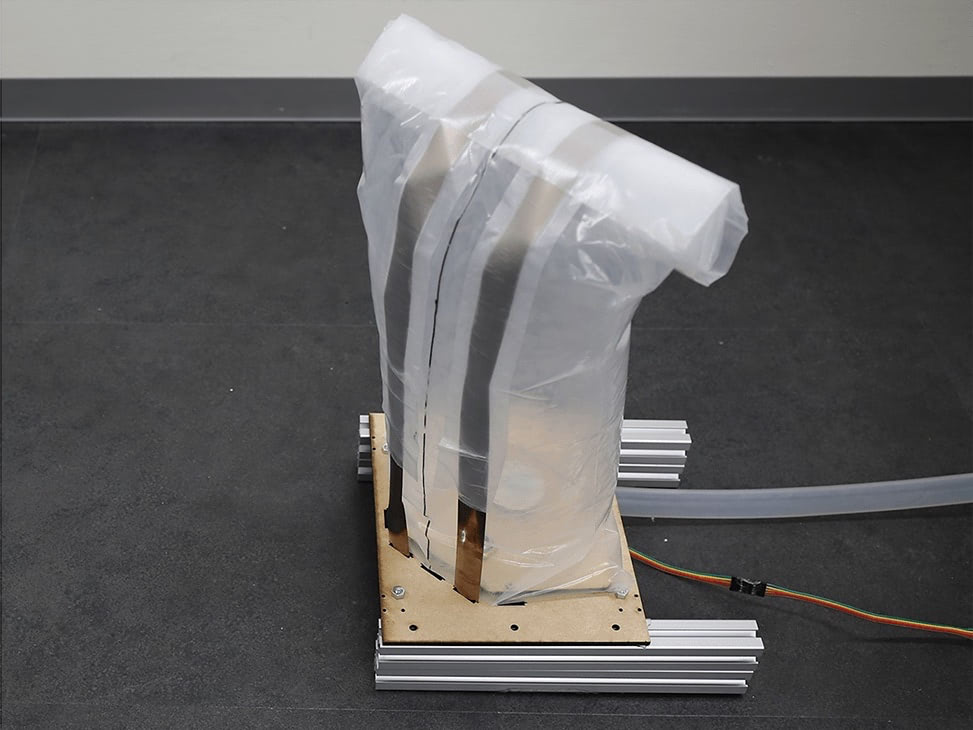
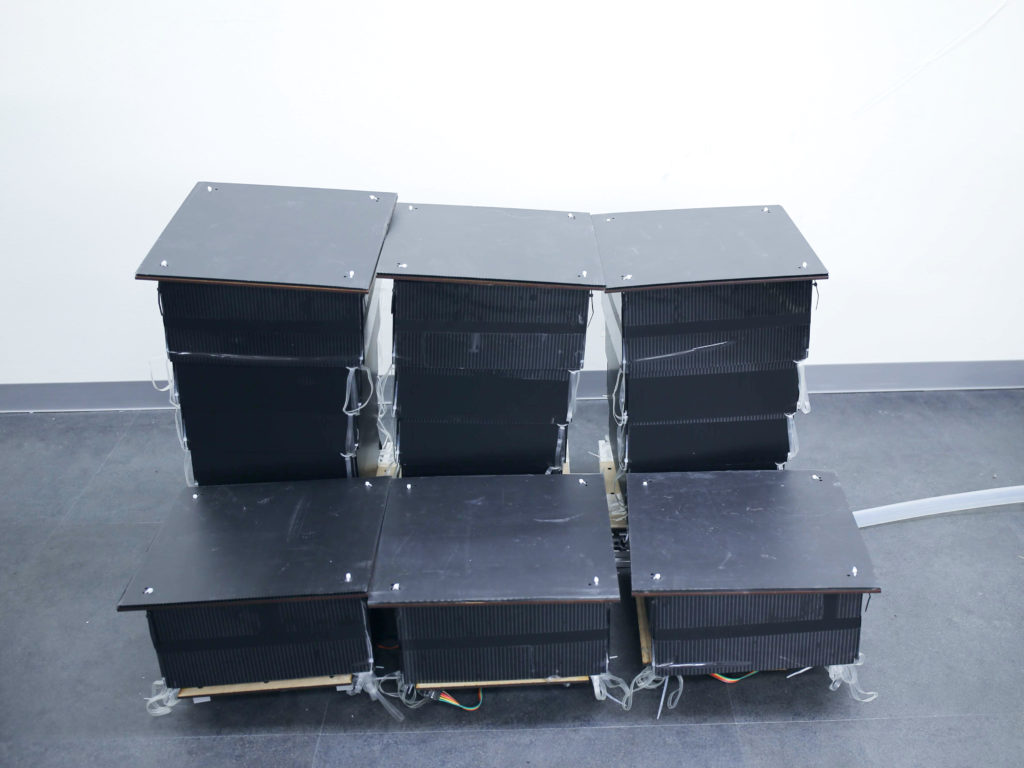
Shape-shifting interfaces, which could be deployed to create dynamic furniture, structures or VR environments, have great potential; however, creating them is often quite difficult. To simplify things, researchers from the University of Colorado Boulder have developed “LiftTiles,” modular blocks that raise to the desired height (between 15 and 150 centimeters) via air pressure and then collapse under spring force when needed.
Each pneumatic tile costs under $10 USD, weighs only 10kg each, and supports up to 10kg of weight. To demonstrate their design, the team used solenoid valves to inflate blocks and servo motors to open release valves that allow the blocks deflate and compress.
The system is based on an Arduino Mega board, along with an SR300 depth camera to measure the height of each section and client software running on a control computer.
During Bett Show 2020, Arduino will launch the Arduino Education learning evolution: four new STEAM products for students in lower secondary school through to university. Arduino Education will also announce a partnership with the Fraunhofer Initiative: “Roberta – Learning with Robots” in Germany.
Arduino Education‘s latest products — CTC GO! Motions Expansion Pack, Engineering Kit Rev2, Arduino Education Starter Kit, and IoT Starter Kit — will be unveiled at Bett and available in Q1. These new products complement the existing portfolio, which includes the Science Kit, CTC GO!, CTC 101, Arduino Starter Kit, and Certification program.
Arduino CEO Fabio Violante comments: “We are delighted to announce four new products which will expand STEAM learning for lower secondary to university students. Our technology, programming, and curriculum content are creative tools — just like brushes and paint — that students can use as they become part of our next generation of scientists and artists.”
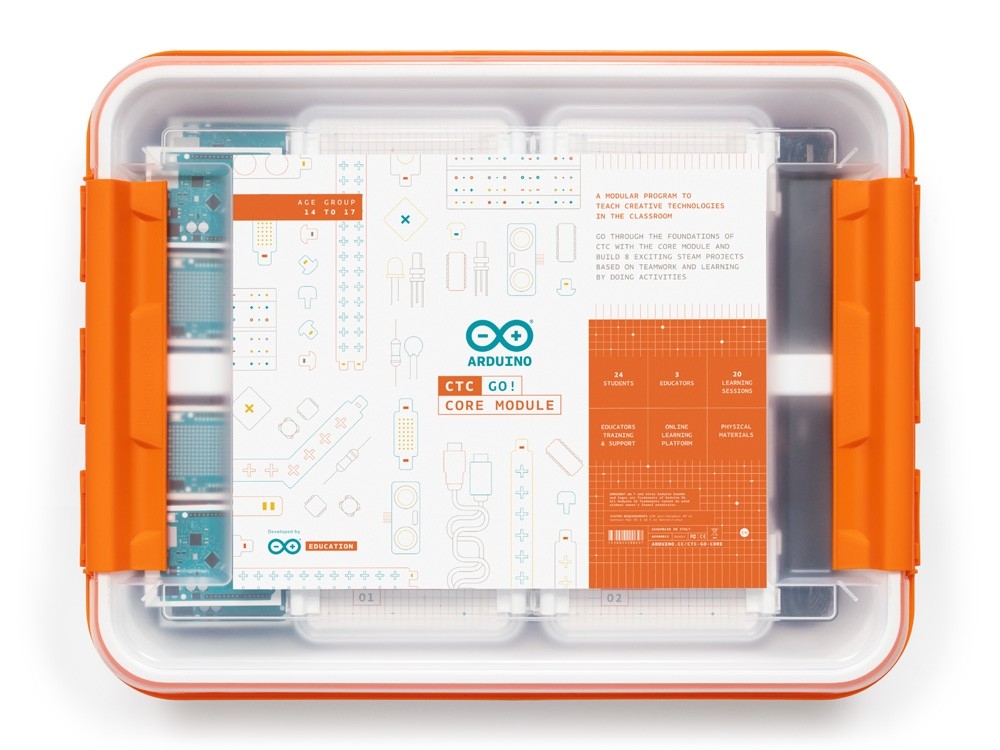
CTC GO! Motions Expansion Pack (Age: 14+)
Build on your secondary school students’ STEAM knowledge with more complex programming concepts that develop computational thinking and 21st-century skills.
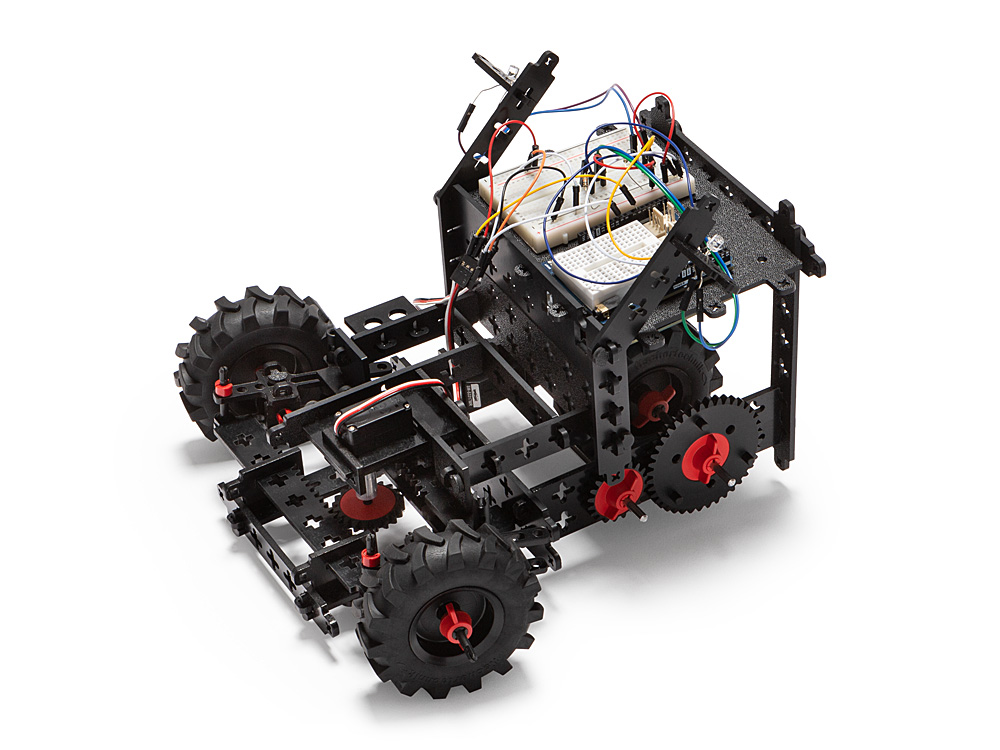
For educators who have taken their students through the CTC GO! – Core Module, the Motions Expansion Pack builds on what they have already learned about how to use technology as a tool and how to apply that knowledge in the real world. The Motions Expansion Pack challenges students to go a step further in computing and design while introducing them to motors and transmission mechanisms such as pulleys and gear concepts that develop their logical reasoning, hands-on building skills, and problem-solving skills. Educators get all the teaching support they need with webinars, videos, guides, and direct contact with an expert.
Engineering Kit Rev2 (Age: 17+)
Challenge upper secondary school and university students and help them develop hands-on engineering skills.
Educators can challenge engineering students and help them develop physical engineering skills with the Arduino Engineering Kit Rev2. Featuring cutting-edge technology, the kit is a practical, hands-on tool that demonstrates key concepts, core aspects of mechatronics, and MATLAB and Simulink programming. Developed in partnership with MathWorks, The Engineering Kit Rev2 is ideal for advanced high school and college students, the three projects teach the basics of engineering — plus they’re fun to do!
Education Starter Kit (Age: 11+)
Learn electronics and get started with programming in your classroom step-by-step — no experience necessary!
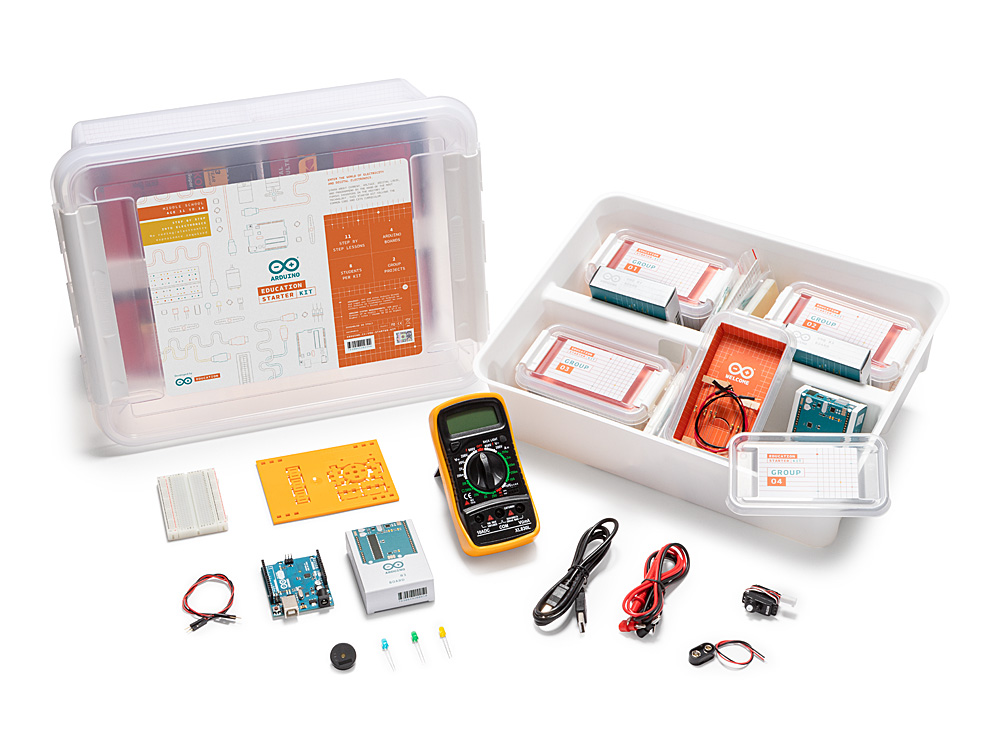
Educators can teach lower secondary school students the basics of programming, coding, and electronics. No prior knowledge or experience is necessary as the kits guide educators through step-by-step, they are well-supported with teacher guides, and lessons can be paced according to students’ abilities. The kit can be integrated throughout the curriculum, giving students the opportunity to become confident in programming and electronics with guided sessions and open experimentation. They’ll also learn vital 21st-century skills such as collaboration and problem-solving.
IoT Starter Kit (Age: 14+)
The first step into the world of connected objects has never been easier.
Advanced secondary school and university students can get started with the Internet of Things quickly and easily. They’ll learn about using sensors; automation; logging, graphing and analyzing sensor data, and triggering events with serious technology made simple. The kit contains step-by-step tutorials for ten different projects – fun, creative experiments using real-life sensors.
In partnership with the Fraunhofer Initiative: “Roberta – Learning with Robots”
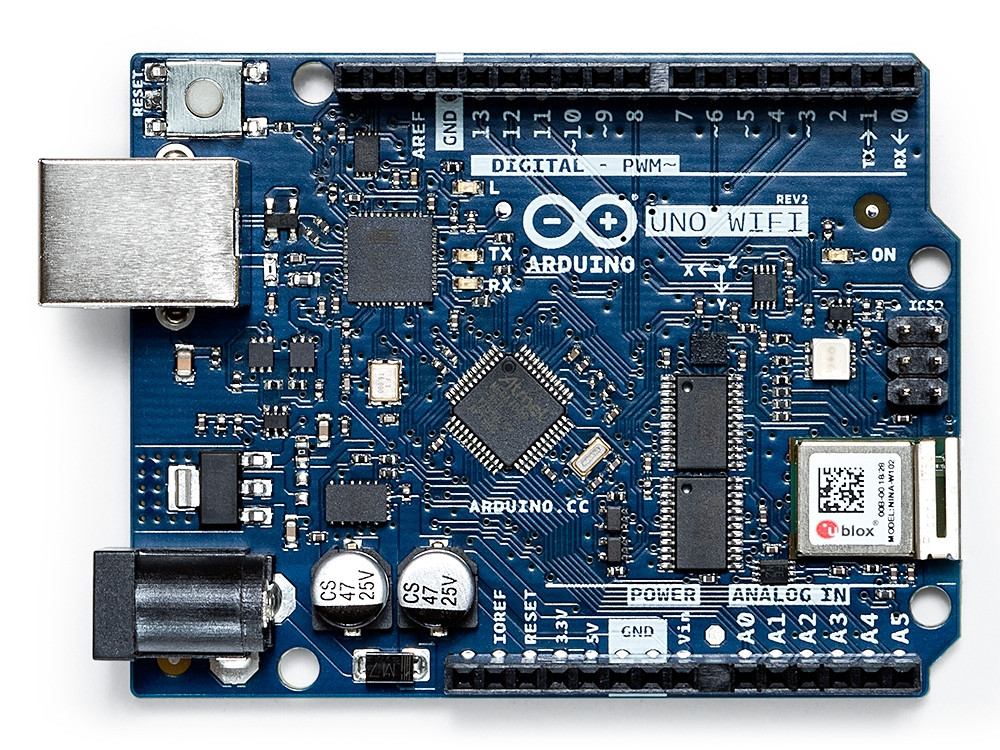
The dream team for classrooms worldwide: Arduino Education has officially partnered up with the Fraunhofer Initiative “Roberta – Learning with Robots.” The Arduino Uno WiFi Rev2 board, part of Arduino CTC GO!, joined the Open Roberta Lab, the biggest open-source coding platform developed in Europe.
The Arduino Uno WiFi Rev2 is the fourth Arduino board to be integrated into the Open Roberta Lab, which currently supports 13 robots and microcontrollers that enable children worldwide to adopt a playful approach to coding. The lab is the technological component of the Roberta Initiative, which was started by Fraunhofer IAIS in 2002. Eighteen years’ experience in STEM education, training teachers, and developing materials as well as launching the Open Roberta Lab in 2014 make Roberta a one-of-a-kind initiative in Germany and beyond, and the perfect partner for Arduino Education.
“Fraunhofer offers guaranteed quality, both on the technical level as well as for community support,” says Arduino CTO David Cuartielles. “There are a lot of synergies in our cooperation. Roberta is really meant for teachers to learn how to teach technology, and that’s also a key part of Arduino Education’s mission.”
“Open Roberta is developed as an open source platform to engage a community worldwide to join our mission. As a popular open source electronics platform, Arduino is the perfect match for us as it also motivates people all over the world to develop their own ideas and move from using to creating technology,” adds Thorsten Leimbach, head of business unit “Smart Coding and Learning” and Roberta manager at Fraunhofer IAIS.
Apparently not content with simply brewing his coffee to perfection, Alex Campbell can actually take control of the roast itself thanks to his beautiful fluid bed roasting rig.
His DIY device is constructed using a variety of stainless steel and aluminum components, along with a transparent roasting chamber. A spa blower is employed to suck waste out and agitate beans during the process.
The machine’s heating element is driven by a solid-state relay and a thermocouple provides feedback. An Arduino board is tasked with controlling the system, while user interface and higher-level control are handled via a laptop linked to it over serial.
It’s an amazing design as seen in the two videos below — all to get that perfect cup!
Dream team for classrooms worldwide: Arduino Uno WiFi Rev2 for CTC GO! joins Open Roberta Lab, the biggest open source coding platform made in Europe.
The Arduino Uno WiFi Rev2 is the fourth Arduino board to be integrated into the Open Roberta Lab, which is currently supporting a total of 13 robots and microcontrollers to enable children worldwide to adopt a playful approach to coding. By “dragging and dropping” the colorful programming blocks called “NEPO” hundreds of thousands of users worldwide from more than 100 countries per year create their own programs to make their hardware come to life.
“Fraunhofer offers guaranteed quality, both on the technical level as well as for community support,” says Arduino CTO David Cuartielles. “There are a lot of synergies in our cooperation. Roberta is really meant for teachers to learn how to teach technology which is a key part of the Arduino Education’s mission.”
The CTC GO! – Core Module containing eight Arduino Uno WiFi Rev2 is supporting the joint mission of Open Roberta and Arduino in providing teachers with a getting started program including eight lessons, eight guided projects, and six self-guided projects that teach students how to use electronics and introduces them to programming and coding. The lessons increase in difficulty from the very basics all the way through to learning different programming capabilities and building circuits for different sensors and actuators. During the self-guided projects, students practice building structures and applying the knowledge acquired in the hands-on lessons to develop their critical thinking, creativity and problem solving skills in a collaborative manner.”
Arduino first joined Open Roberta in 2018, when the microcontrollers Arduino Uno, Nano, and Mega were integrated into the Open Roberta Lab. The lab is the technological component of the Roberta initiative, which was started by Fraunhofer IAIS in 2002. 18 years of experience in STEM education, training teachers and developing materials as well as launching the Open Roberta Lab in 2014 make Roberta a one of a kind initiative in Germany and beyond.
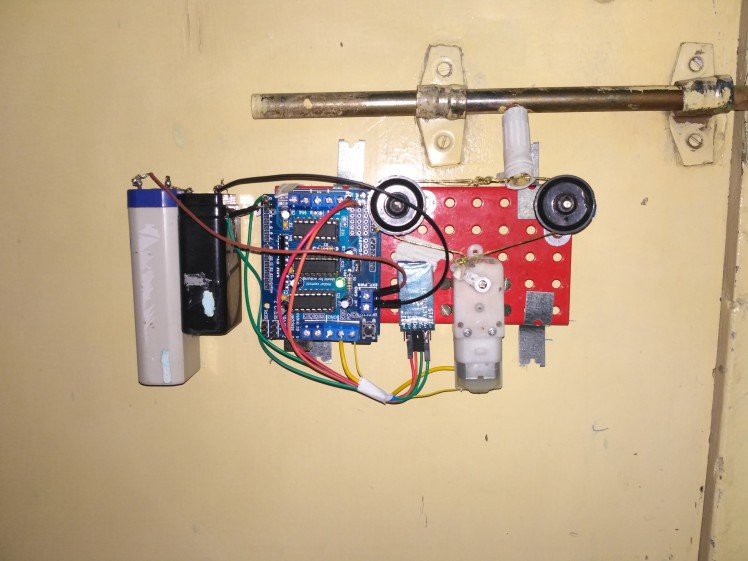
Adnan.R.Khan recently decided to give his room’s sliding door latch an upgrade by designing a mechanism to open and close it, using little more than an Arduino Uno and Bluetooth module.
His automated device is operated via a smartphone app written in MIT App Inventor, and it employs a shield to control a small DC motor. The motor then pulls a cable wrapped around two pulleys in order to move the simple barrel latch in or out.
It’s an amazing display of what can be done with parts at hand and basic tools, and could certainly inspire other home security hacks. Be sure to check out the build process and the setup in action below!
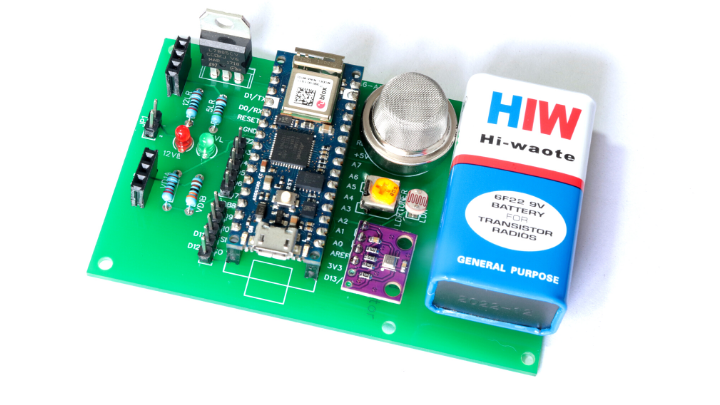
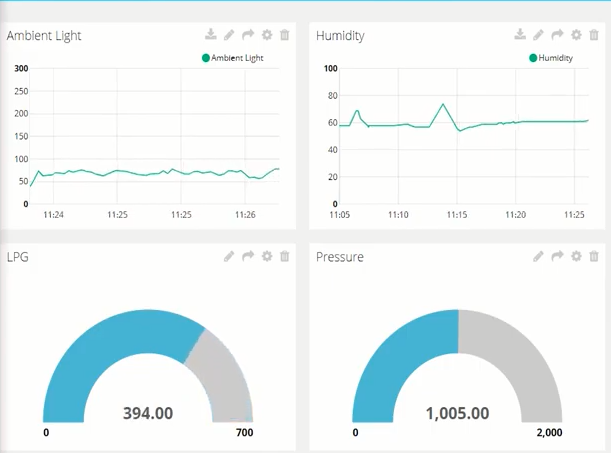
Using an Arduino Nano 33 IoT, Jithin Sanal designed a home monitoring system capable of detecting noxious gases with an MQ2 sensor as well as sensing temperature, pressure, humidity, and ambient light via a BME280 sensor and an LDR. All of this is mounted onto a custom PCB that’s powered by a 9V battery, or one could also use a 9-12V adapter if more convenient.
Data is passed on to Ubidots over WiFi, which provides a configurable dashboard for viewing the readings anywhere in the world. The system can also send notifications via SMS, email, or Telegram to let you know if anything is awry.
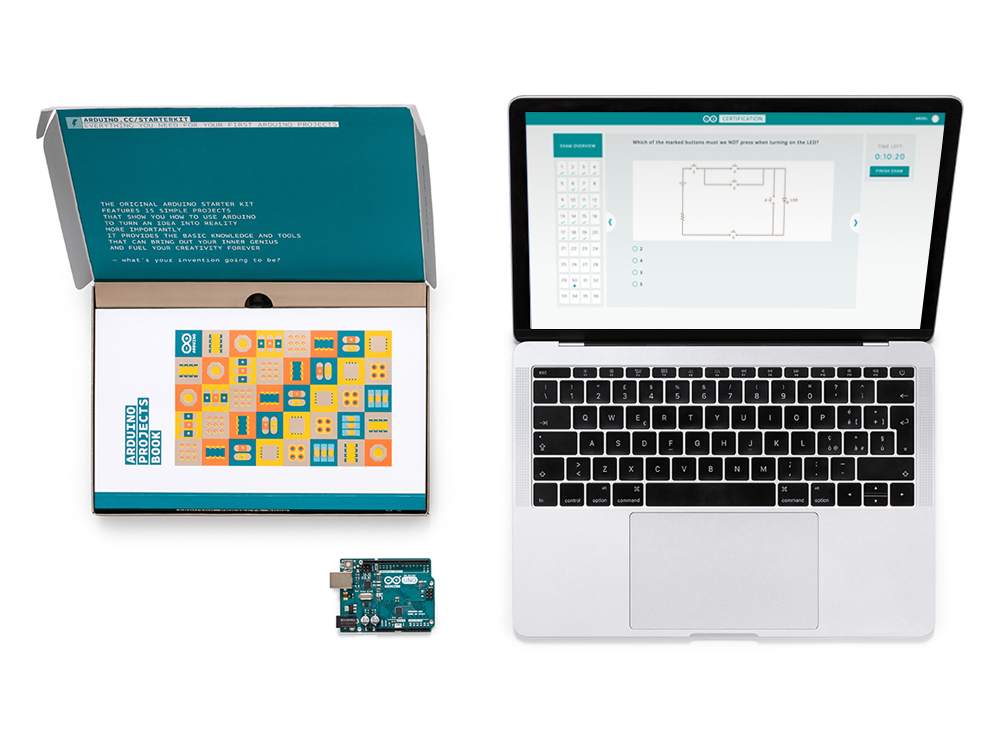
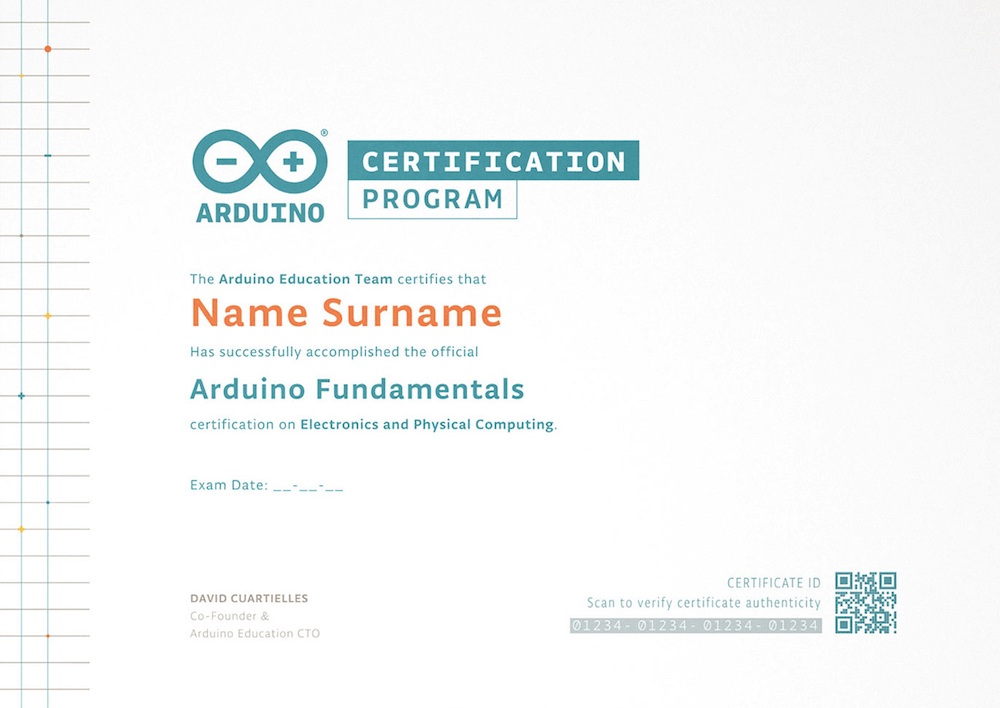
For enthusiasts, the Fundamentals Exam is the first tier in the Arduino Certification Program (ACP), designed to test entrants knowledge in Arduino-related electronics, programming, and physical computing.
The exam is available for everyone interested in officially certifying their skills and knowledge on Arduino, that could, for example, be referred to in a resume for academic or professional purposes.
Get your students, colleagues and friends certified!
The Fundamentals Exam is now also open to schools, academic institutions, universities, and companies that are interested in getting their students and employees officially certified!
The Fundamentals Certification offers the right balance of academic excellence and real world skills to give students the confidence and motivation they need to succeed both in educational and professional environments.
It is a great opportunity for companies who are interested in certifying their employees to refresh and add new skills to their repertoire.
El examen de Certificación Fundamentals, está ahora disponible en Español e Italiano
Para entusiastas, el examen de Certificación Fundamentals, es el primer nivel del Programa de certificación Arduino (ACP), diseñado para evaluar el conocimiento de los participantes en electrónica, programación y computación física relacionadas con Arduino.
El examen está disponible para todos los interesados ??en certificar oficialmente sus habilidades y conocimientos en Arduino, que podrían, por ejemplo, mencionarse en un currículum con fines académicos o profesionales.
¡Certifica a tus estudiantes, colegas y equipo de trabajo!
La certificación también está disponible para escuelas, instituciones académicas, universidades y empresas que estén interesadas en certificar oficialmente a sus estudiantes y equipo de trabajo.
La Certificación Fundamentals ofrece el equilibrio adecuado entre excelencia académica y habilidades del mundo real, para brindar a los estudiantes la confianza y la motivación que necesitan para tener éxito tanto en entornos académicos como profesionales.
También es una gran posibilidad para compañías que están interesadas en certificar a su equipo de trabajo para actualizar y agregar nuevas habilidades a su repertorio.
Siamo lieti di annunciare che l’esame per la certificazione Arduino Fundamentals è da adesso disponibile anche in spagnolo e italiano!
Desideriamo rendere accessibile la Certificazione alle scuole, alle istitutuzioni, università e aziende che siano interessate a certificare ufficialmente i propri studenti e dipendenti! La certificazione Arduino Fundamentals offre il giusto equilibrio fra l’acquisizione di abilità accademiche e lavorative, fornendo agli studenti la sicurezza e la motivazione necessarie per riuscire nel mondo accademico e professionale. E’ inoltre un increndibile possibilità per le aziende interessate ad aggionarne, migliorare e/o accrescere le capacità dei propri dipendenti.
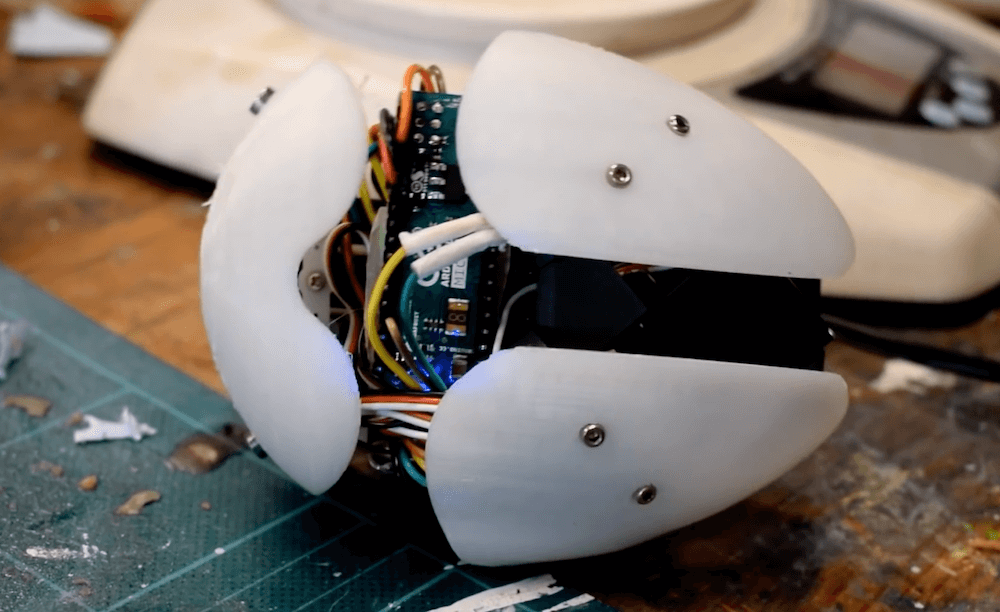
In his latest video, Will Cogley has created an animatronic heart so realistic that you might wonder if it’s the actual thing.
The device is made out of molded silicon with fake blood poured on top to enhance the effect, and inside a trio of servo motors push the lower and upper sections of the prop out in a very lifelike pattern.
Control is via an Arduino Micro along with an I2C servo controller, while power is provided by an external tether. A potentiometer on the back is used to vary heartbeat speed.
He also made a simpler — and less potentially terrifying — version with a cloth exterior. This one is battery-operated and runs on a motor and linkage system, perhaps making it good for a nice portable joke!
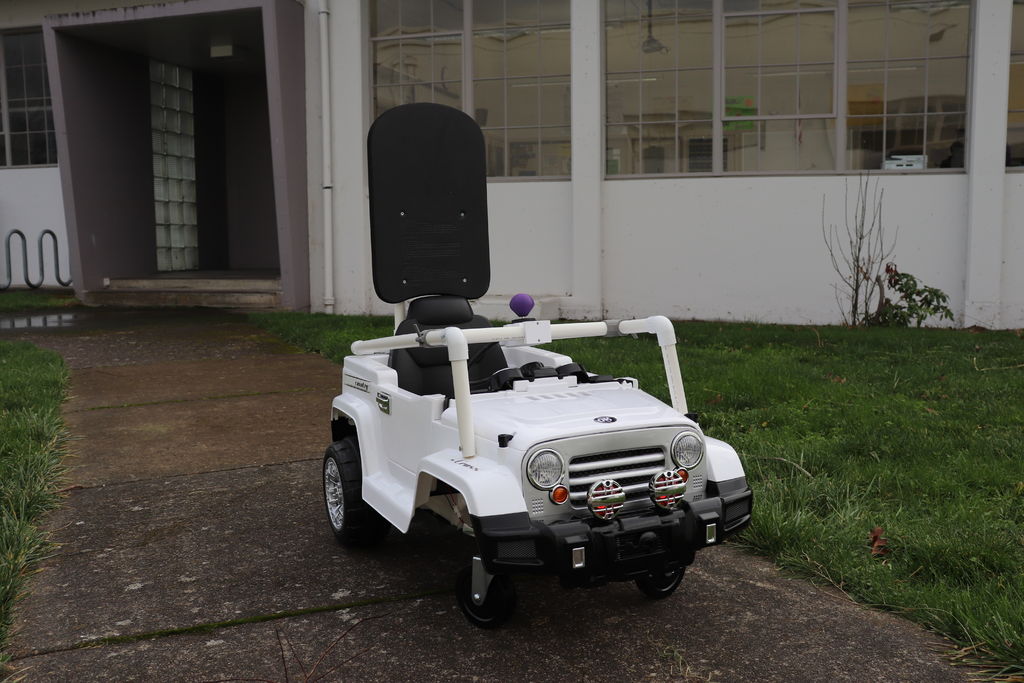
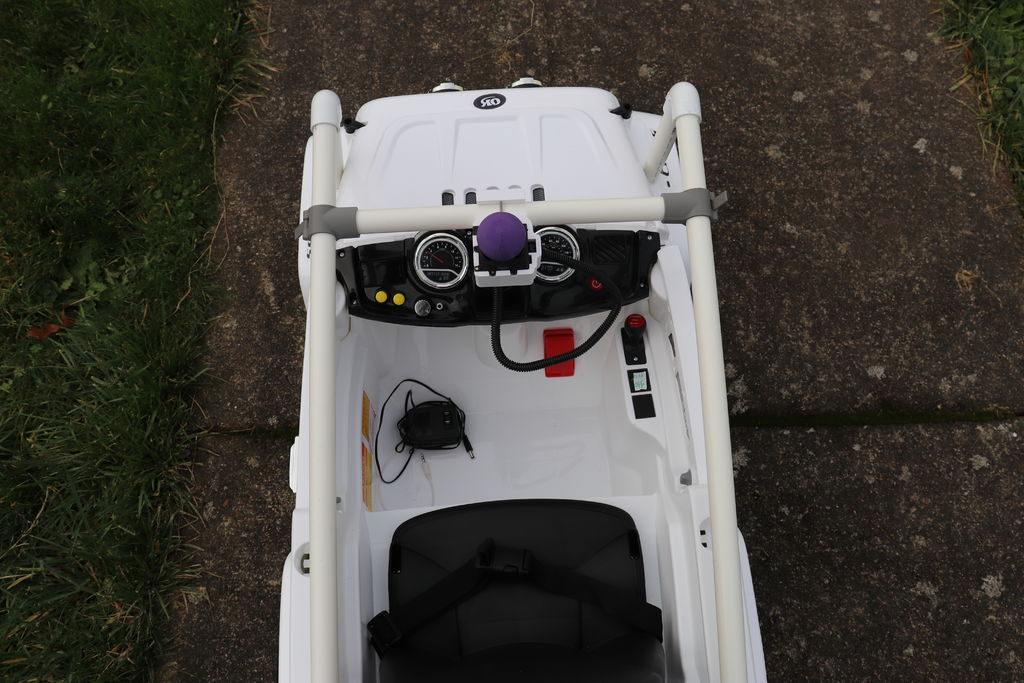
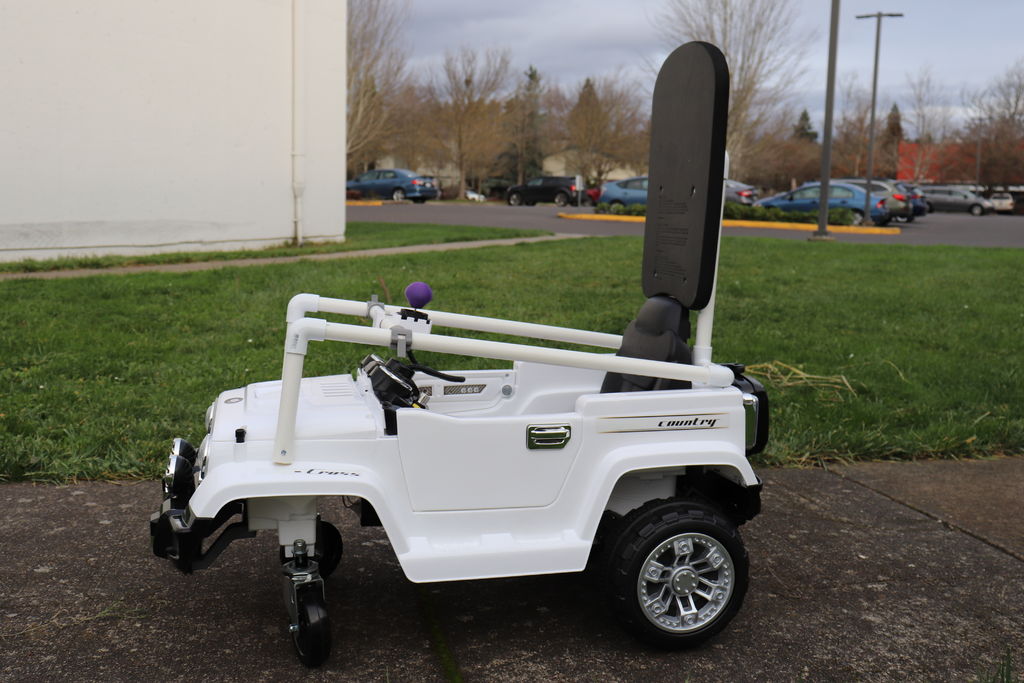
Child-sized wheelchairs can be difficult to come by, and unfortunately aren’t as much fun as something like a ride-on car. The South Eugene Robotics Team, or FRC2521, decided to address both challenges by building a mini Jeep augmented for kids with limited mobility.
Instructions found here detail how to modify the battery-powered toy, including what can be recycled and what extra parts will need to be purchased. In the new configuration, the Jeep’s two rear motors are configured for differential control, with the input regulated by an Arduino Nano and a pair of electronic speed controllers (ESCs).
In this project, a joystick replaces the original pedal and steering wheel, and it looks like a lot of fun when implemented in the similarly-outfitted firetruck below.