Posts with «technology & electronics» label

iRobot's Roomba 694 is on sale for $199, plus the rest of the week's best tech deals

While most of the Prime Early Access Sale deals have come and gone, there are a few sales still thriving on Amazon. Google's Pixel 6a smartphone remains down to one of the best prices we've seen, while one of our favorite budget robot vacuums is close to a record-low price. A number of earbuds from Beats, Jabra and others are still discounted, plus you can still pick up a 48-inch LG OLED TV for less than $700. Here are the best October Prime Day deals that you can still get today.

Roomba 694
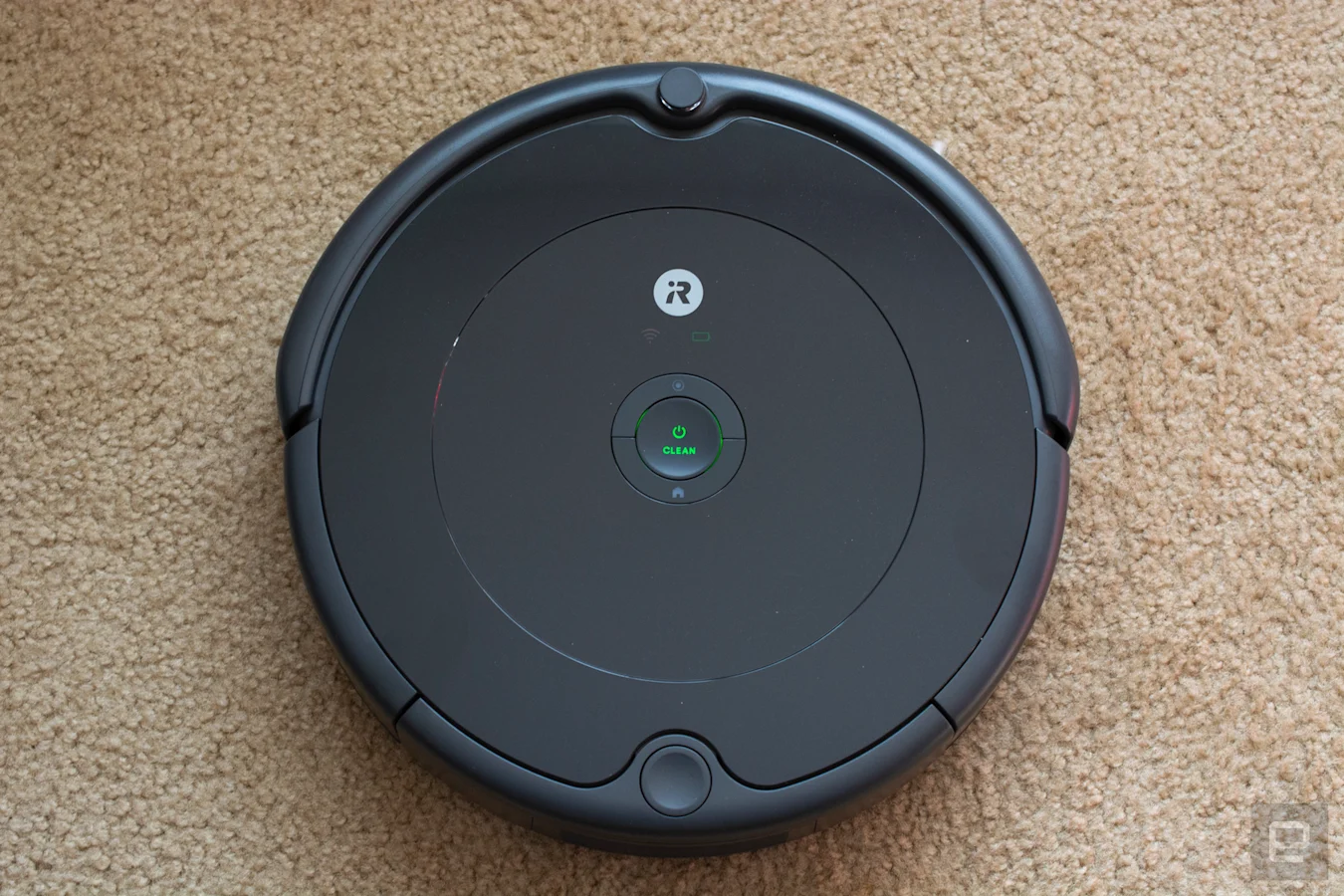
The Roomba 694 is on sale for $199 right now, which is close to its record-low price. It earned a spot in our best budget robot vacuum guide for its strong cleaning power, slick design and easy-to-use mobile app. This deal is part of a larger sale on iRobot machines that has also knocked the Roomba j7+ down to $599 and the high-end s9+ down to $799.

Buy Roomba 694 at Amazon - $199Shop iRobot deals at Amazon

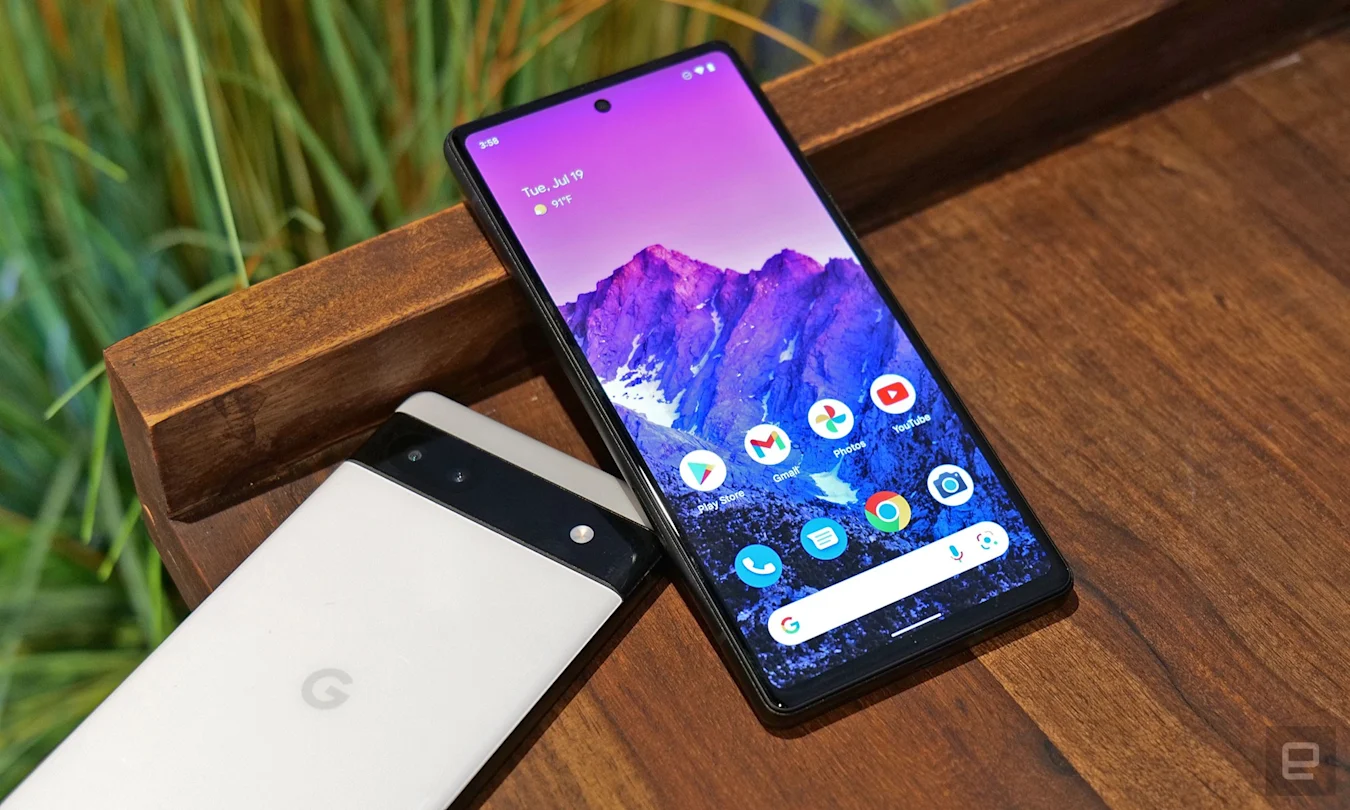
Google Pixel 6a

Amazon has knocked $100 off Google's Pixel 6a, bringing it down $349. We gave the budget-friendly smartphone a score of 89 for its attractive design, great cameras and long battery life.

Buy Pixel 6a at Amazon - $349

Samsung Pro Plus microSD card

Samsung's Pro Plus microSD card in 128GB is only $2 more right now than it was on Prime Day, putting it at $20. It also comes with an adapter, so you can use it with more types of devices. You'll get read/write speeds of up to 160MB/s and 120MB/s, respectively, and a card that's temperature, magnet- and drop-resistant.

Buy Samsung Pro Plus (128GB) at Amazon - $20

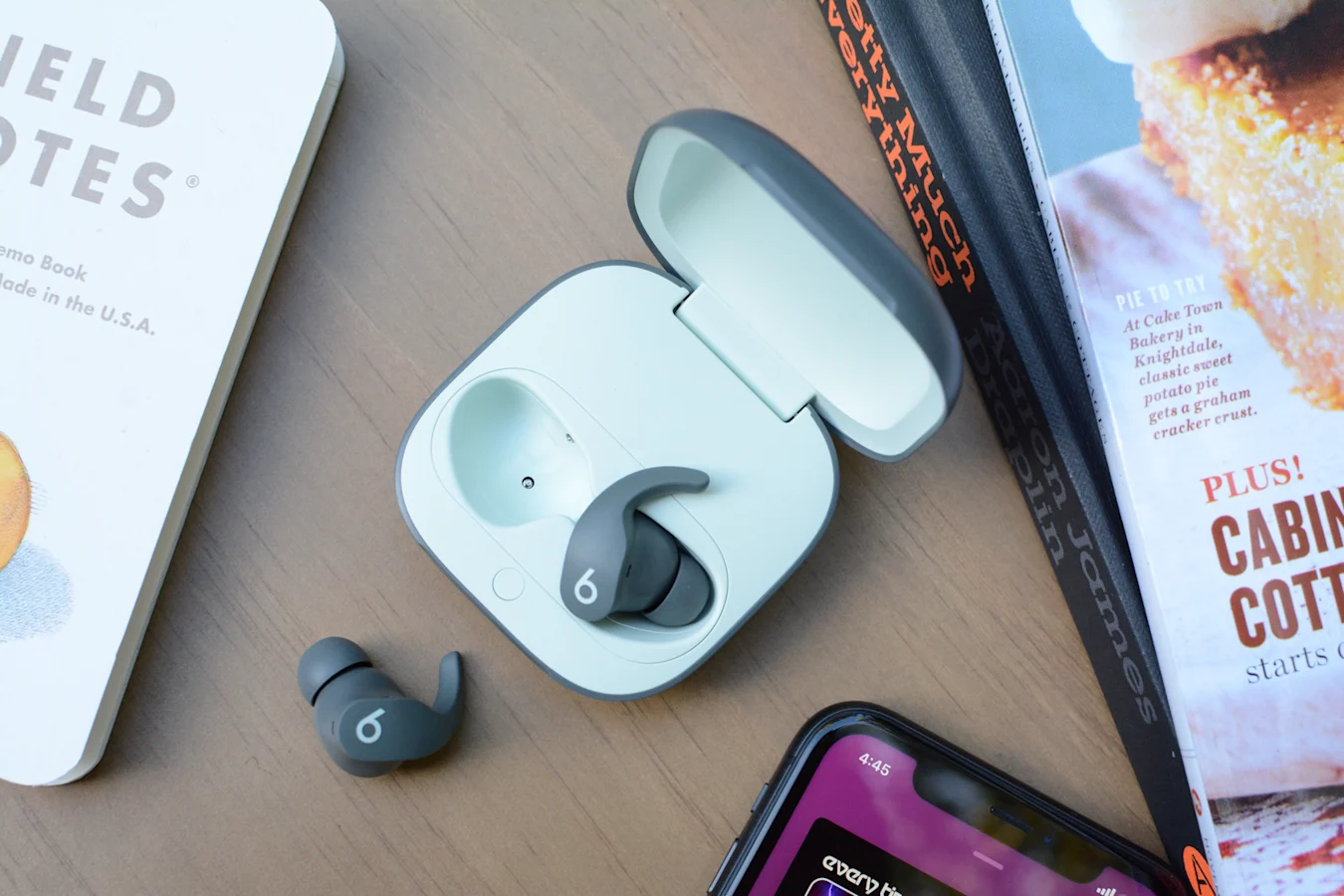
Beats Fit Pro

The Beats Fit Pro are 20 percent off and down to $160 at the moment. We gave them a score of 87 for their comfortable, water-resistant design, good sound quality and ANC and long battery life.

Buy Beats Fit Pro at Amazon - $160

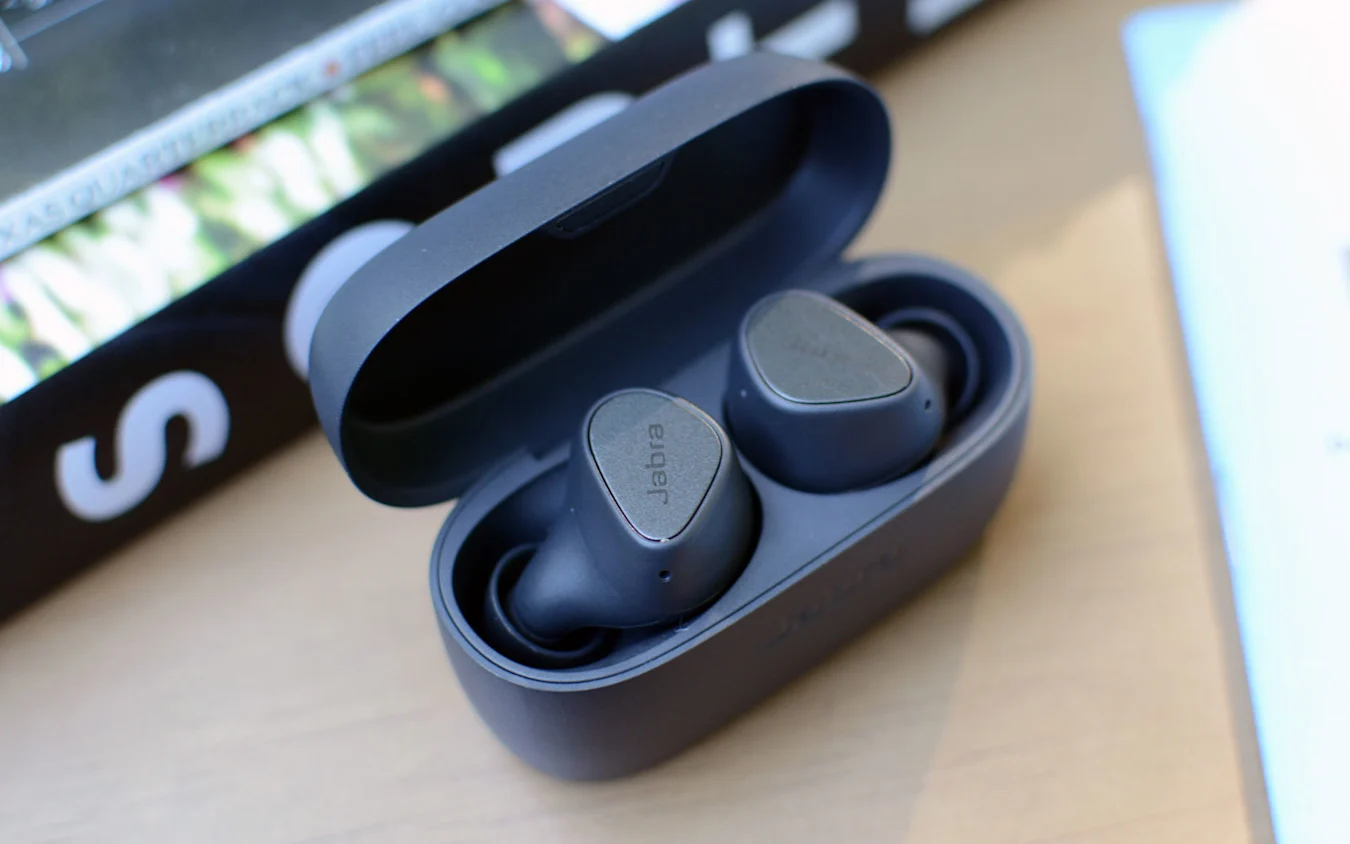
Jabra Elite 3

Jabra's excellent Elite 3 earbuds have dropped to $50, or $30 off their normal rate. These already affordable buds earned a score of 88 from us for their impressive sound quality, good battery life, reliable touch controls and comfortable fit.

Buy Jabra Elite 3 at Amazon - $50

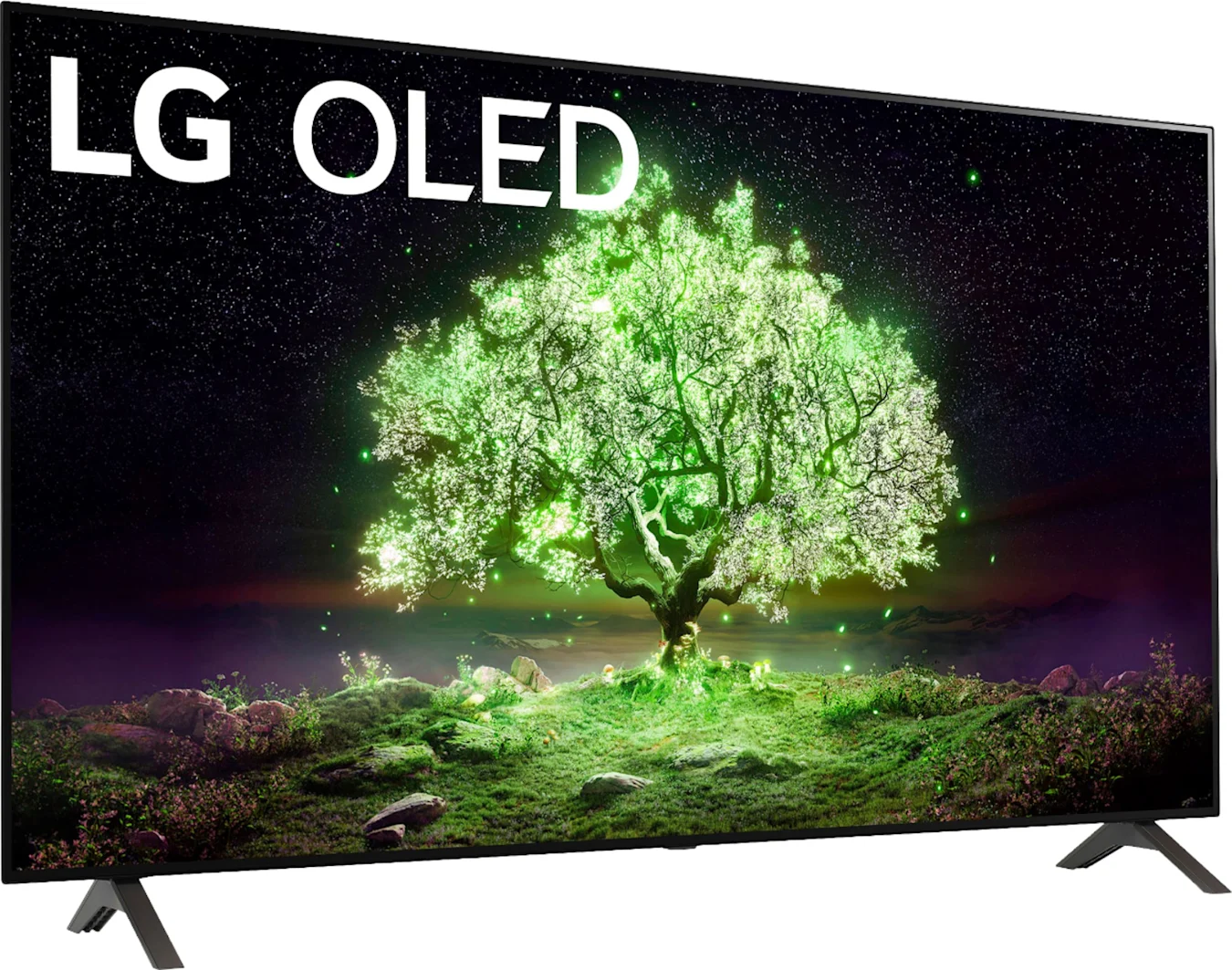
48-inch LG A1 OLED

LG's 48-inch A1 OLED smart TV is cheaper than ever at $647 right now. This is one of the company's more affordable OLED sets and it runs on LG's a7 Gen 4 AI Processor 4K and supports Dolby Vision, HDR10, Game Optimizer and voice controls with Alexa and the Google Assistant.

Buy 48-inch LG A1 OLED at Amazon - $647

Echo Show 5

The Echo Show 5 is on sale for $40, or a little more than half off its usual price. If you want a smart alarm clock, this is the smart display to get. We like its sharp 5-inch display, ambient light sensor, smart home controls and tap-to-snooze feature.

Buy Echo Show 5 at Amazon - $40

Google Nest Thermostat

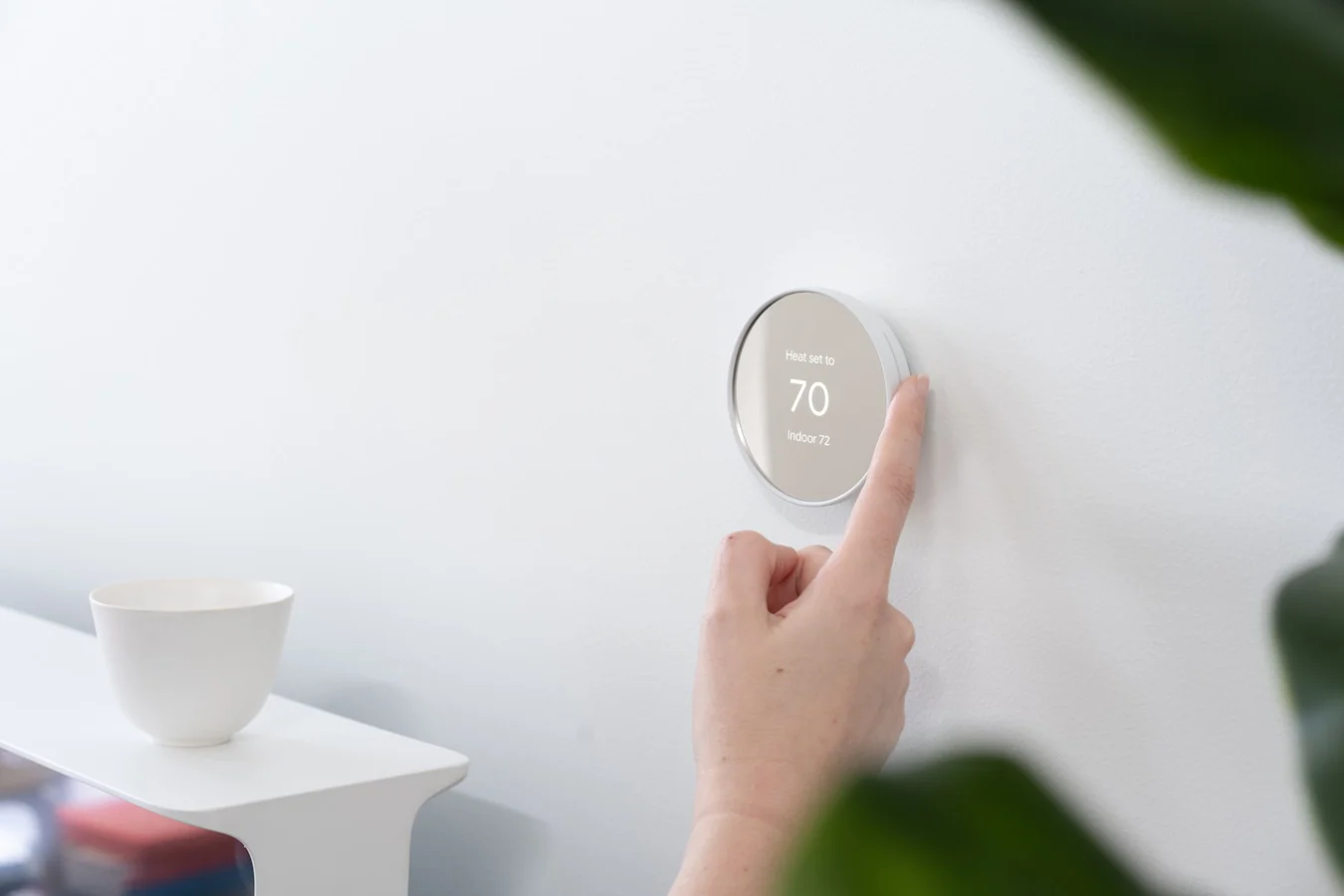
The Google Nest Thermostat is back on sale for $107 right now, which is close to its all-time low. It's an Energy Star-certified device that intelligently monitors the temperature in your home and suggests ways you can save money on energy usage. You can also control it from your phone, changing your home's environment from anywhere at any time.

Buy Google Nest Thermostat at Amazon - $107

Follow @EngadgetDeals on Twitter and subscribe to the Engadget Deals newsletter for the latest tech deals and buying advice.

Apple's mixed reality headset reportedly uses iris scanning for payments and sign-ins

Apple's long-rumored AR/VR headset may have a few extra tricks. The Information's sources claim the mixed reality hardware will use iris scanning for signing in and making payments. This would make it easier to buy apps and could even simplify multi-user support, according to the tipsters. Apple has declined to comment, but it reportedly bought eye-tracking glasses creator SensoMotorics in 2017 with the headset in mind. Analyst Ming-Chi Kuo also said in 2021 that Primax would supply the eye tracking modules, and that they support iris detection.

The headset might also have a few advantages over Meta's just-announced Quest Pro. Two of the previously claimed 14 cameras will supposedly track your legs, giving it an advantage in full-body tracking versus the 10-camera Meta device (which doesn't have leg-focused cams). The goggle-like design's combination of aluminum, fabric and glass is also said to be lighter than the 1.6-pound Quest Pro, although the tipsters didn't say by how much.

Past rumors also hinted at other premium features, including very high-resolution displays, detailed face expression tracking and even a way to magnetically clip on custom prescription lenses. The headset might be powered by the M2 chip in recent Macs, but could use a low display refresh rate to extend battery life at the expense of a more natural-feeling experience.

Numerous reported leaks have pointed to a headset launch sometime in 2023. The question is whether or not any final product will be accessible. More than one rumor has floated a price tag as high as $3,000. You might get more features than the $1,500 Quest Pro, but you'd also pay for them. Even more so than with Meta's hardware, that pricing could limit the initial Apple headset's audience to developers and other pro creators.

The Morning After: Netflix with ads launches on November 3rd

Netflix's ad-supported tier finally has a release date. The new Basic with Ads plan will be available November 3rd from 12 PM ET for $7 per month. It launches in 12 countries: the US, UK, Australia, Brazil, Canada, France, Germany, Italy, Japan, Mexico, South Korea and Spain.

The ads will run for an average of four to five minutes per hour, and you'll be limited to 720p/HD resolution. That’s not the only limitation: Licensing will also prevent you from watching certain movies and TV shows on the ad plan.

While we don’t know what kinds of ads you’ll get, we do know they’ll initially be 15- to 30-second spots and will play both before and during shows. There’ll be "broad" targeting for those ads based on criteria like your country and the content genres you watch.

That list of caveats might stop existing Netflix subscribers from downgrading (the Basic plan starts at $10), but it could convince folks with other video subscriptions – or a lapsed Netflix sub – to start paying again.

– Mat Smith

The biggest stories you might have missed

Microsoft Office is dead. Long live Microsoft 365

Because it’s more than just Word and Excel.

Back in 2020, Microsoft announced it would change the name of its Office 365 subscription to Microsoft 365, acknowledging it had become more than just a work app. Now, it's removing most of the remaining Office branding. "In the coming months, Office.com, the Office mobile app and the Office app for Windows will become the Microsoft 365 app, with a new icon, a new look and even more features," an FAQ says.

Continue reading.

Sony and Honda will open pre-orders for their first EV in 2025

Their joint company aims to make the first deliveries in the US by 2026.

Sony and Honda have announced they’ll open pre-orders for their first electric vehicle model in the first half of 2025. Their joint venture, Sony Honda Mobility Inc., hopes to begin deliveries in the US by spring 2026. The companies didn't give us a glimpse of the vehicle they're working on during the event, and they didn't mention anything about its pricing or its battery technology and range. They did say, however, they're planning to focus on online sales, like Tesla.

Continue reading.

Microsoft accuses UK regulator of adopting Sony's complaints in Activision probe

The regulator focused on ‘Call of Duty.’

Activision Blizzard

Microsoft's $68.7 billion purchase of Activision Blizzard will have to gain approval from various regulators around the world before the deal can go through, including the UK's Competition and Markets Authority (CMA). The CMA has recommended a more in-depth inquiry. Shortly after the CMA published its decision, Microsoft accused the regulator of relying "on self-serving statements by Sony." In a response it shared with Ars Technica, the tech giant said the CMA's decision was rooted in the concern that Activision's catalog of games, specifically the Call of Duty franchise, will allow Xbox to "foreclose its competitors." Microsoft called that concern "misplaced."

Continue reading.

Sony's ZV-1F is its most affordable vlogging camera yet

At $500, it's designed as a smartphone step-up cam.

Sony

Sony has unveiled the ZV-1F, its third and most affordable vlogging camera. At just $500, it's slotted below the $700 ZV-1 compact, with a Type-1 Exmor 20.1-megapixel sensor, 4K video and a raft of Sony camera features. Those include the "product showcase" feature, which lets you place a product in front of the camera to quickly get focus and background defocus, for quick-and-easy bokeh backgrounds. And a new Shot Mark feature lets you grab a 15-, 30- or 60-second clip and send it to a smartphone. The camera arrives on October 24th.

Continue reading.

The best smart light bulbs for 2022

Ditch the dumb bulbs for ones you can control from anywhere.

One of the best places to start when building a smart home ecosystem is smart light bulbs. Not only are they relatively affordable compared to other IoT gadgets, often costing between $10 and $50 a bulb, but they can also completely change the feel of your home. And there are now more players in smart lighting than ever before. Here are our top picks.

Continue reading.

Framework is selling refurbished versions of its modular laptops

Framework, which make modular, easy-to-repair laptops with the idea of reducing e-waste, is now selling refurbished models. They come from "the small number of returns we get from our 30-day return guarantee," and promise a like-new laptop with decent specs, a full guarantee and a discount from all-new models. The company is also selling refurbished version of its expansions packs (USB-C, USB-A, HDMI, etc.)

The returns go through a detailed testing process, and the company replaces any parts that fail to meet its specifications. They're then tested to confirm functionality and cleaned. There are what Framework calls "cosmetic limitations," but the company has set "pretty stringent" limits for the initial set of refurbed laptops.

Framework

The cheapest refurbished model available has an Intel Core i5-1135G7 processor for $600, without memory, storage, WiFi, a power adapter, the OS and expansion cards. In comparison, the same model new costs $680. With 16GB of DDR4-3200 RAM, 1TB of storage, WiFi, a power adapter and a refurbished expansion card pack (2 USB-C, 1 USB-A and 1 HDMI), you're looking at $905 in total — not bad for a decently equipped laptop that's easy to repair and upgrade. The other options are a Core i7-1165G7 model for $800 and a Core i7-1185G7 model for $1,069.

Allowing the sale of previously purchased devices is part of the company's pledge to "remake consumer electronics to respect people and the planet," while letting buyers contribute to the circular economy. The refurbished program is only available in Canada and the US so far — it hasn't received enough returns to launch the program in Europe yet.

Framework has always said that it wants to sell PCs to compete with models like the Surface Laptop or Dell XPS 13, and spec-wise, its latest 12th-generation Intel models are at least competitive. And so far, the company has offered mainboard updates you can install yourself, should you desire more performance down the road. In any case, most buyers will likely be just as interested in playing a part in reducing e-waste, and the refurbished models give Framework another way to do that.

Apple slapped with a $19 million fine in Brazil for not selling iPhones with a charger

Apple keeps on losing court battles in Brazil over its decision to stop shipping iPhones with a charger. The São Paulo state court has ruled against the tech giant and slapped it with a 100 million real ($19 million) fine in a lawsuit filed by the Brazilian Consumers' Association, a group of borrowers, consumers and taxpayers. In addition, the court has ordered Apple to supply all customers in Brazil who purchased the iPhone 12 or 13 over the past couple of years with a charger, as well as to start including them with all new purchases. Apple, as you'd expect, told the news organization that it will appeal the decision. 

According to Barron's, the judge in charge of the case called the non-inclusion of chargers in phone purchases an "abusive practice" that "requires consumers to purchase a second product in order for the first to work." Apple has been at odds with Brazilian authorities over the issue for a while now. In 2021, São Paulo consumer protection agency Procon-SP fined Apple around $2 million for removing the power adapter from the iPhone 12, telling the company that it was in violation of Brazil's Consumer Defense Code.

This September, the country's Ministry of Justice issued an order that bans Apple from selling iPhones that don't come with a charger. It also fined the company another $2.38 million and ordered the cancelation of iPhone 12's registration with Brazil's national telecoms agency. The tech giant is also appealing that decision. 

Apple stopped bundling its iPhones with power adapters back in 2020 with the release of iPhone 12. The company cited environmental concerns for removing chargers with every purchase of the device and claimed that the decision will save 861,000 tons of copper, zinc and tin. The Brazilian Ministry of Justice remained unmoved by that reasoning, telling Apple that it could help the environment in other ways, such as giving its devices USB-C support. In Europe, Apple has a couple of years to do just that after the European Parliament voted to make USB-C the common charging standard in the EU. Mobile devices like the iPhone sold in the region will have to come with USB-C charging posts by the end of 2024.

Google will soon test Project Starline video chat booths in the real world

Google's elaborate video chat booths will soon exist as more than just a clever design exercise. Ars Technicareports the company will start installing Project Starline prototypes in some of its corporate partners' offices for "regular" tests later this year. In other words, Google will see how its "magic windows" work beyond on-campus demos.

Program partners include Salesforce, T-Mobile and WeWork, among others. The in-house demos have included over 100 companies spread across healthcare, media and retailers.

Project Starline is effectively a bid to create a natural-feeling telepresence system. Each participant sits in a booth with an array of cameras and infrared projectors that create a realistic 3D depiction, with spatial audio capture making it seem as if the voice is coming from that digital persona's mouth. Combined with head tracking and a 65-inch, 8K glasses-free display, the system makes it seem as if the other person is sitting in front of you. This theoretically leads to more effortless meetings than you'd get by staring at a computer monitor with a webcam.

The question, of course, is whether or not the early access program will lead to installations at your employer's boardroom or the local store. While Google hasn't outlined the cost of a Project Starline booth, the technology is inherently expensive and consumes a lot of space. Smaller businesses might have trouble justifying this when off-the-shelf computers may be good enough. The timing is also less than ideal. While remote and hybrid work have taken off, Starline is coming right as more people are comfortable returning to in-person interaction. The audience for the tech isn't nearly as large as it might have been a year ago, and we wouldn't count on it getting bigger.

Samsung's One UI 5 update is largely about personalization

Samsung has revealed more details about One UI 5, the updated user interface it will begin rolling out to devices later this month. Galaxy S22-series devices will be the first to get the update. The company is placing an even bigger focus on personalization, including on the lock screen. You'll be able to select up to 15 photos and videos for the lock screen, with a different one appearing each time you turn on the display.

Alternatively, you can let Samsung handle the dynamic lock screen with a selection of curated images — you'll see a different one each time. You can choose up to five image categories (such as dogs, cats, animals, landscapes and plants) and Samsung will refresh the collections every two weeks. You'll also be able to tweak the wallpaper, clock style and notification pop-ups on the lock screen. Expect more color palette options to change the device-wide look of the UI and more customizable faces for Galaxy Watches.

Samsung

Samsung says it has redesigned notifications to make them more intuitive and easier to parse with a glance. There's the promise of improved widget stacking on the home screen too. One UI 5 will also have "more defined answer and decline buttons" when you see the pop-up call display.

Speaking of calls, there's a new feature called Bixby Text Call. You'll be able to answer a call by typing a message and Bixby can read this to the caller. The voice assistant can convert what the caller says into text as well. This could come in handy if you're in a noisy environment and wouldn't be able to hear what the other person is saying. Bixby Text Call became available in Korean as part of One UI 4.1.1. An English version will arrive in early 2023.

One UI 5 will place an onus on modes and routines too. With routines, you can trigger several actions on your device based on your activities (such as starting a certain playlist when you leave home). In addition, you can have modes with custom settings for certain situations, such as when you're sleeping, relaxing or working out. In relax mode, you might mute notifications so you can focus on watching a video or playing a game. And when it's time for bed, perhaps turning off all sounds and reducing the screen brightness will do the trick.

Samsung

At the Samsung Developer Conference keynote, Sally Hyesoon Jeong said that your device will ask a series of simple questions to help you set modes up as you see fit. The company plans to launch modes on more devices (namely watches and tablets) in the near future

Elsewhere, Samsung is merging the "biometrics and security" and "privacy" settings from One UI 4 into a single security and privacy menu. You'll be alerted to potential security issues and see possible solutions all on one screen.

You'll see a new warning on the share panel if your phone believes you're about to share an image that includes sensitive information, such as a photo of your credit card, driver’s license, Social Security card or passport. When it comes to IDs, Samsung noted that availability may vary depending on the language. At least for now, this feature will only be available when you set your system language to English (US) or Korean.

On the health front, Samsung worked with Google on a platform called Health Connect, a single set of APIs that should enable Android developers to create "richer health experiences," Jeong said. There will be centralized privacy controls that will still enable you to sync data between various health and fitness apps.

As a result of Samsung's partnership with Microsoft, when you set up a new Windows PC, you can use a QR code to link it to your phone. This will automatically add your mobile hotspot to your PC WiFi options. Jeong suggested that One UI 5 will deliver improved continuity across apps. You can switch from PowerPoint on phones to the desktop app and continue from where you left off, for instance. There are plans to enable similar features for non-Microsoft apps soon. Also on the productivity front, the Z Fold 4's redesigned taskbar is coming to other Z Fold and Tab S8 devices as part of the Android 12L update. Moreover, you'll be able to copy text from images and paste it elsewhere.

A new connected devices menu will include interoperability options for the likes of Quick Share, Smart View and Samsung DeX. Finally, you can expect easier access to a menu that will help you switch your Galaxy Buds from one device to another.

Samsung Wallet payments and passes are coming to 13 more countries this year

Samsung's unified Wallet app will soon be available to many more people. The company says it will roll out Wallet to 13 more countries by the end of 2022. Most are in Europe, Scandinavia and western Asia, including Denmark, Finland, Kazakhstan, Norway, Sweden and Switzerland. The functionality will also be available in key parts of the Middle East (Bahrain, Kuwait, Oman, Qatar and UAE) as well as South Africa and Vietnam.

Wallet initially launched in just six countries, including the US, UK, France, Germany, Italy and Spain. While the expansion still leaves much of the planet untouched, it makes Wallet considerably more commonplace and brings it to new continents.

As elsewhere, Wallet effectively merges Samsung's Pay and Pass apps. You can use it to make payments with bank cards, of course, but it can also store content like IDs, boarding passes and digital car keys. On top of the usual data protection, the software stores the most sensitive data in "isolated" conditions to prevent hacks. It's not much different than Apple's equivalent in that regard, but that still makes it very helpful if you want a do-it-all wallet on your Galaxy phone.

Signal is winding down plaintext SMS support in its Android app

Signal is removing the option to send and receive SMS messages in its Android app. Folks who currently use Signal as their default SMS app will receive alerts advising them to switch to a different one. You'll be able to export your SMS messages and import them into another app (as long as the other one supports that option).

The change won't happen overnight. "You will have several months to transition away from SMS in Signal, to export your SMS messages to another app, and to let the people you talk to know that they might want to switch to Signal or find another channel if not," Signal wrote in a blog post.

Signal said it included SMS support in the first place to make it easier to use — you wouldn't have to convince friends to start using Signal before exchanging messages with them from the app. While the move may be inconvenient for those who have been using Signal for the bulk of their messaging, the company spelled out some practical reasons for the change.

For one thing, SMS messages don't have end-to-end encryption. Also, given the shifting prices of data and text plans over the years, it may actually be more expensive to send an SMS message than a Signal one these days. "We’ve heard repeatedly from people who’ve been hit with high messaging fees after assuming that the SMS messages they were sending were Signal messages, only to find out that they were using SMS, and being charged by their telecom provider," Signal's blog post reads. "This is a terrible experience with real consequences."

The third reason Signal gave is that it wants to avoid folks getting confused between SMS and Signal messages in the app. It said that making these distinct has "serious UX and design implications." Furthermore, Signal said dropping SMS support will free up resources to work on other projects and features.

It made the decision following a data breach at its verification partner Twillio. Signal said the incident exposed around 1,900 of its users' phone numbers and SMS codes. It's unclear whether the call to end SMS support is directly connected to the breach.

Sony's ZV-1F is its most affordable vlogging camera yet

Sony has unveiled the ZV-1F, its third and most affordable vlogging camera, designed for creators as a "step up" from smartphones. Priced at just $500, it's slotted below the $700 ZV-1 compact and $750 mirrorless ZV-E10 (with a kit lens), and has a Type-1 Exmor 20.1-megapixel sensor, 4K video, and features that help novice users get up to speed quickly. 

While using a similar Type-1 sensor to the ZV-1, it trades that models 24-70mm zoom for a wide-angle, 20mm equivalent prime lens. That extra field of view, plus the fully-articulating display, could actually make it better for vlogging or selfies than the ZV-1 — allowing folks to better fit themselves into the frame. 

Sony

However, it also makes it less versatile for shooting products, other people and so on, though you can do a digital zoom of 2x in 1080p and about 1.5x in 4K. It has no built-in stabilization, instead relying on electronic stabilization that imposes a 1.23x crop, making the 20mm lens about 25mm. 

You can shoot 4K at up to 30 fps, the same as the ZV-1, and 1080p at up to an impressive 120fps (with 8-bit video in all modes). That's done by the "slow and quick" setting, which also supports 60x hyperlapse capture in HD. However, unlike most other Sony models, the ZV-1F has contrast-detect only autofocus, rather than phase detect that's generally faster and more accurate. 

Sony

Like the other vlogging models, the ZV-1F has a "product showcase" feature that lets you place a product in front of the camera and quickly get focus. It also has the same bokeh switch that lets you defocus the background with the click of a button. A nod to TikTok or Snapchat creators is the Shot Mark feature that lets you grab a 15-, 30- or 60-second clip and send it to a smartphone through Sony's app. 

On the audio side, it has a directional microphone that offers good-quality sound, with forward bias that isolates your voice, even outdoors. It also includes a removable "deadcat" to reduce wind noise. 

Other features include a single UHS-1 slot, an ISO range of 125 to 12,800, vertical shooting, and a front facing tally light that shows when you're recording. Sony says it weighs just 256 grams, just a bit more than the 203 gram iPhone 14. It arrives on October 24th for $500.